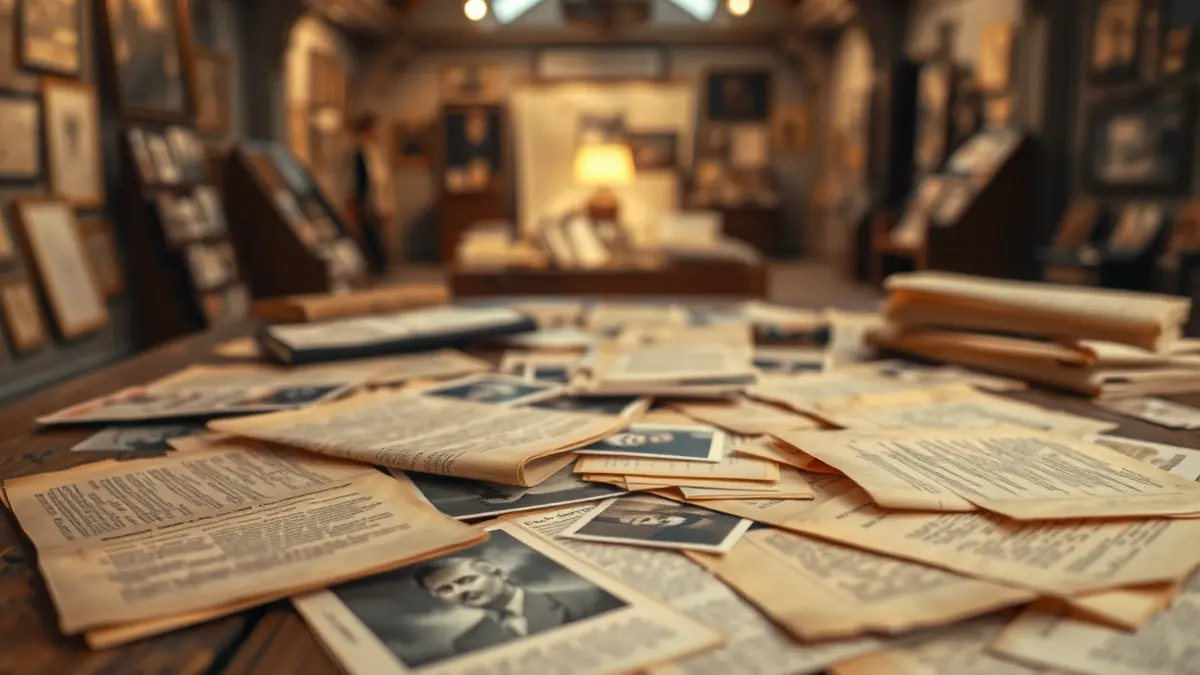
The exhibition, curated by Maribel Acosta, uses photographs, documents, videos, and sound to reconstruct the health program that Cuba developed between 1990 and 2011. This program assisted over 26,000 children, mostly from Ukraine, Belarus, Russia, and Moldova, who suffered the consequences of the Chernobyl nuclear accident.
The accident, which occurred on April 26, 1986, released a radioactive cloud that spread across much of Europe. The consequences lingered for years in the children's bodies, manifesting as thyroid diseases, cancers, skin conditions, and immunological disorders.
“"After Chernobyl, there was a generation that grew up not only with toys but also with diagnoses."
From 1990, amidst the economic crisis known as the “Special Period,” Cuba launched a health program that brought thousands of these minors to the island. There, they received free medical treatment and prolonged follow-up at the Tarará resort, on the outskirts of Havana. Many arrived without knowing the language or the place, and participated in daily activities and coexistence spaces to address the emotional impact.
The exhibition stems from research driven by artist Sonia Cunliffe and journalist Maribel Acosta, who for years tracked archives, testimonies, and documents. The project seeks to reconstruct the facts and the layers of meaning surrounding them, highlighting solidarity and human love. Testimonies from doctors and translators, known as “soul doctors,” reveal a program that went beyond clinical treatment, incorporating psychological and social dimensions.
The sound component, with the piece Liusia's Lament by composer Jorge Antonio Fernández Acosta, accompanies visitors and refers to the stories collected by Svetlana Alexievich in Voices from Chernobyl. The exhibition prompts reflection on how we manage these stories in the present, reminding us that behind every statistic, there are always concrete lives.