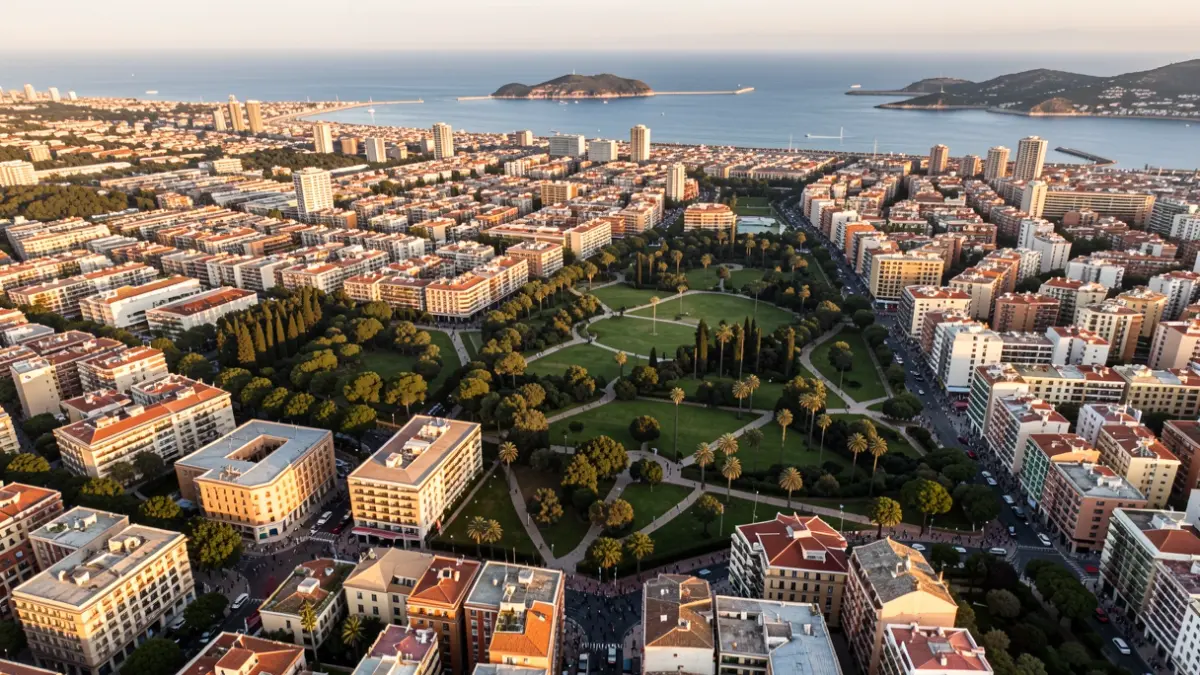

The Valencian capital appears in literature in many ways, either as a main setting or as a backdrop for stories. It is always there, immobile yet changing, marked by different eras and urban transformations. It is a city that can mutate but remains recognizable to its inhabitants, even through fiction.
“"It's the city I know, I can't describe another place."
Coinciding with the celebration of the Valencia Book Fair, taking place from April 30 to May 10, this article compiles twelve titles where the city has a significant presence, forming a living part of the narrative.
Among the highlighted works is Noruega by Rafa Lahuerta, winner of the Lletraferit Prize, which portrays a Valencia of the eighties and nineties through the memory of its protagonist. Also, Totes les cançons parlen de tu by Xavi Sarrià, which sets the action in the Valencia of the nineties, with its neighborhoods and music as central elements.
Carnívora by Jordi Colonques, XXX Enric Valor Prize for Novel in Valencian, presents a dystopia where the city is affected by a health crisis and the collapse of services. Jordi Colonques constructs a recognizable Valencia where the institutional response is late and chaos spreads amidst fear and misinformation.
Other titles such as Narcís o l’onanisme by Carles Fenollosa, No hi havia a València… by Mercè Climent, El Violeta by Juan Sepúlveda and Antonio Mercero, and El jo que no mor by Ferran Torrent, continue to explore the city from different perspectives, from the Fallas to Francoist repression or the Valencia of the sixties.
The list is completed with Càndid by Miquel Nadal, which traces the city's evolution since 1865; La letra herida by Sergio Hernández, a thriller set in early 20th-century Valencia; El diari de Laia, also by Sergio Hernández, which depicts teenage Valencia; Aigua en cistella by Carme Miquel, set in post-war Valencia; and Regreso al Edén by Paco Roca, which also addresses the memory of post-war Valencia.