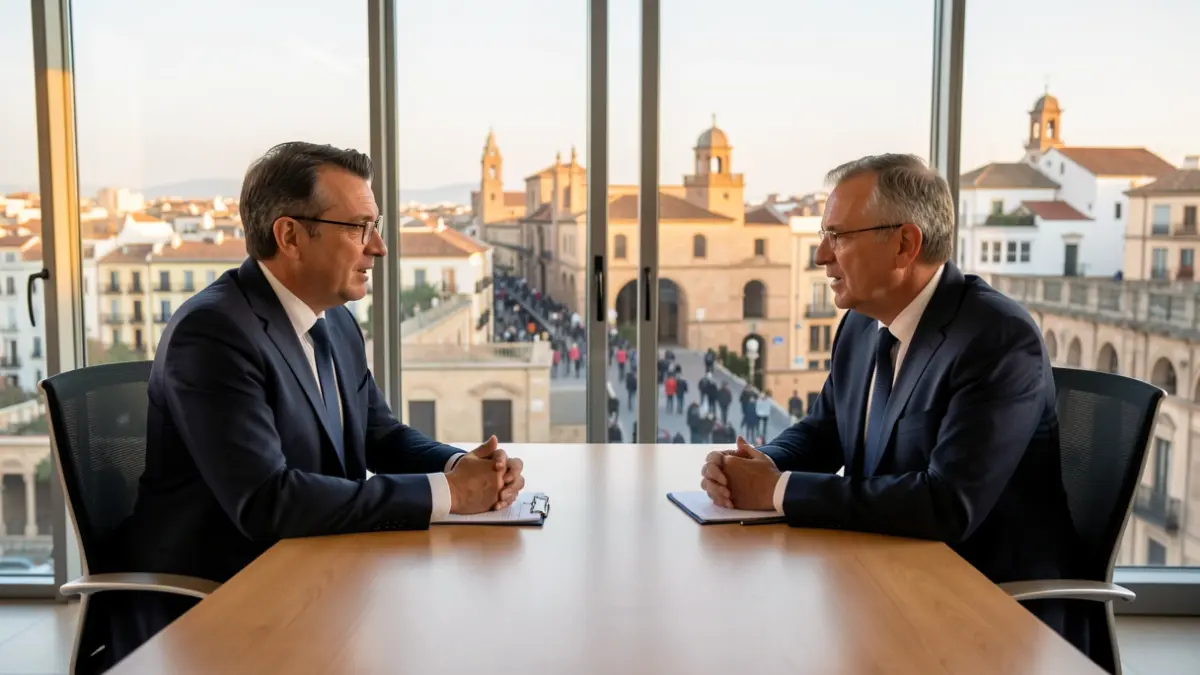
The meeting, held this Friday, has brought to the table the idea of forging closer collaboration formulas between parties like ERC and Compromís, which share ideological affinities and similar positions on numerous political and social issues. In a context marked by electoral fragmentation, the search for unity presents itself as an attractive strategy, although its materialization is complex due to differing political sensitivities.
The encounter has drawn attention for the political image it projects. Gabriel Rufián, who entered national politics with a temporary intention, continues to be a prominent ERC figure in Congress. The fact that the spokesperson for an independence party participates in initiatives to articulate broader political spaces at the national level opens a debate about his trajectory.
In Mónica Oltra's case, the discussion centers on her judicial situation and the potential political consequences of her return to the forefront. Her figure is still linked to the investigation into the alleged cover-up of sexual abuse when she held the Ministry of Equality, an event that led to her resignation as Vice President of the Consell.
Oltra's assumption of responsibilities opens a debate on political coherence and the standards of accountability for leaders. For years, she firmly defended the need to take responsibility in the face of judicial investigations, criticizing other leaders in similar situations. The question arises whether the same standards of political responsibility should apply to everyone.
The judicial outcome for Oltra, whether acquittal or conviction, will have political consequences. If acquitted, she could reinforce her political standing by arguing she took responsibility preemptively. If the outcome is different, the implications could be significant. Judicial timelines, often slow, contrast with political rhythms, especially with regional and municipal elections on the horizon.