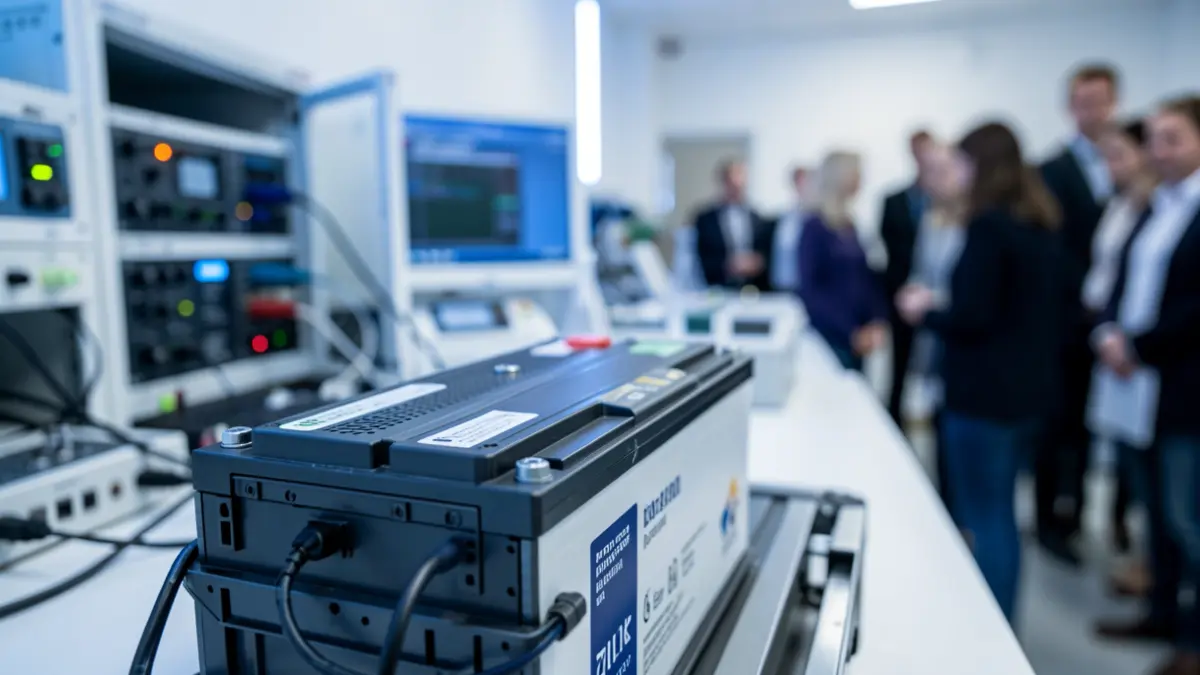
The new system, called AVL Thermos, consists of a flexible and scalable calorimeter that allows for advanced testing on next-generation batteries. This project is the result of over two years of collaboration between the Spanish subsidiary of the multinational AVL Mobility and the CMT-Clean Mobility & Thermofluids Institute at UPV.
The main goal of this technology is to address the need to analyze high-energy-density batteries quickly and safely. According to the project leaders, the equipment allows for the simultaneous characterization of various physical phenomena affecting battery behavior, resulting in greater precision and safety during operation.
“"The most important thing is that it gives us the keys to know how to prevent them."
Safety is one of the greatest challenges in current electric mobility. As vehicle range increases, so does the risk of thermal runaway, a chain reaction that can lead to fires or explosions. The presented system allows for the reproduction and monitoring of these phenomena under controlled conditions to better understand their evolution.
The presentation took place during the AVL Thermos Tech Day, a conference held in Valencia where international specialists discussed thermal management and the necessary balance between performance and material safety under extreme conditions.