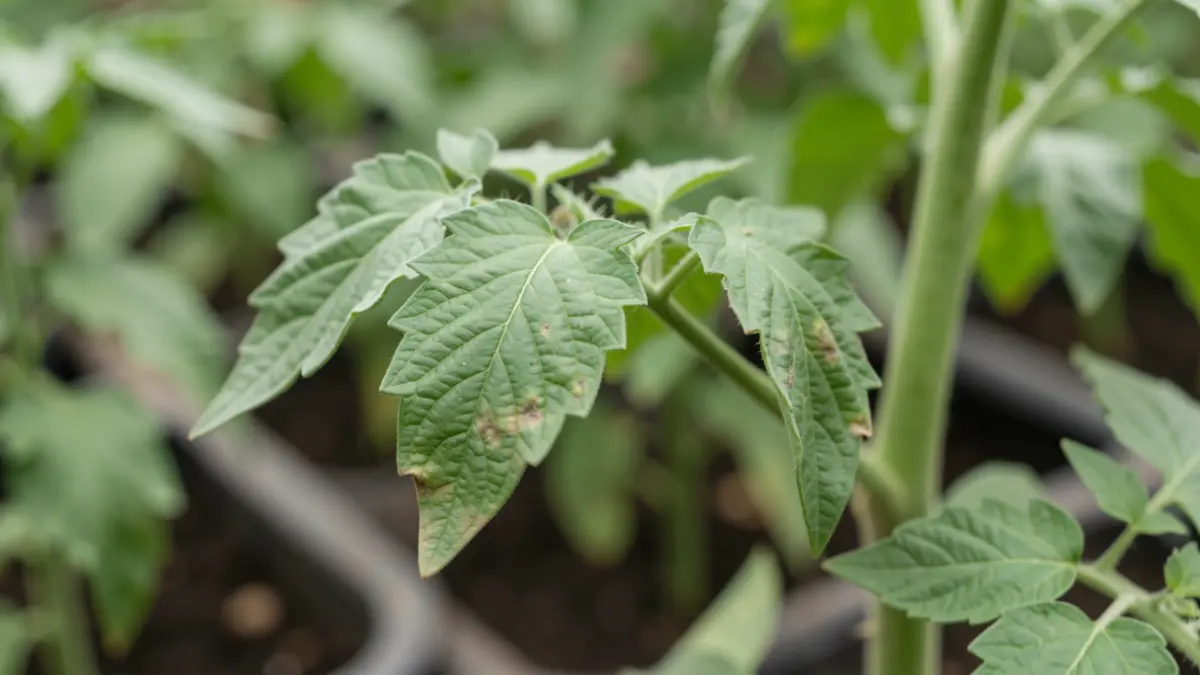
While plants do not speak like humans, they emit sound signals when under stress. The PUA (Plant Ultrasound Atlas) project, driven by the IBMCP, has created the world's largest plant sound atlas. Over 30,000 hours of recordings and nearly 450,000 ultrasonic records from crops such as tomatoes, peppers, cucumbers, tobacco, and soybeans have been collected. Each sound is accompanied by detailed data on the plant variety, temperature, humidity, soil condition, and CO₂ concentration, which are processed by artificial intelligence to identify patterns and predict behaviors.
This technology, presented during the III Biotechnology Conference, opens the door to more efficient irrigation systems, reduced use of phytosanitary products, and new strategies for combating agricultural pests. Potential applications extend beyond irrigation optimization; researchers are developing systems capable of early detection of insect attacks or diseases, and even exploring the use of ultrasounds to interfere with the behavior of pests like the Tuta absoluta, a significant problem for tomato cultivation.
The IBMCP, recently recognized as a Severo Ochoa center of excellence, is already working on more nutritious tomatoes, rice varieties more resistant to diseases, and plants that visually alert when infected by viruses. This advancement occurs at a key moment for European biotechnology, with the European Union finalizing new regulations on New Genomic Techniques (NGT) and considering regulatory adaptations for modified microorganisms, thereby promoting a new generation of biofertilizers and biopesticides.