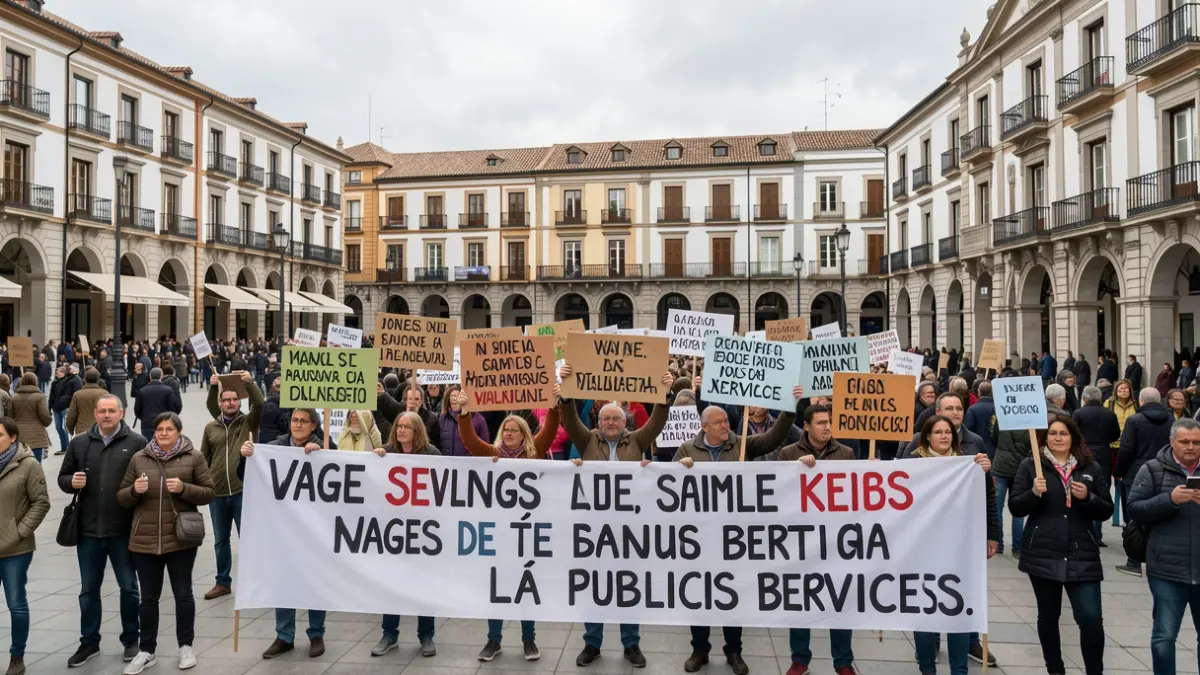
The fourth section of the Provincial Court of Valencia has upheld the prosecution of former Vox councilor Cecilia Herrero, dismissing her defense's appeal against the order for abbreviated proceedings. The Prosecutor's Office is seeking three years in prison for Herrero for messages published on X (formerly Twitter), in which she described migrants as "savages" and "invaders", among other insults.
The judicial ruling recalls that the fundamental right to freedom of expression is not "absolute" and is limited by respect for the "fundamental rights of third parties", such as honor, dignity, and non-discrimination. Herrero's defense, represented by lawyer Polonia Castellano, leader of Abogados Cristianos, had appealed the order issued on October 31 by Valencia's Court No. 15.
The order, with magistrate José Antonio Mora Alarcón as rapporteur, emphasizes that at this procedural stage, "it is sufficient to appreciate the existence of indications that the statements made may exceed constitutionally protected limits." The final classification of the facts will be reserved for the oral trial.
The ruling also underlines that the fact that some of the messages were subsequently deleted "does not eliminate the potential criminal relevance of the conduct at the time of its publication." Likewise, it is indicated that the public or private status of the active subject "does not constitute an element of the crime nor does it exclude the appreciation of indications of criminality," referring to Herrero's status as a councilor.