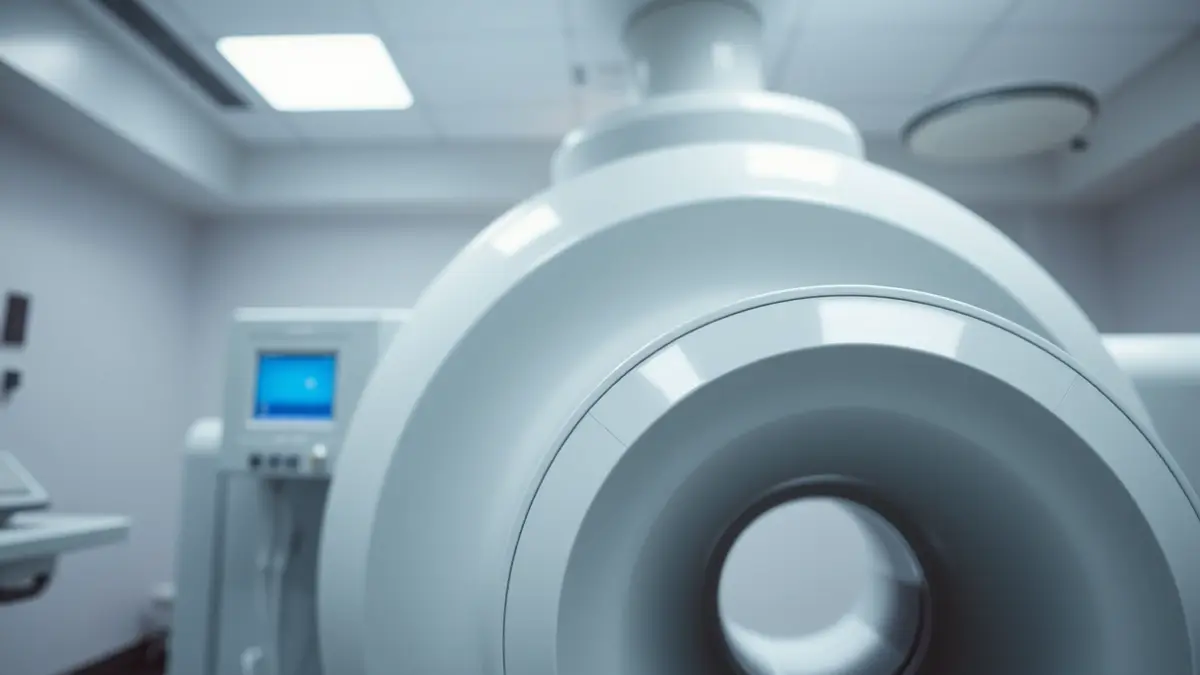
This new unit is equipped with the most advanced technology on the market for diagnosis and treatment. Notably, the digital PET-CT Omni Legend can detect lesions smaller than 5 millimeters with a reduced radiation dose, representing a significant advance in diagnostic precision and patient comfort.
In addition to the PET-TC, the service incorporates a hybrid gamma camera SPECT-TC NM/CT 850 and the Xeleris® processing station. These technologies enable high-quality and reliable molecular and anatomical studies, facilitating early diagnosis for various pathologies and reducing patient radiological exposure.
The new nuclear medicine service offers PET-CT studies for oncology, urology, neurology, and other non-oncological pathologies. It also allows for a wide range of scintigraphic studies for skeletal, cardiac, digestive, endocrine, neurological, lymphatic, and renal systems.
In the urological field, these tests assess the function of each kidney separately and help detect urinary obstructions or scars. In the neurological area, nuclear medicine provides functional brain information, particularly useful for the differential diagnosis of dementias and cognitive impairment, as well as for locating foci in difficult-to-control epilepsy.