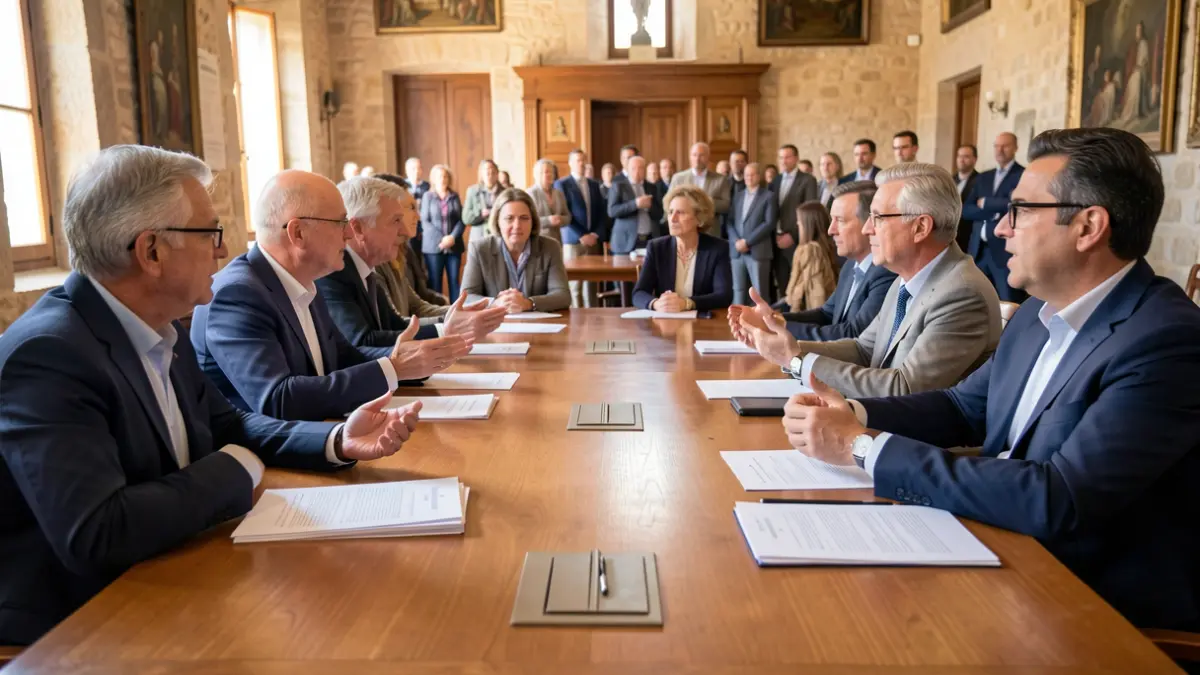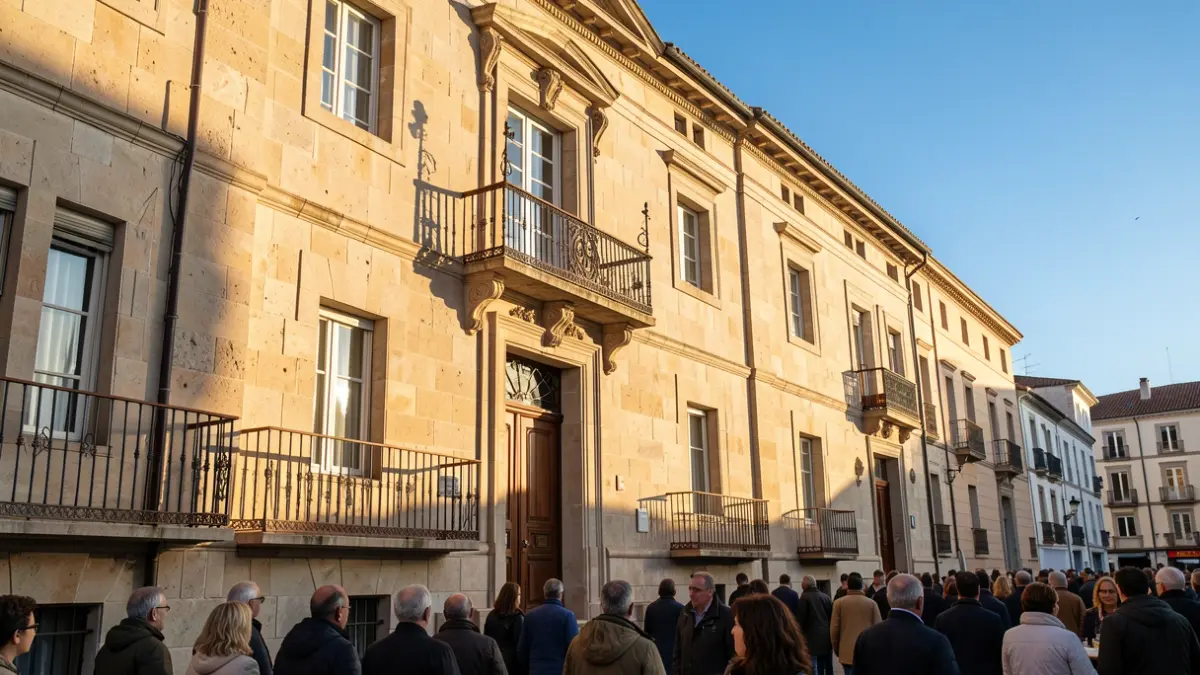
The location of the Sorolla Monument, which the Valencia City Council intends to reconstruct, will be decided through administrative negotiation. The council has stated that it will not seek a new location but will legally challenge the options already proposed, following the central government's rejection of the three initial proposals.
On December 1, the Department of Cultural Action, Heritage and Cultural Resources commissioned a “legally founded” report from the Municipal Legal Advisory Service to argue that the project does not constitute a new occupation of the public maritime-terrestrial domain, but rather a “heritage restitution” of a disappeared historical complex. The City Council does not accept the state body's legal interpretation and intends to build a technical and legal response to support the project on the Cabanyal coast.
“"We deeply regret that the Government once again turns its back on Valencians, preventing the restitution of a monument that stood there decades before the current Promenade existed."
According to the document formalizing the commission to the Municipal Legal Advisory Service, the crux of this debate lies precisely in the nature of the project. The Monument was inaugurated in 1933 but was destroyed by the 1957 flood. The state body considers that the reconstruction of the monument constitutes “a new occupation” of the public maritime-terrestrial domain and recalls that the Coastal Law only permits installations that “by their nature cannot have another location”.
The Coast Guard Demarcation rejects both the proposal to reinstall the complex on the sand —its original location in 1933— and the other two alternatives located within the promenade. According to Costas, this “can be located in another adjacent site to the public maritime-terrestrial domain” and exceeds what could be considered “urban furniture typical of a promenade space”.
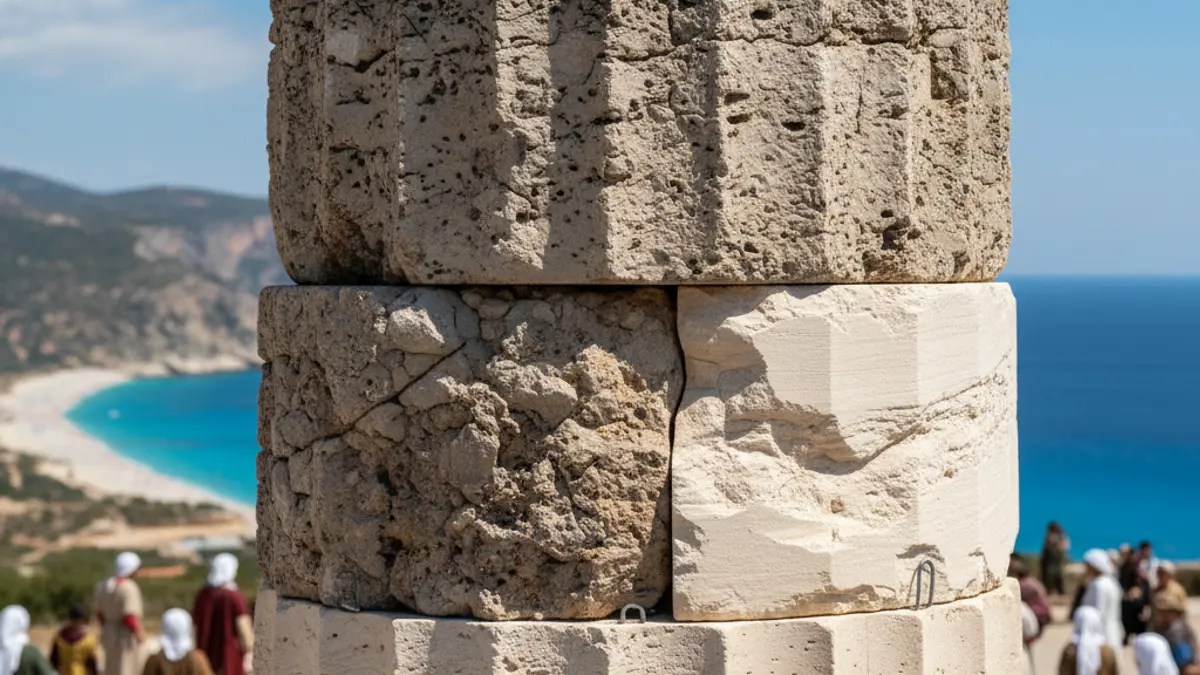
The City Council counter-argues based on the historical and patrimonial uniqueness of the project. The document sent to legal services insists that the action should be understood as “conservation, recovery or restoration of a pre-existing cultural asset” and not as a new occupation of the coast. The Department also wants to emphasize that the reconstruction is planned through an anastylosis intervention, meaning using original preserved pieces of the complex; and recalls that research efforts over recent years allowed locating approximately 60% of the original remains of the colonnade.
“"What the neighbors are asking for is to start with a comprehensive renovation of the promenade, which is a mess. It makes no sense to bring the Sorolla Monument to the beach under these circumstances. It would become a drinking spot while we have other destroyed monuments like that of Antonio Ferrandis or the landscaped areas of the Neptuno promenade unrepaired. This action makes no sense without a comprehensive renovation of the promenade."