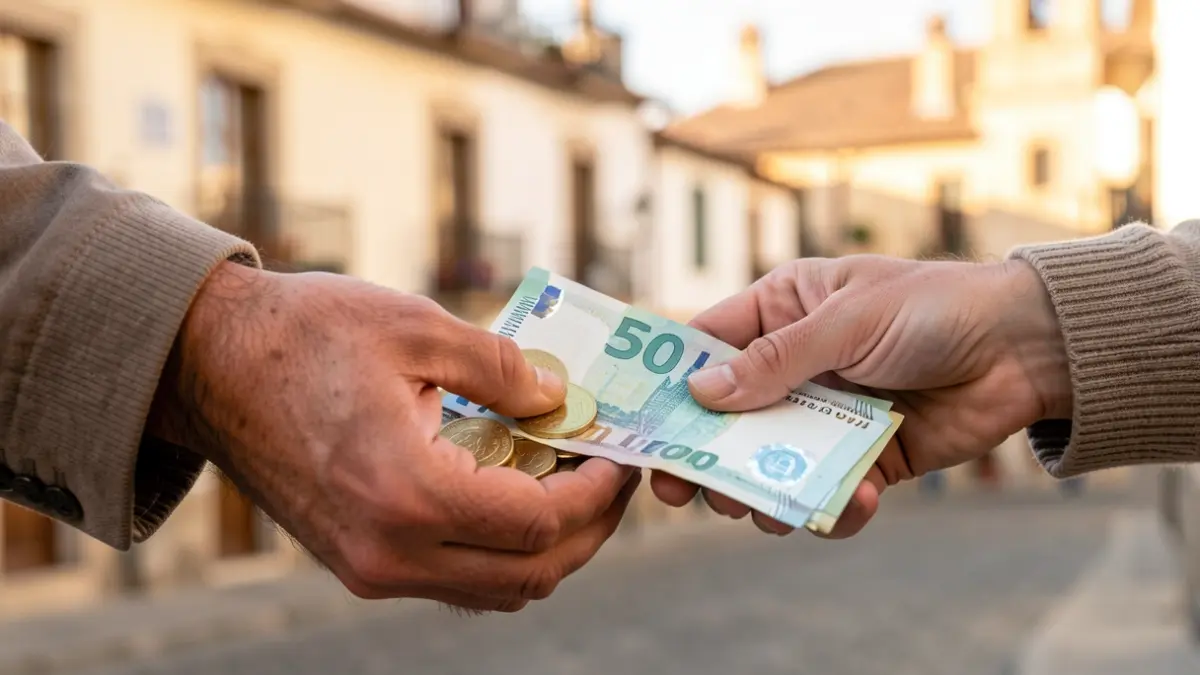
This decision means that the developers of the PAI del Grao, the company Valere Reoco (formed by the Atitlan group and the Hayfin fund), will pay 21.3 million euros for the urbanization of the former Formula 1 urban circuit. This figure represents half of the debt the council owes to the Generalitat Valenciana and implies a reduction of 10 million euros compared to what was agreed in the previous mandate, due to the deterioration of existing infrastructure.
The Valencian council has a recognized debt of 45 million euros with the regional executive, stemming from the era of Francisco Camps, which will have to be paid with public funds. After this reduction, the City Council will assume more than 23 million euros of this debt.
Sources from Urban Planning indicate that the City Council and the Generalitat are working on a review of the agreement to recalculate this debt. The local government intends to renegotiate the outstanding amount and pay a significant portion in land for the construction of protected housing.
The calculation is based on a technical report that has estimated what is “technically and legally attributable” to the developers, considering the deterioration of the area in recent years. The original agreement dates back to 2007, and the area, after the extinction of Formula 1, has been semi-abandoned and converted into a shantytown.
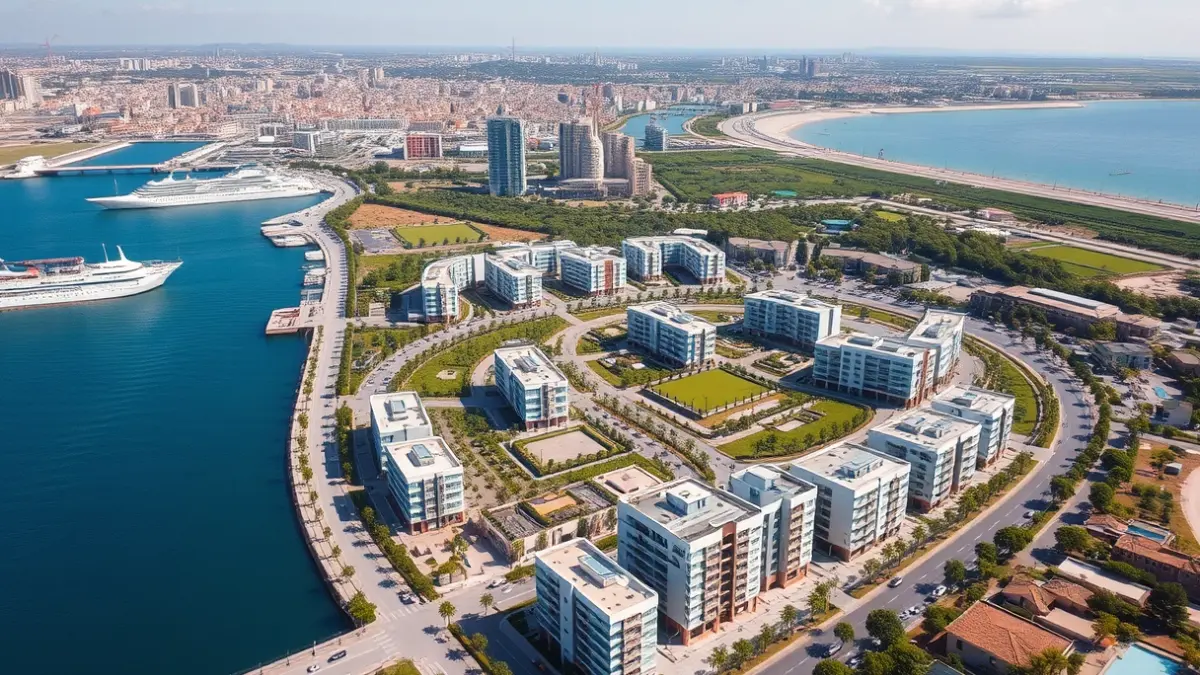
The PAI del Grao project, which will require an investment of 150 million euros, will transform the old industrial area next to the port. It involves 380,000 square meters of land in a vanguard urban centrality space, which will connect the sea with the city through the Alameda promenade and provide València with a new urban configuration.
“"18 years later, the people of València are still paying for the mess of the PP's Formula 1."
A socialist councilwoman has denounced that, of the 45 million that the circuit's construction cost, only 21 million will be passed on to the PAI del Grao developers. The remaining 24 million will be borne by citizens, according to her assessment. She criticized that a project sold as an anticipated PAI was not, and now the City Council will have to pay for it, leaving the city without the green delta of the Grao and with a considerable economic loss.