
This investment, which represents an increase of 45,000 euros compared to the previous edition, seeks to ensure the maintenance of municipal facilities and improve sanitation conditions throughout the province of València. The initiative highlights the provincial corporation's role as a fundamental support for localities with fewer resources.
“"The Diputación, as the institution closest to the municipalities, considers it necessary to help localities face the cost of these essential actions."
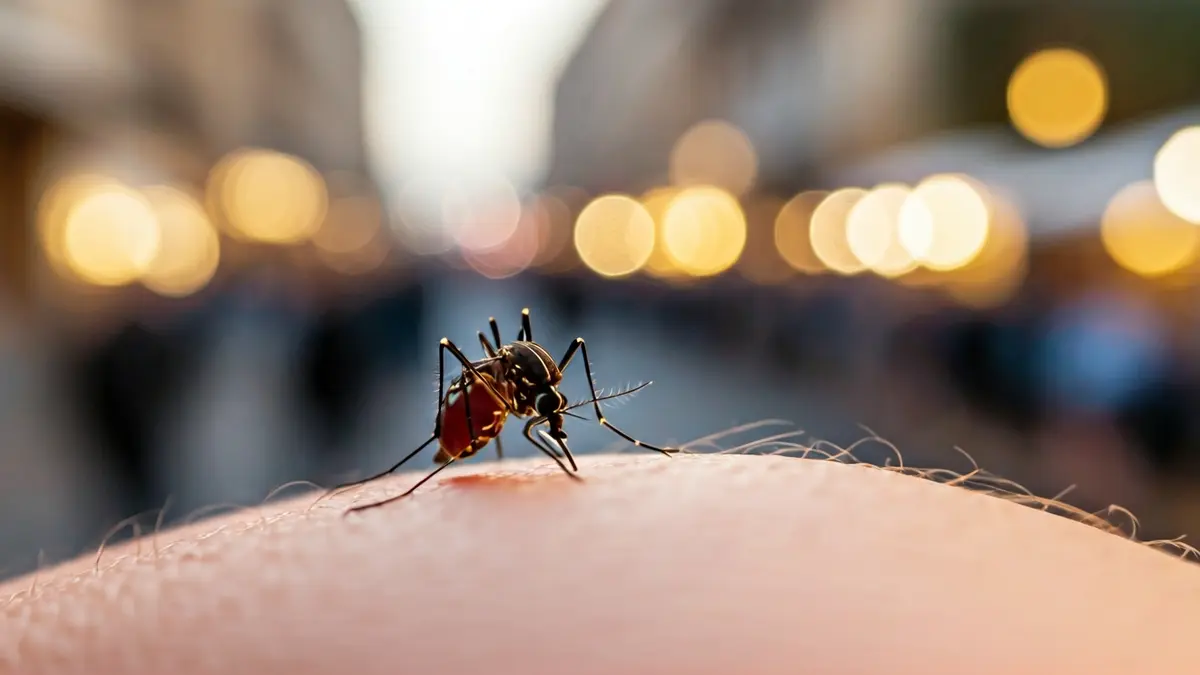
The subsidies will allow local councils to carry out two main lines of action. On one hand, deratization, disinsection, and disinfection campaigns in municipal buildings and sewage networks will be funded. On the other hand, funds will be allocated to vector control, such as flies and mosquitoes, including specific actions against the tiger mosquito and the black fly, which pose a growing public health concern.
The amount of aid is adapted to the population of each municipality. For disinfection and pest control campaigns, subsidies range from 1,650 to 5,150 euros, covering between 65% and 100% of the cost, with a higher funding percentage for smaller municipalities. For vector control, the subsidy can reach up to 3,150 euros per action, with coverage also increasing in less populated localities.
The call for applications also includes the redistribution of remaining funds to increase amounts in specific cases, always within established limits. This measure aims to particularly strengthen smaller municipalities, which often have fewer resources to undertake these essential public health services.