This piece has been commissioned to the prestigious Valencian cabinetmaker Salvador Caballero Bataller, based in Alzira. Caballero, recognized with the Craftsmanship Award from the Valencia Chamber of Commerce, boasts an extensive international career in design and artistic cabinetmaking.
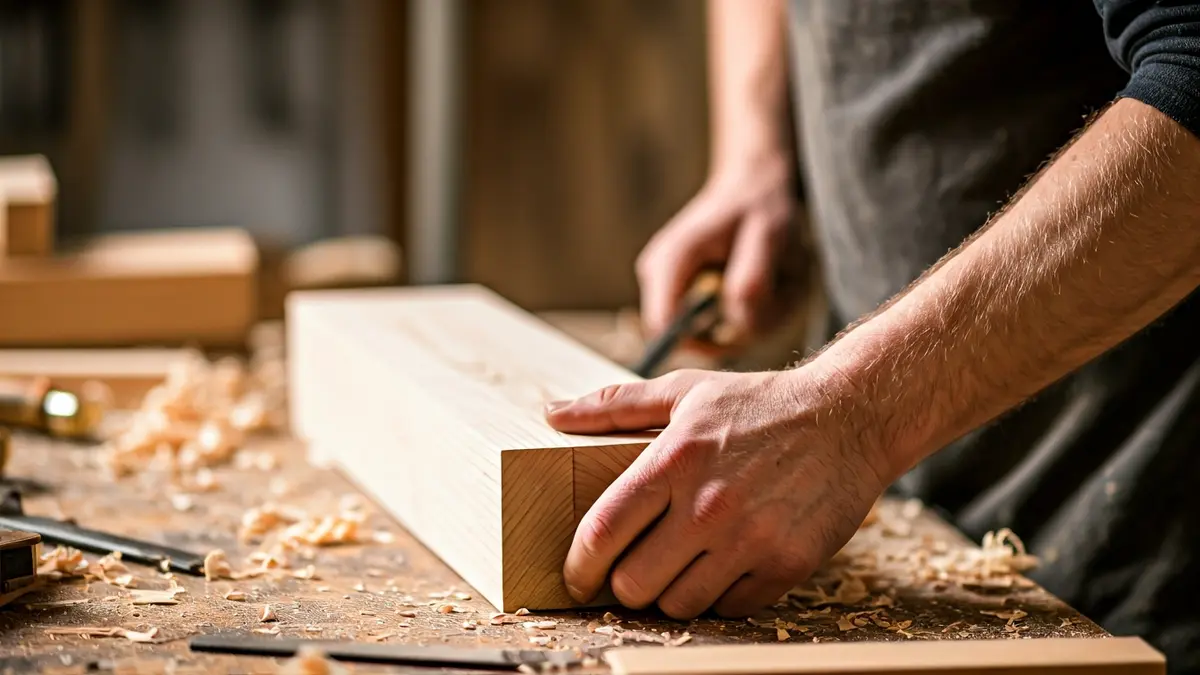
The new altar is being crafted entirely by hand, following traditional techniques such as the “dovetail” joint, a centuries-old assembly system that allows pieces to fit together without nails or screws, ensuring strength and stability. The structure, ten centimeters thick, is conceived as a single block of noble wood with a minimalist design intended not to detract from the apse's decoration or the image of the Immaculate Conception that presides over the space.
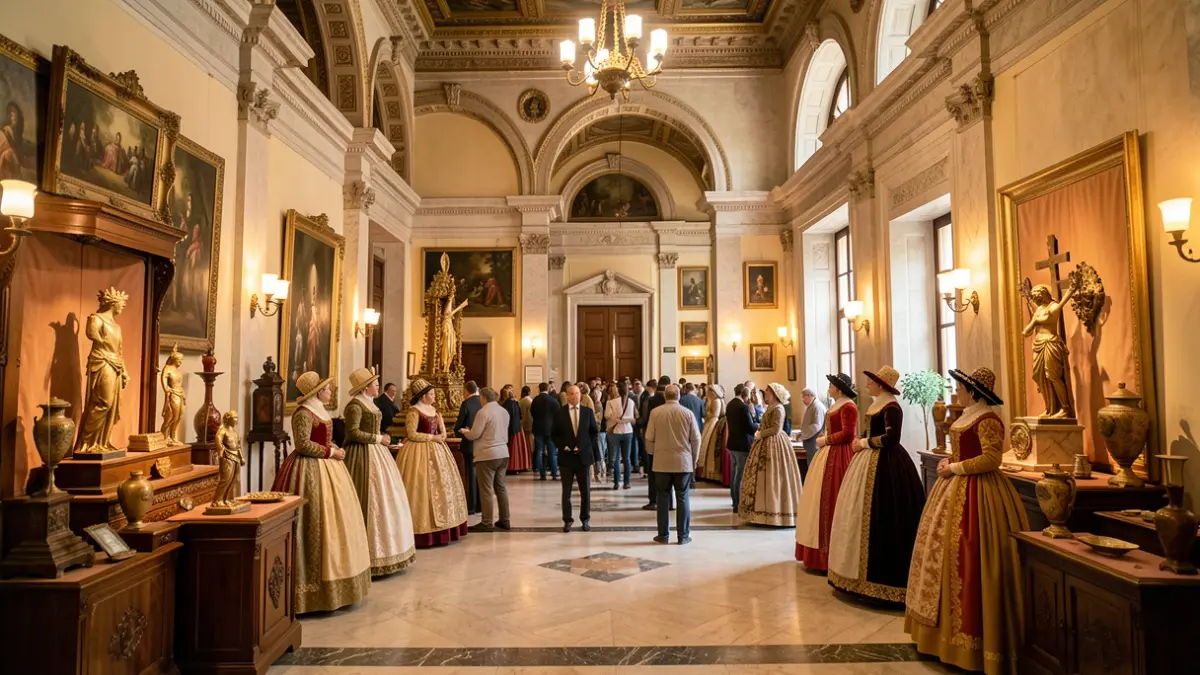
The project is part of a comprehensive restoration process of the temple, which has focused on the recovery of traditional crafts such as goldsmithing, forging, painting, and cabinetmaking, with the participation of various Valencian artisans.
“"My work is like what was done 500 years ago."
In addition to the main altar, Caballero will also be responsible for manufacturing the new sacristy furniture, including over 12 meters of American oak cabinets and shelves, as well as restoring mirrors with 24-karat gold leaf and crafting the ambons that will flank the altar.
The cabinetmaker himself explained that the project represents a significant technical challenge due to the hardness of the oak and the conditions the piece must withstand, while emphasizing the importance of keeping traditional techniques alive. The entire project is expected to take approximately six months to complete, after which the church will feature new liturgical furniture designed to be functional, durable, and consistent with the temple's renewed aesthetic.