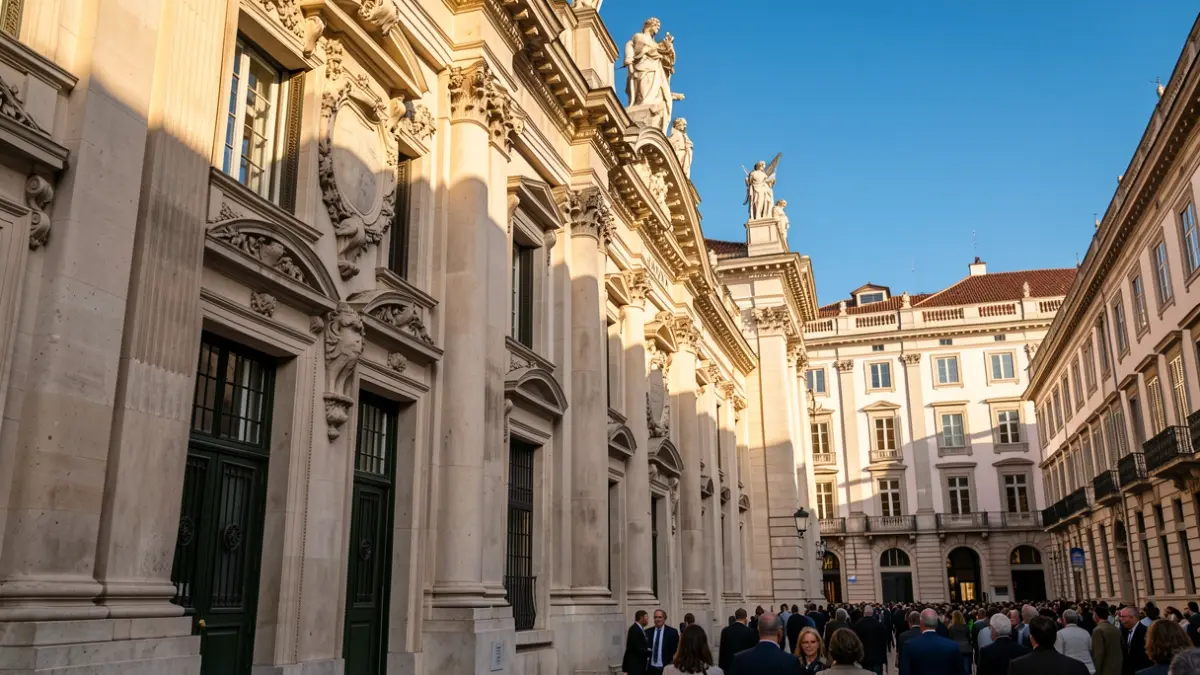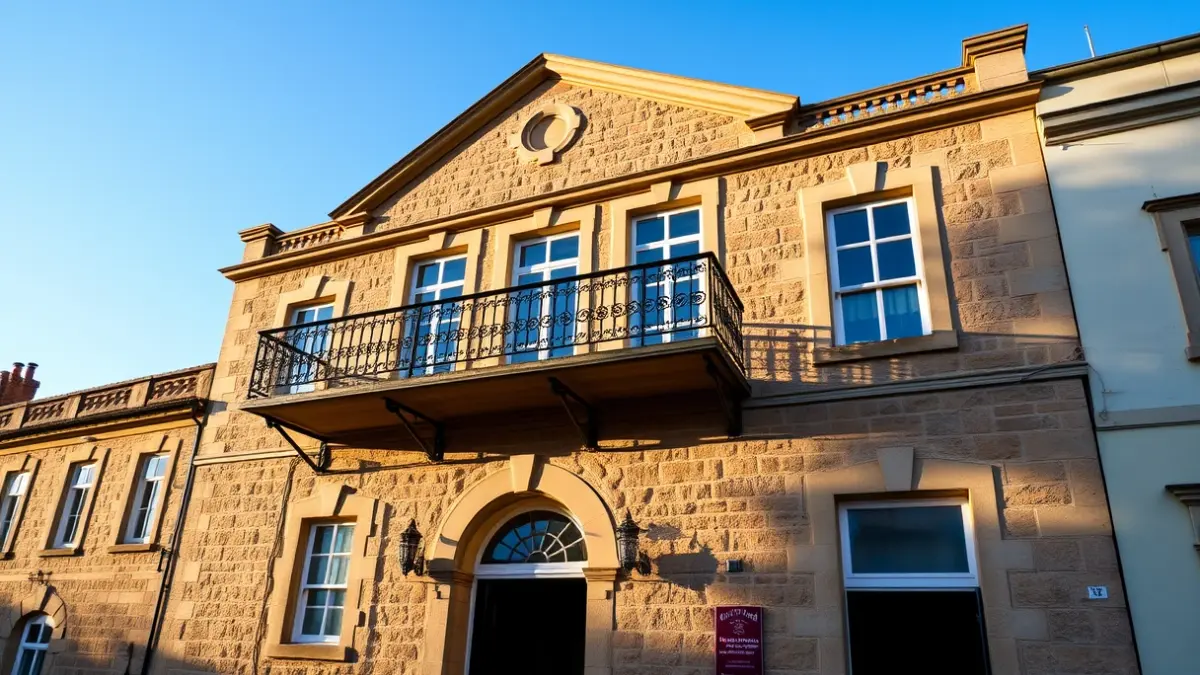
The main objective of this aid is the repair, conservation, maintenance, restoration, and rehabilitation of real estate properties with historical, artistic, or local interest. It also includes works aimed at adapting and renovating municipal assets and public access or use spaces, as reported by the Generalitat in a statement.
95 percent of the beneficiary municipalities, a total of 73, have a maximum of 5,000 inhabitants. The Consell has prioritized the fight against depopulation in this aid line, granting more points in the scoring to local entities with fewer inhabitants and smaller budgets, as well as those with greater patrimonial relevance of the asset or space to be acted upon. These 73 municipalities have been allocated the majority of the budget: 8,797,086 euros, representing more than 93% of the total.
The aid is intended to finance expenses incurred by the beneficiary entities related to the cost of executing works, labor, and installations, the drafting of projects (including, where applicable, geotechnical, archaeological, or structural studies), and the supervision of works.
“"There are no small or irrelevant towns; quite the opposite. The rural world is the heart of our history, and if we want people to stay in their towns, we must provide them with conditions, rehabilitate their past, and facilitate their present."
A Generalitat spokesperson highlighted that this aid shows special sensitivity towards smaller local entities, as depopulation is combated with services, accessibility, and respect for the heritage that defines identity. This aid complements other recently granted funds, totaling nearly five million, to eliminate architectural barriers in public buildings in municipalities with fewer inhabitants, aiming to ensure equal access to public services.