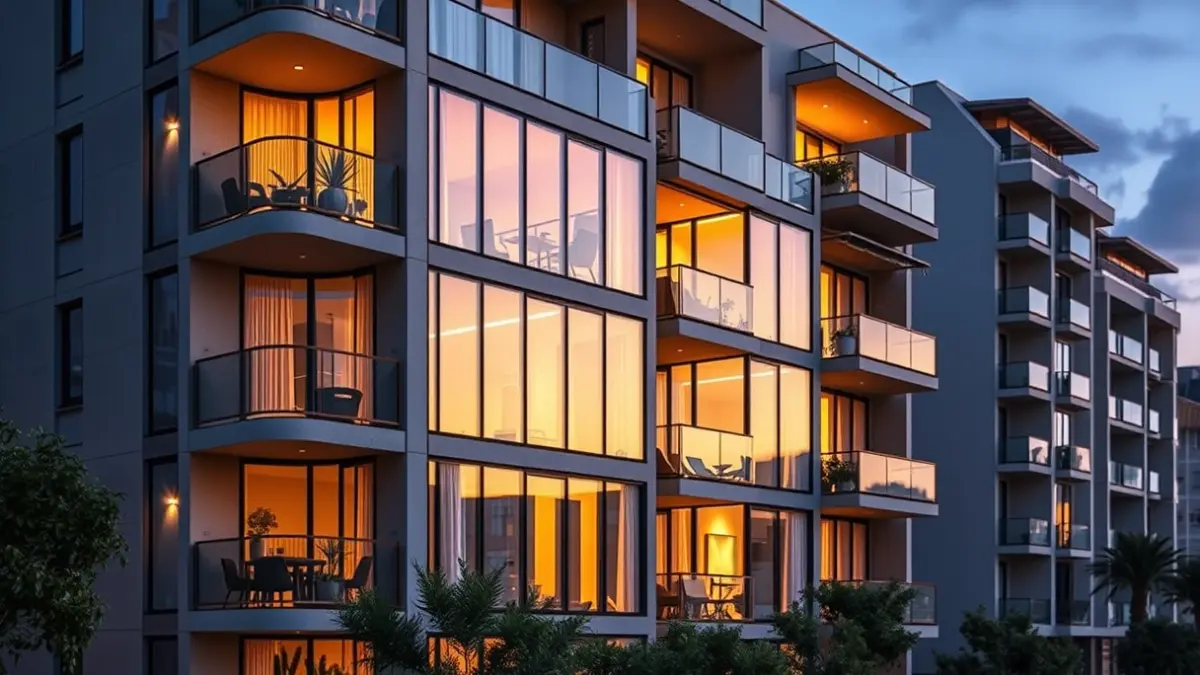
This urban planning document, undergoing a second participatory process, will define the conditions for implementation, habitability, design, and urban quality standards to accommodate temporary stays of medium duration or those associated with educational cycles. The regulation seeks to address the proliferation of these modalities, which are already beginning to establish themselves in the city.
Among the new typologies to be regulated are 'flex living', 'coliving', residential endowment accommodations, and temporary or endowment residences linked to specific activities. The City Council is considering initiating the regulation process even before the final approval of the PGE, through specific modifications.
“"The General Plan must include these new housing typologies with clear and flexible regulation, capable of responding to the transformation of household models, mobility patterns, and new forms of coexistence."
'Flex living' is defined as a flexible residential model for medium or temporary stays, characterized by adaptable occupancy times, common services, and unified building management. It targets profiles such as relocated workers. 'Coliving', on the other hand, is based on shared living in reduced private spaces complemented by extensive shared common areas, fostering community living models, especially for young people or those in residential transition.
Residential endowment accommodations will be linked to public or endowment land, intended for specific groups or vulnerable situations, with regulated occupancy regimes and not oriented towards ownership. Temporary or endowment residences linked to activity will be aimed at students, researchers, or relocated workers, with medium-term stays associated with economic, university, or scientific activities.
Additionally, adaptive conventional housing is contemplated, incorporating spatial flexibility criteria to adapt to different family configurations or changes in use over time. All these typologies require specific urban planning regulation to ensure their proper integration into the city.
The Structural General Plan will establish the necessary regulatory conditions for their implementation, defining parameters for habitability, design, density, provision of common spaces, and compatibility of uses. The objective is for these new ways of living to contribute to the diversification of the residential stock without compromising urban quality or the structural function of housing in the city.
The plan also foresees promoting over 40,000 new homes, of which 22,300 will be developed in new development areas, 14,300 in urban regeneration and transformation operations, 5,000 will result from redensification actions or on vacant lots in the consolidated city, and 1,300 will be affordable rental endowment homes.