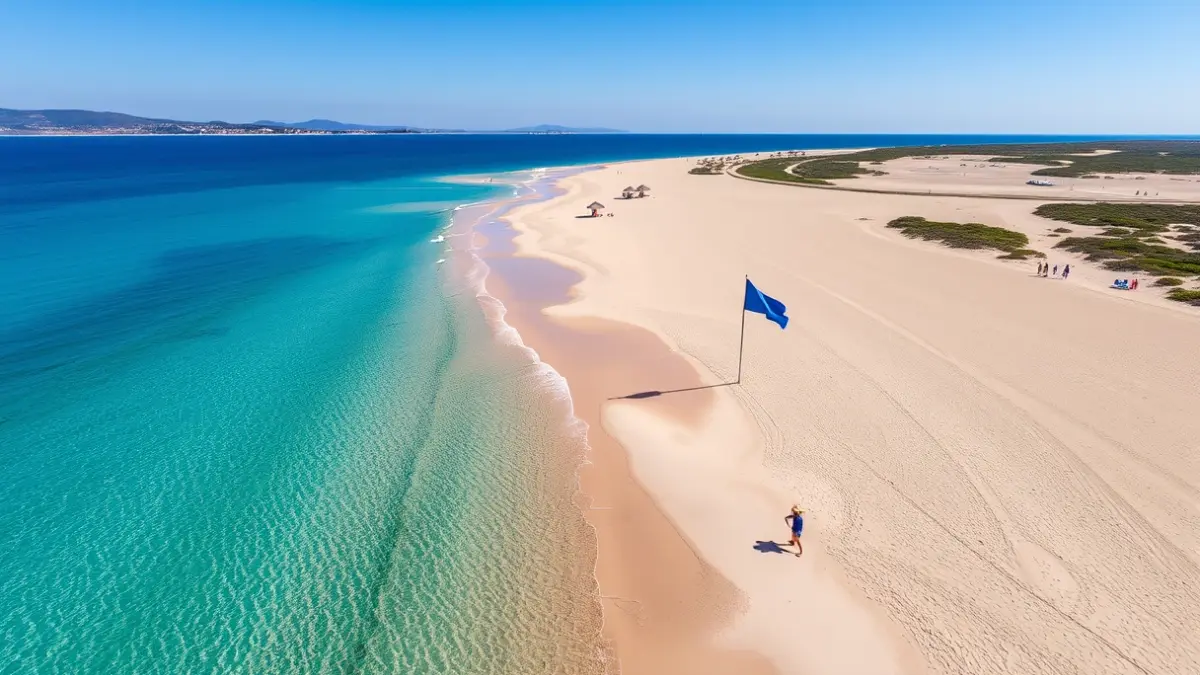
This result represents an increase of six beaches compared to the previous edition and strengthens the importance of the Alicante coastline within the national map of environmental quality, services, safety, and accessibility in bathing areas. The provincial balance includes new additions, recoveries, and one departure from the previous list.
Among the new additions are L’Advocat in Benissa; Puerto Blanco and Racò in Calp; and Cala Lanuza in El Campello. Additionally, L’Espigó in Altea; Tamarit in Santa Pola; and Arenal in Jávea have regained the distinction. Conversely, Cala Fustera in Benissa is no longer among the awarded beaches.
The Valencian Community maintains national leadership with 152 Blue Flag beaches, and Alicante contributes decisively to this success.
The Valencian Community maintains its national leadership with a total of 152 Blue Flag beaches, distributed across 48 municipalities. By province, Alicante leads the list with its 77 beaches, followed by Valencia with 39 and Castellón with 36. Including beaches, marinas, and tourist boats, the Community reaches 174 Blue Flags, with Alicante accounting for 95 distinctions (77 beaches, 17 marinas, and one tourist boat), positioning itself as the leading Valencian territory in total volume of recognitions.
Spain continues to lead the world ranking with 677 Blue Flag beaches, 35 more than in the previous edition, and a total of 794 distinctions. The program, now in its 40th edition, evaluates environmental, health, safety, and accessibility criteria, and this year 14 Spanish beaches receive the Blue Flag for the first time, and 32 recover it.