Starting at 7 AM, À Punt Ràdio broadcast a special program from the magazine Amunt i Avall, presented by Sergi Olcina, from an intermediate set on Dénia Avenue. Reporters Marina Perelló and Lorena Alegre walked the route to convey the pilgrims' emotions to listeners.
The television broadcast began at 10 AM with a special program presented by Ferran Cano. À Punt broadcast the campaign mass, the pilgrimage, and the morning events from Luis Foglietti Square, including testimonies from pilgrims and prominent figures in the procession.
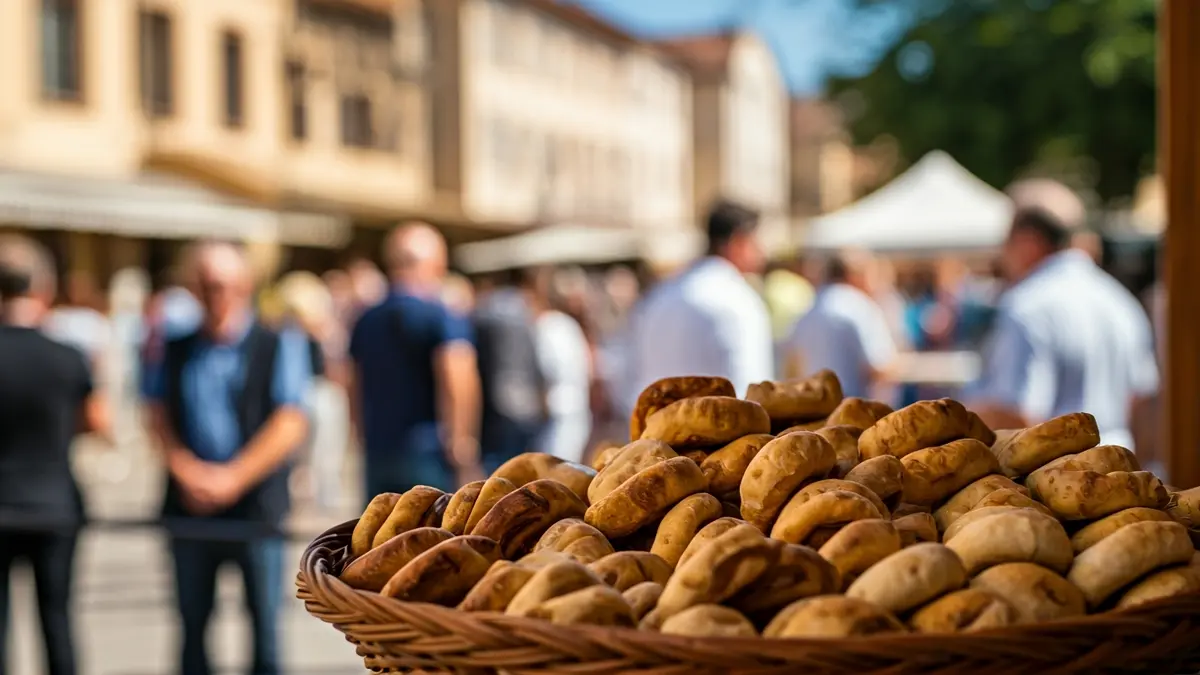
During the 8-kilometer route, traditional music was enjoyed, and the municipal stand distributed typical anise rolls and mistela. Upon arrival at the Santa Faz Monastery, Holy Mass was celebrated, presided over by the bishop of the Diocese of Orihuela-Alicante, Jesús Murgui.
The Santa Faz Pilgrimage celebrates 537 years of history. Last year, it gathered over 360,000 people, and although it is held earlier in the calendar this year, similar participation is expected. This massive event is considered the second most important pilgrimage in Spain, after El Rocío.
The festival seeks recognition as an Intangible Cultural Asset (BIC) due to its historical continuity since the late 15th century, its community roots, and its collective identity value for Alicante.
The veneration for the Santa Faz, also known as the Pelegrina, dates back to 1489, when the miracle of the tear was attributed to it during a drought. The monastery was built on that spot, becoming a pilgrimage center. The relic, a piece of the cloth with which Veronica wiped Christ's face, is kept in the village of Santa Faz, being one of three recognized by the Holy See.