A research project by the Universitat de València has brought to light the trajectories of Perolero de Pedralba, Fenoll de Torrent, Gualo de Rafelbunyol, and Pelat de Riola. These four names, linked to Valencian pelota, saw their lives marked by exile, a fact that forced them to build new lives far from home.
The study, titled El trinquet de la memòria. L’exili dels pilotaris valencians (The Trinquet of Memory. The Exile of Valencian Pilotaris), focuses on the role these athletes played both in the game of pelota and in the society of their time. Their lives were crossed by the Civil War, between 1936 and 1939, and by Francoism, between 1939 and 1975, a context that forced many Valencians to abandon their land.
“"Exile left a void in the world of pelota."
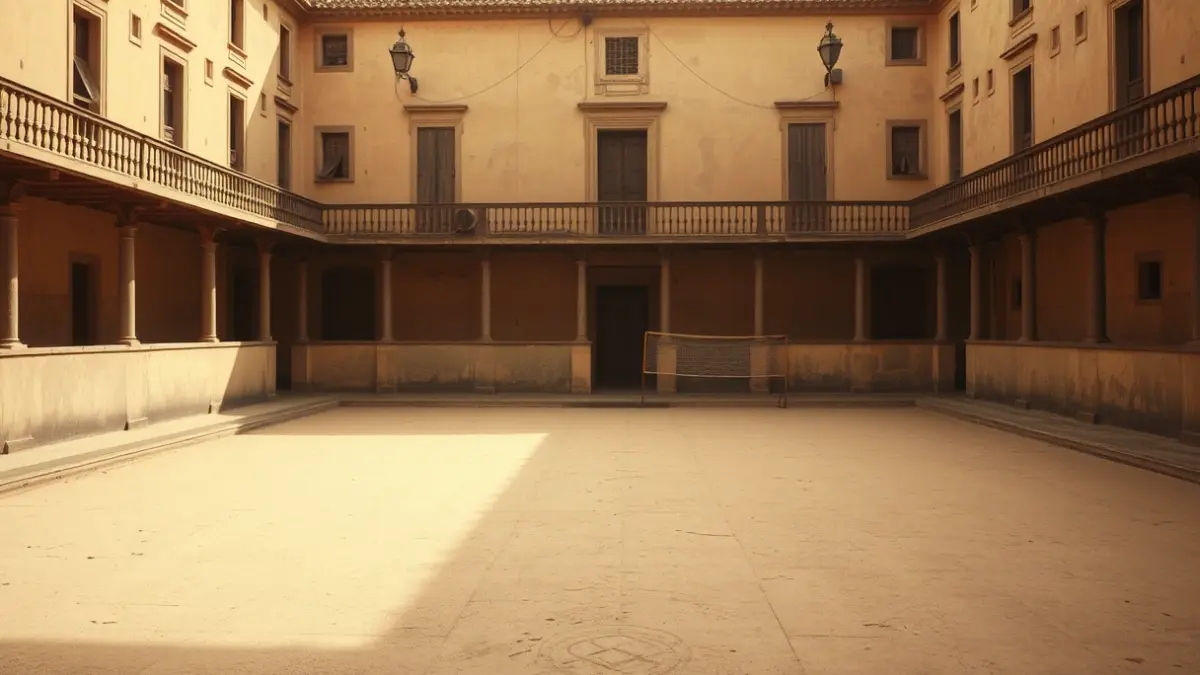
Valencian pelota, with more than seven centuries of documented history, is part of the cultural and sporting heritage of the Valencian people. However, the research group points out that its history cannot be fully understood if the biographies of those who were removed from the game due to war, repression, or exile are ignored.
The investigation, carried out by members of the University Network for Research in Valencian Pilota and other hand pelota games (XAIPV) of the Pilota Chair, took place between 2021 and 2025. It was based on documentary research and interviews with the protagonists' relatives, allowing the reconstruction of stories that had been scattered or silenced.
This work not only looks to the past but also seeks to strengthen the relationship of new generations with Valencian pelota, linking it to its history and its role in the construction of Valencian identity. The publication is part of the project Exiled and Repressed Valencian Athletes, from the Conselleria de Participació, Transparència, Cooperació i Qualitat Democràtica-Conselleria de Presidència de la Generalitat Valenciana.