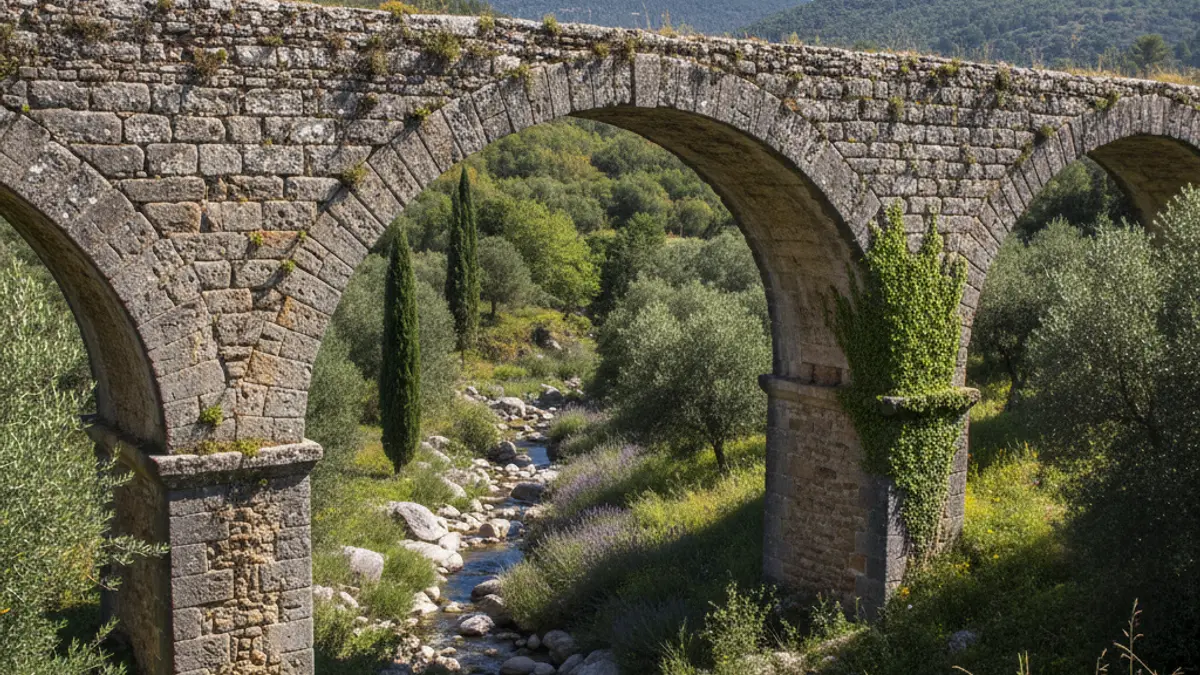
This initiative is part of the Master Plan for the Conservation of the Network of Aqueducts and Hydraulic Conduits of Bishop Tormo, a document prepared by the University of Alicante that establishes priorities for the conservation of this important heritage complex. The original purpose of these constructions was to transport drinking water from Aspe to Elche.
Following the restoration of the Cinco Ojos aqueduct in 2020, the Aspe council is now taking a new step with the planned action on the Carboneras aqueducts, specifically those known as one and two arches. According to the master plan, these are the elements that require the most urgent intervention due to their deterioration.
The Aspe City Council has already allocated an economic item of 40,000 euros in the municipal budgets to make this action possible. In parallel, it is managing a subsidy through the Plan Restaura of the Generalitat Valenciana, which would allow the tender process for the works to begin this year. If administrative procedures progress as planned, restoration work could start between late 2026 and early 2027, with a total cost exceeding 100,000 euros.
With this initiative, the council reaffirms its commitment to the conservation of the historical, cultural, and environmental heritage of the municipality. It also seeks the recovery of hydraulic infrastructures of great historical value that are part of the identity of the natural area of Los Algezares and the collective memory of Aspe.
The construction of these aqueducts dates back to the late 18th century, when Elche experienced significant population growth, increasing the demand for drinking water. The solution was to acquire fresh water from the Fuente de Barrenas, located in the municipality of Aspe. To channel the water, a significant hydraulic engineering work of about 15 kilometers was built, promoted by Bishop José Tormo and directed by the architect José Gonzálvez de Coniedo between 1785 and 1789.