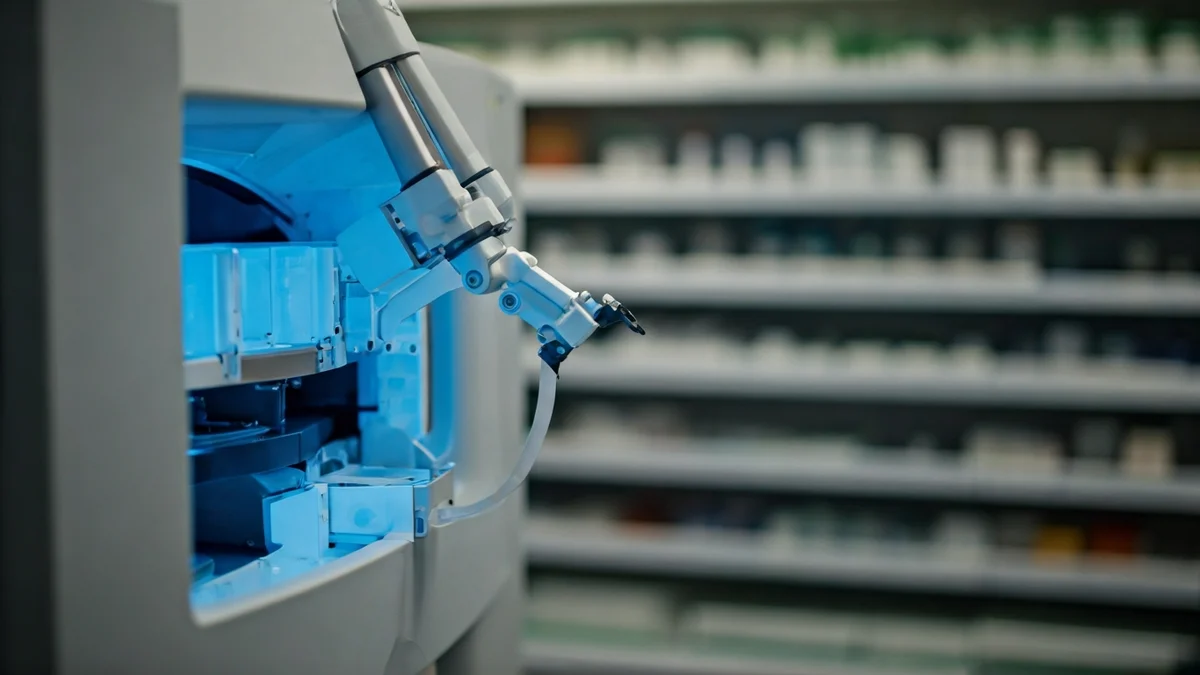
This technological innovation, which began operating in December 2025, replaces manual processes, optimizing daily management and staff working times. The system comprises a central device in the Pharmacy Service, with four modules, and two peripheral units located in the Operating Room area and the Major Ambulatory Surgery Unit. In addition to narcotics, these devices also manage non-narcotic medications requiring special control.
During the first three months of operation, the system in the surgical area dispensed 2,885 units of drugs to 1,769 patients, eliminating the need for manual processing of an equivalent number of prescriptions and vouchers. This automation not only streamlines processes but also reinforces safety in medication use.
“"This incorporation represents a significant advance in terms of safety and efficiency within the healthcare environment, highlighting that it facilitates compliance with legal requirements."
The central device allows automated stock control, with alerts on supply levels and expiry dates, improving storage management and reducing the risk of shortages. In operating rooms and ambulatory surgery, the units function as automated cabinets that staff access via fingerprint identification to withdraw necessary medication.
“"The role of the anesthesiologist in the use of these systems is fundamental, as they are part of current anesthesia safety strategies."
Each dispensation is registered with date and time and, in the case of narcotics, linked to the patient, ensuring complete traceability and replacing the traditional manual system. The collected information is automatically integrated into the Electronic Narcotic Book of the Pharmacy Service, avoiding manual data transcription and improving overall efficiency. The assistant pharmacist, Carmen Matoses, emphasized that this system allows for optimizing stock management and streamlining daily work.