The Spanish Government approved on Tuesday the creation of the professional certificate "Cultivation and work on palm trees," a new official Vocational Training qualification that will have a special connection with territories like Elche, where the Palm Grove, white palm leaves, dates, and traditional crafts associated with palm trees are part of the landscape, economy, and cultural heritage. The certificate, validated by the Council of Ministers along with two other new professional titles, belongs to the Agrarian family, is level 2, and consists of 530 hours of training, as reported to this newspaper by the Ministry of Education, Vocational Training, and Sports.
The new accreditation will allow individuals to work in all economic sectors involved in the cultivation, care, and high-altitude pruning of palm trees, as well as activities related to date harvesting and other by-products, white palm production, and the artisanal creation of compositions in the agricultural sub-sector. The certificate also includes a period of company training, in accordance with the general regulations of the Vocational Training System.
The professional certificate's general competence is to perform operations related to the cultivation, maintenance, and utilization of palm trees, as well as to create compositions with white palm. The training includes plant health control, the handling of specific equipment and tools, and the application of good agricultural, forestry, and arboricultural practices. The title also incorporates criteria for economic profitability and compliance with regulations in areas such as environmental protection, quality control, food safety, data protection, occupational risk prevention, and waste management. Thus, the training is not limited to traditional work on palm trees but incorporates technical, safety, and quality requirements adapted to the current framework.
The new certificate joins two others approved by the Council of Ministers: "Micropigmentation Procedures and Techniques," from the Personal Image family, and "Clinical Assistance in Veterinary Centers." With these new actions, the Ministry consolidates its commitment to quality, flexible Vocational Training focused on people and adapted to the needs of the country's productive fabric. These certificates will soon be published in the Official State Gazette (BOE).
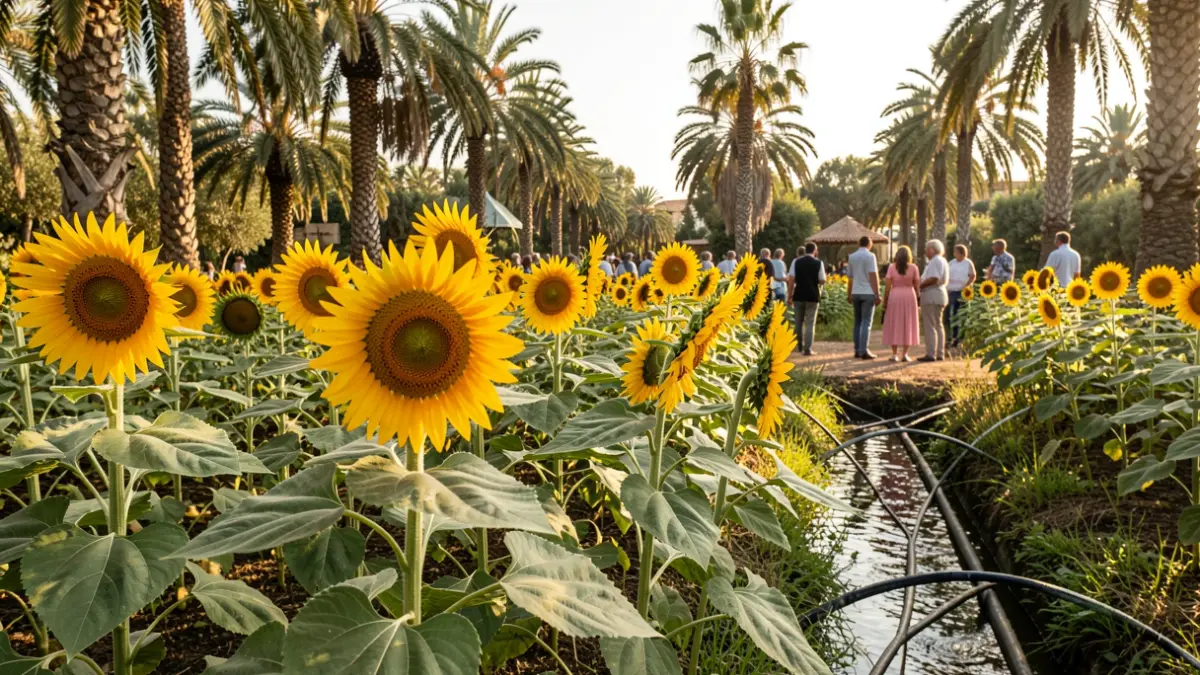
In the case of palm trees, the certificate professionally recognizes the palm worker and a set of very specific tasks that are particularly relevant in Elche due to the existence of the historic Palm Grove, traditional orchards, and the production of white palm linked to Palm Sunday.
Among the competencies covered by the new training is the evaluation of soil, climate, and irrigation water for planting palm trees and woody plants, considering the variety to be planted and the purpose of the cultivation. The certificate also qualifies individuals to prepare land for woody crop and palm plantations, plant and maintain these crops, and consider the type of utilization to optimize production. Another highlighted point is the maintenance of the heritage structure of traditional palm groves, conserving biodiversity through reproduction.
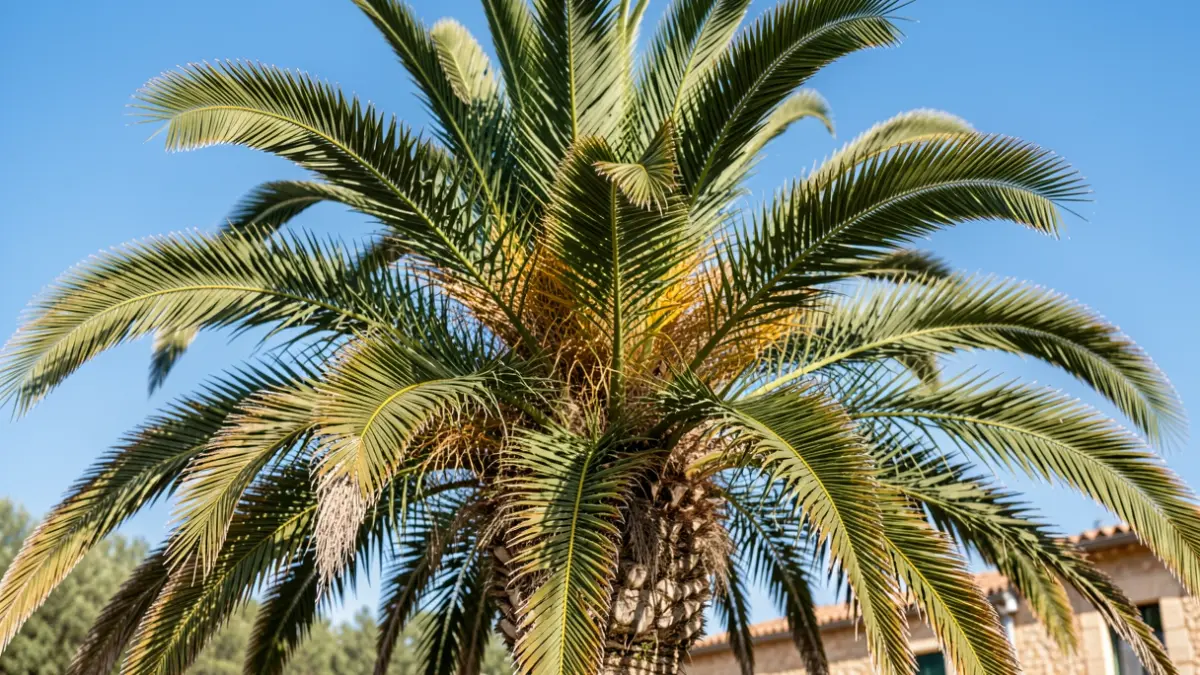
The training also includes assessing the condition of palm trees and preparing for climbing activities, with planning for the safety measures of personnel and the environment. This section integrates one of the most characteristic tasks of the trade: high-altitude pruning. The certificate expressly includes the competence to prune palm trees by ascending to the foliar crown, aiming for well-formed and balanced plants, always complying with occupational risk prevention and environmental protection regulations.
Safety plays a significant role in the qualification. Among the competencies is the ability to rescue an operator in case of an accident, ascending the trunk and activating the PAS emergency protocol: Protect, Alert, and Assist.
The new professional accreditation also includes traditional and productive uses of the palm tree. One of the foreseen competencies is selecting palm trees and hooding the fronds for white palm production, carrying out the necessary operations to ensure the highest product quality. The certificate also allows for the conditioning tasks necessary for the harvest and post-harvest of various products obtained from palm plantations. These include dates, guarapo (palm sap extracted from the Canary Island date palm used to make a typical drink from La Gomera), and other by-products.
The training covers the collection and processing of palm fronds, applying appropriate products for their preservation, storage, packaging, and distribution. It also includes date harvesting, transportation via approved vehicles, and subsequent classification, storage, and processing tasks. Another relevant competence is the creation of compositions with white palm and elaborations with other palm by-products, with profitability objectives for their sale. This section directly connects with the artisanal aspect of a trade that in Elche maintains a strong relationship with Holy Week, palm tradition, and the activity of specialized workshops. The certificate also includes the transport of palm trees for utilization or disposal, depending on their sanitary status, following the specifications of the Technical Gardening Standards.
The creation of this certificate represents formal recognition for a highly specialized activity with a strong presence in palm-growing areas. In the case of Elche, the new qualification can serve to reinforce the professionalization of trades linked to the Palm Grove, facilitate generational succession, and officially accredit tasks that combine agriculture, heritage, high-altitude safety, craftsmanship, and the economic utilization of palm trees.