The proposal emerged after a conference on this plan, organized by the Chamber and the Chair of Water Efficiency and Sustainable Agriculture at the University of Alicante. The meeting brought together experts, residents of Torremendo (who oppose a nearby waste plant), and Raúl Mérida, the Valencian Government's Commissioner for Recovery. Discussions covered plan modifications and their impact on waste, agricultural activity, and the photovoltaic installation to reduce the desalination plant's energy consumption, which could lower water costs for irrigators.
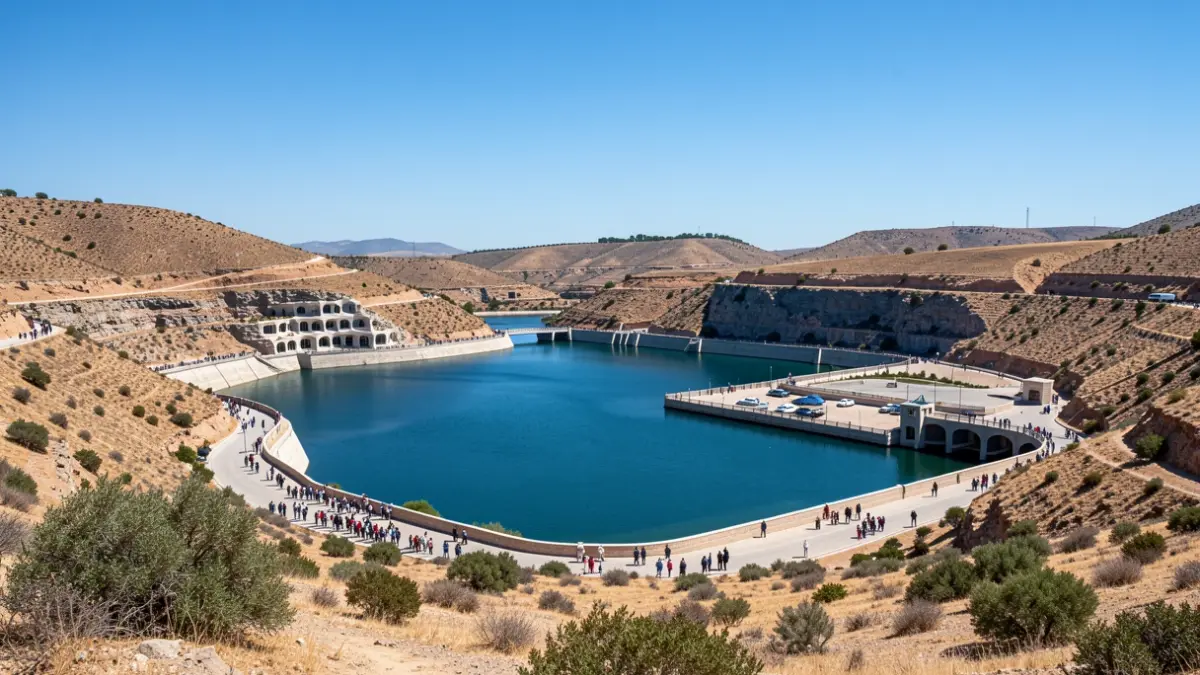
The president of the Orihuela Chamber, Mario Martínez, advocated for the La Pedrera reservoir proposal, citing a previously awarded project and expert opinions. The photovoltaic installation affects the municipalities of Orihuela, San Miguel de Salinas, and Pilar de la Horadada. Only the latter municipality submitted timely objections.
Martínez acknowledged a potential landscape impact but stressed the need for the region to propose its own alternatives. "It's an installation that, whether we want it or not, will happen, and it will allow our farmers to have cheaper water," he stated, adding that "if we don't propose the location from our region, it will be imposed on us." He indicated that "if we have to choose between the economy and a photo of the La Pedrera reservoir, I choose to sacrifice the photo," although less invasive options like rooftop panels can be studied.
For its part, ASAJA Alicante expressed its rejection of the current plan, warning that it could create legal uncertainty and limit projects of public interest. The president of ASAJA Alicante, José Vicente Andreu, denounced the document as a hindrance to the primary sector and a threat to the future of municipalities like Torremendo, calling it a "cut and paste" and criticizing the prioritization of environmental pressure over socioeconomic viability.
Andreu questioned the lack of economic assessment for the plan, noting that "we have no record of any socioeconomic assessment of the declaration's consequences, especially in the buffer zone, which includes over 6,000 hectares of national interest irrigated land." They also warned that restrictions could affect photovoltaic installations for agricultural self-consumption, among other things.
Environmental technicians such as Francisco Martínez, director-conservator of the natural parks of southern Alicante, emphasized the need to balance natural values with economic activities. Professor Andrés Molina cautioned about legal uncertainty and disproportionate limitations. Raúl Mérida defended the plan for protecting habitats and water resources.
ASAJA Alicante also expressed concern over ten additional articles that, in their view, would allow the authorization of facilities like landfills or polluting industries. Mario Martínez insisted on the need for shared regional solutions, calling for the reactivation of the Regional Council to debate the territory's future, including issues like waste and healthcare.