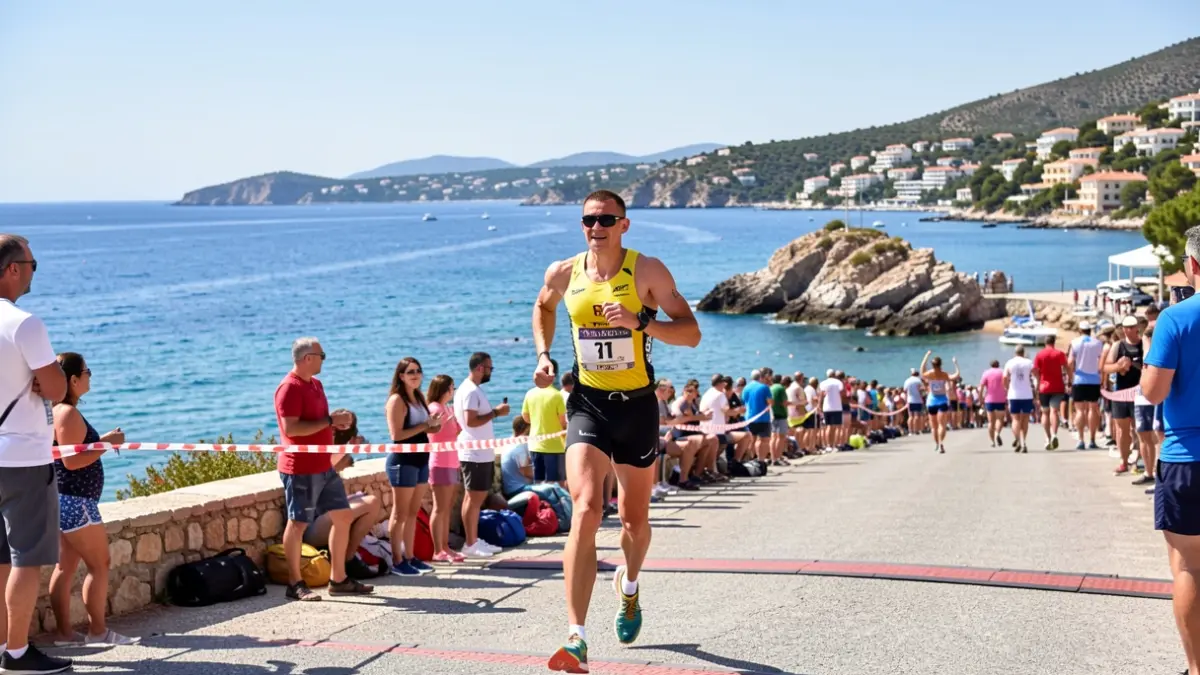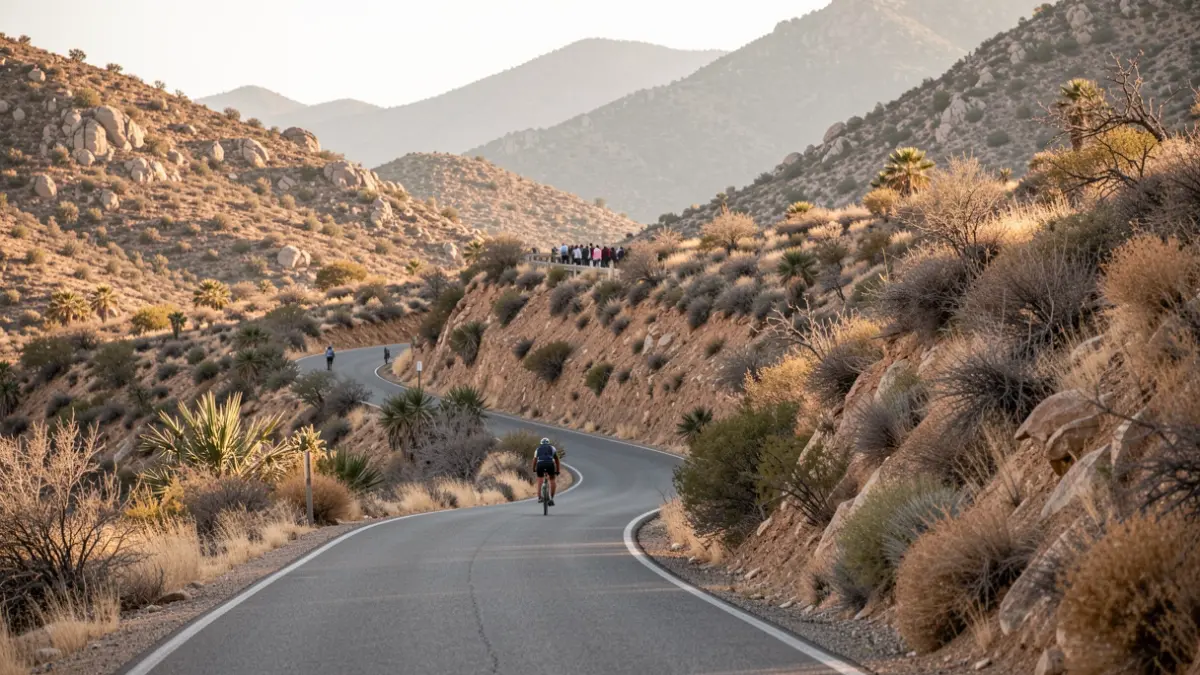
The province of Castellón will once again place itself on the international cycling map with the passage of La Vuelta 2026, which will traverse the territory on August 27th and 28th with two stages set to reinforce the province's sporting, tourist, and economic projection.
The Desierto de las Palmas hosted the official presentation of stages 6 and 7 this Thursday, with the participation of the president of the Provincial Council of Castellón, Marta Barrachina; La Vuelta's technical director, Kiko García; and former cyclists Joaquim ‘Purito’ Rodríguez and Ángel Vicioso.
Marta Barrachina highlighted that these two days will allow them to “show muscle and display the enormous potential of our territory as a cycling paradise”, in an event that combines elite sport, tourist promotion, and economic revitalization.
The sixth stage will be contested entirely within the province, starting in Alcossebre and finishing in the city of Castellón, after a 176-kilometer route. The course will pass through Alcalà de Xivert, Les Coves de Vinromà, La Serratella, Albocàsser, Serra d’En Galceran, Benlloc, Cabanes, Benicàssim, and Castellón.
Among the most notable points are the Puerto de La Serratella, the Coll de la Bandereta, the Alto del Desierto de las Palmas, the dirt section towards El Bartolo, and the Bartolo pass itself, located just 16 kilometers from the finish line.
The main novelty will be the debut of a 3.5-kilometer sterrato section on the ascent towards El Bartolo, an emblematic enclave in Benicàssim that La Vuelta will tackle for the first time. The organization anticipates that this sector could be decisive before the fast descent towards Castellón.
Vall d’Alba will be the starting point for the seventh stage. After the stage finishing in Castellón, the race will continue the next day from Vall d’Alba, the municipality that will host the start of the seventh stage, with the finish line in Valdelinares.
Before heading into Aragon, the peloton will cross various points of the province and face ascents such as the Puerto El Remolcador, at 982 meters, and the Alto de Zucaina, at 814 meters.
The presence of La Vuelta once again highlights Castellón's potential as a cycling tourism destination. The province boasts demanding mountain passes, low-traffic roads, adapted trails, spaces for MTB and Enduro practice, and a landscape, cultural, and gastronomic offering that enhances its appeal to two-wheel enthusiasts.
The return of La Vuelta will also have a direct impact on the provincial economy. The organization mobilizes around 3,000 people in the caravan and generates approximately 250,000 euros daily in accommodation and catering.
Added to this is the national and international projection of an event that turns each stage into a tourist showcase. In Castellón's case, the race's passage will allow the display of some of its main natural and sporting resources, from the coast of Alcossebre to the mountainous interior and the Desierto de las Palmas.