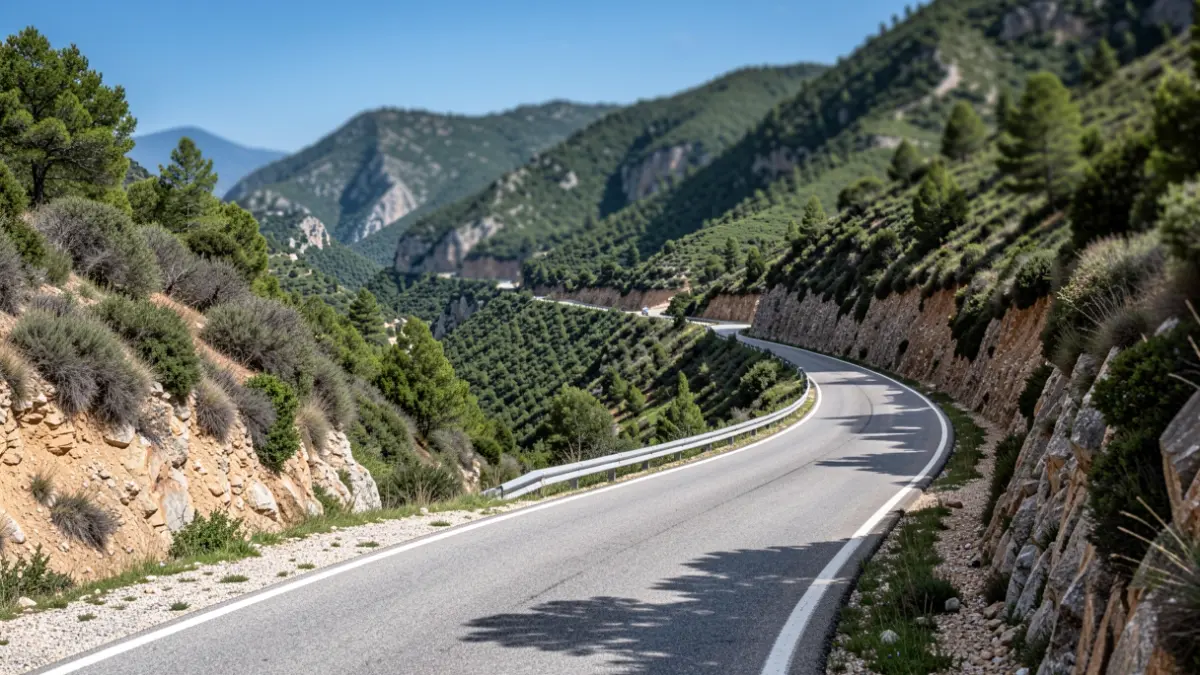
The race, which will be the ninth stage of the Vuelta Ciclista a España, will start from La Vila Joiosa and finish at the Sierra de Aitana, traversing a large part of the interior of the Marina Alta. The route will include eight municipalities from this region, among them Tàrbena, Parcent, Orba, Tormos, Sagra, Pego, L’Atzúbia, and Benirrama.
The president of the Provincial Council of Alicante, Toni Pérez, and the general director of UNIPUBLIC, Javier Guillén, presented the details of this sporting event, highlighting its significant economic impact and its international tourist and media reach, with broadcasts in over 190 countries.
The stage will feature legendary climbs such as the Alto de El Miserat (first category) and the Puerto de Tudons (second category), culminating in the ascent to the Sierra de Aitana, a Vuelta classic returning after a decade.
The race's technical director, Fernando Escartín, described the stage as "extremely tough," with 5,200 meters of elevation gain and six mountain passes, featuring "not a single meter of rest."
“"The Vuelta Ciclista a España returns this summer to our province with an unforgettable stage connecting the coast and the interior, projecting our tourist wealth and our close ties to this sport to the entire world."
Javier Guillén explained that the 5,200 meters of positive elevation gain over 187.5 kilometers make this stage the most demanding in La Vuelta's history. The event will be broadcast in its entirety by RTVE, taking advantage of its weekend scheduling to maximize visibility.