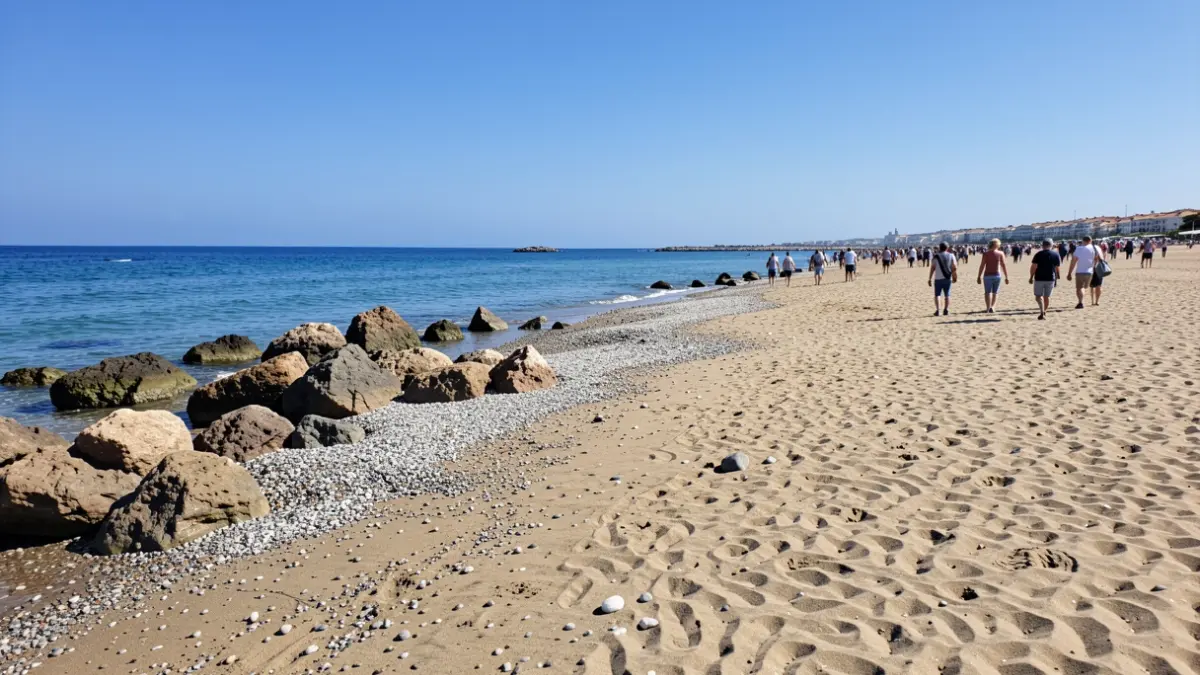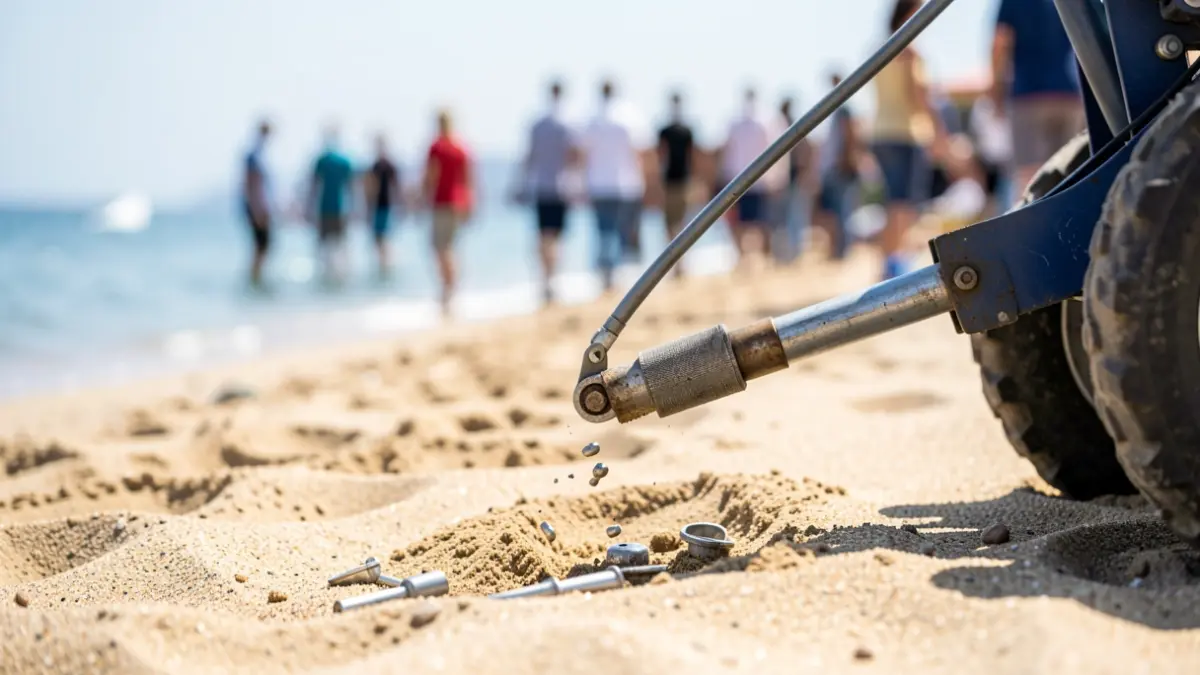
The cleaning of Dénia's beaches, spanning 12 kilometers of sand and 5 of gravel and rock, has been reinforced with a new contract awarded to the company Pavasal. A key innovation is the inclusion of a sifter equipped with a magnet designed to collect metallic objects such as coins, nails, or wires, considered "vile metal" and potentially hazardous to bathers.
This new contract, replacing the previous one in effect since 2012, also includes the construction of a plant for processing collected oceanic posidonia, an infrastructure that was not built under the prior agreement. The facility for this service will be located near Punta Molins beach.
The high season for beach cleaning has been extended this year, starting June 1st and running until September 30th. A team of twenty-three workers will be responsible for maintaining Dénia's entire coastline in perfect condition, utilizing renewed machinery that includes a rake-like "bucket" for removing seaweed and a new truck. The teams are divided by zone: north (les Marines) and south (la Marineta and les Rotes).
Additionally, a street sweeper has been introduced, which will operate three days a week on access roads to the beaches, addressing residents' complaints about sand accumulation.
Regarding oceanic posidonia, the Councilor for Beaches and the Mayor, Vicent Grimalt, have emphasized that it is not waste but a natural phenomenon indicating water quality and marine biodiversity. This summer, sunbed and beach bar concessionaires will display informational posters to educate tourists about the importance of this marine plant. It is noted that in specially protected areas, such as a section at Punta Molins, there are limitations on removing wet posidonia.