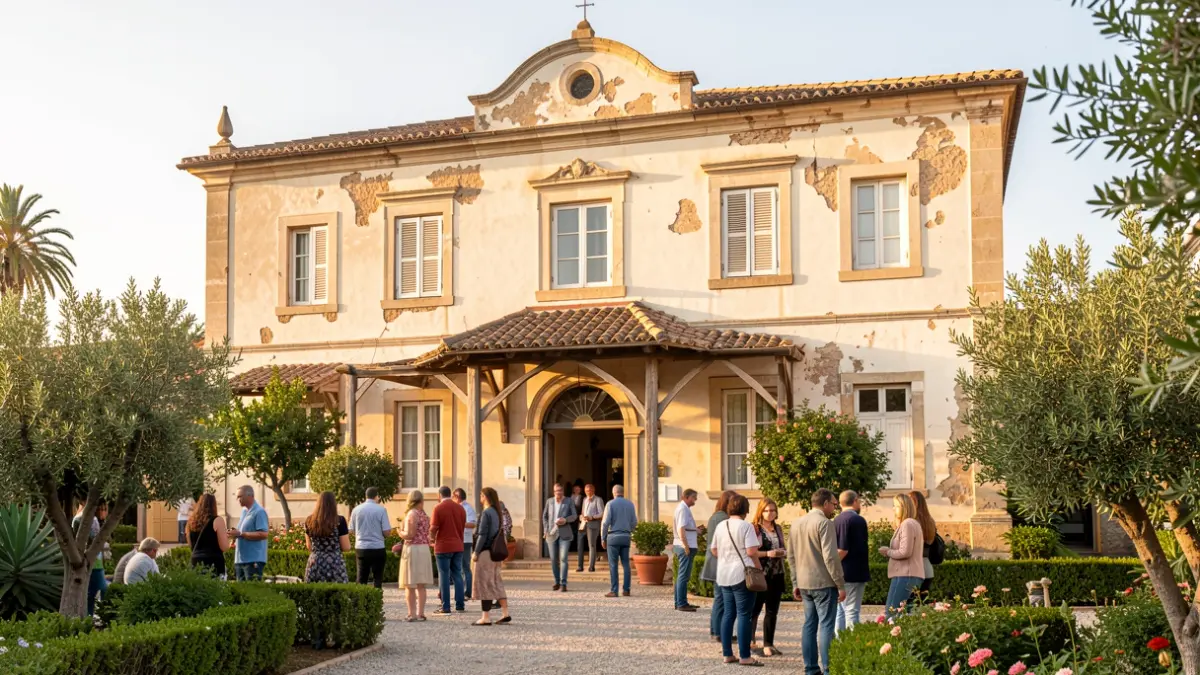
Dénia's university dream becomes a reality with the completion of the rehabilitation works at the old Casa de Torrecremada. This historic 19th-century property will become the campus headquarters, hosting the Gastronomy degree studies from the University of Alicante. Additionally, activities stemming from the agreement between the Dénia City Council and the University of Valencia are planned for the venue.
The Casa de Torrecremada represents more than just a restored building; it is a project for 'the recovery of our memory, our agricultural heritage,' according to the Councilor for Territory, Maria Josep Ripoll. The property stands out for its unique elements, such as its naya, its riurau, and its structure of a ground floor and two upper levels.
Mayor Vicent Grimalt recalled that the project was made possible by a grant from the Ministry of Housing, negotiated in 2003 for the Municipal Library project and the house's rehabilitation. After a period of inactivity, the current government resumed the project, securing a 1.9 million euro grant from the Generalitat Valenciana for the rehabilitation, co-financed by the Dénia City Council. European Next Generation funds have contributed to the furniture and equipment.
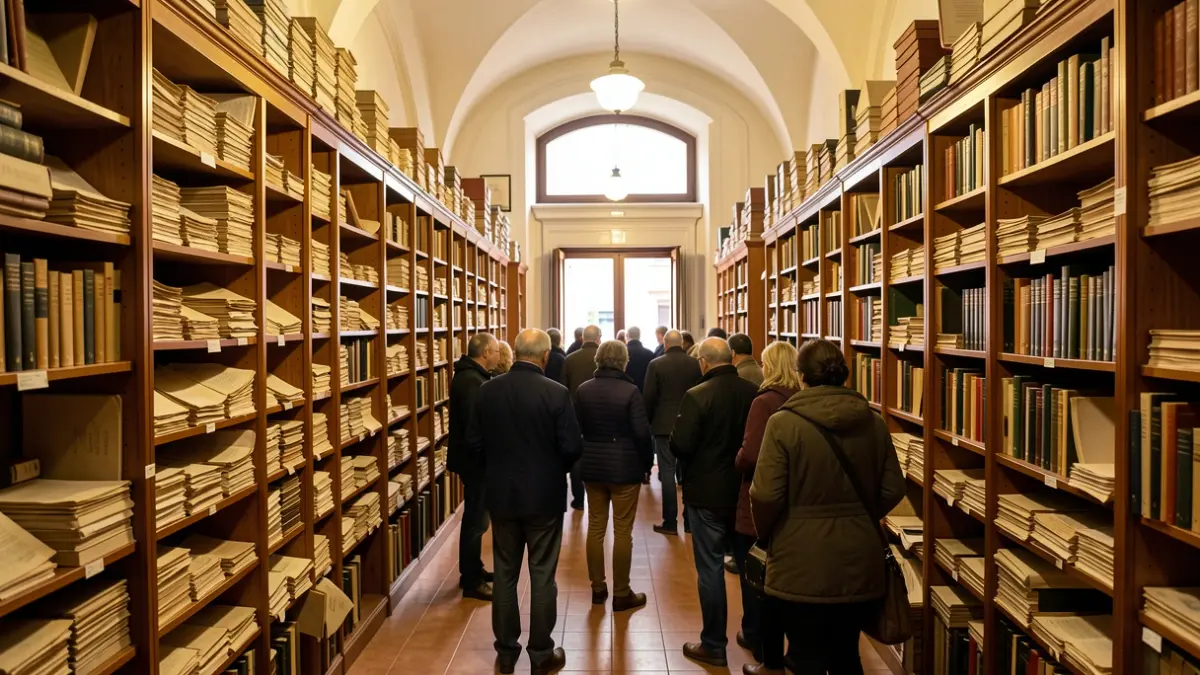
The building's primary use will be educational, featuring two classrooms for training activities and the Gastronomy degree. It will also house the municipal Education department and a library specializing in gastronomy. The Casa de Torrecremada aims to be a meeting point, thanks to its cafeteria with a terrace and its Great Hall, suitable for various events, as well as exhibition spaces.
The rehabilitation has preserved significant elements such as the naya, parts of the original flooring, the oil mill (almazara), and the spiral staircase leading to the turret, integrating the building's history into its new function.