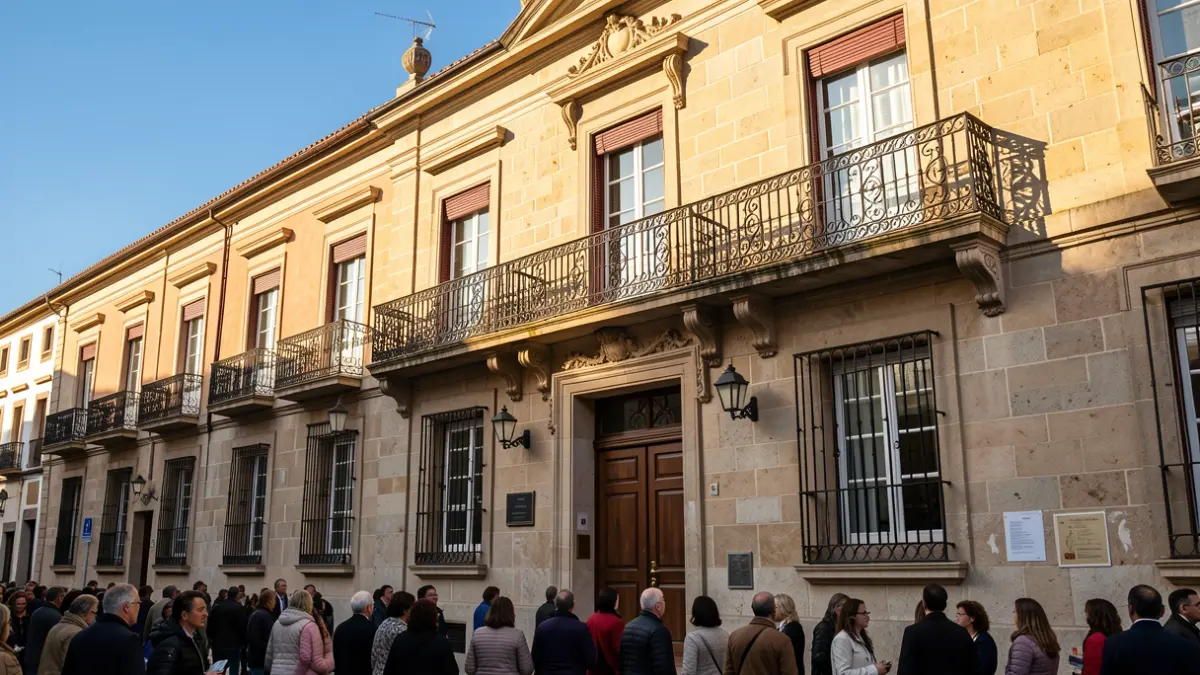
The president of the Alicante Wine Route association, María Miñano, and the mayor of Dénia, Vicent Grimalt, formalized the city's accession to this initiative today in a ceremony held at the town hall. The collaboration aims to consolidate quality wine tourism by highlighting the city's historical relationship with wine.
The Alt de Benimaquia, a key Iberian archaeological site for wine production in the western Mediterranean, is one of the main heritage arguments for this incorporation. Furthermore, Dénia's international recognition as a UNESCO Creative City of Gastronomy reinforces its offering, based on local produce, Mediterranean tradition, and culinary innovation.
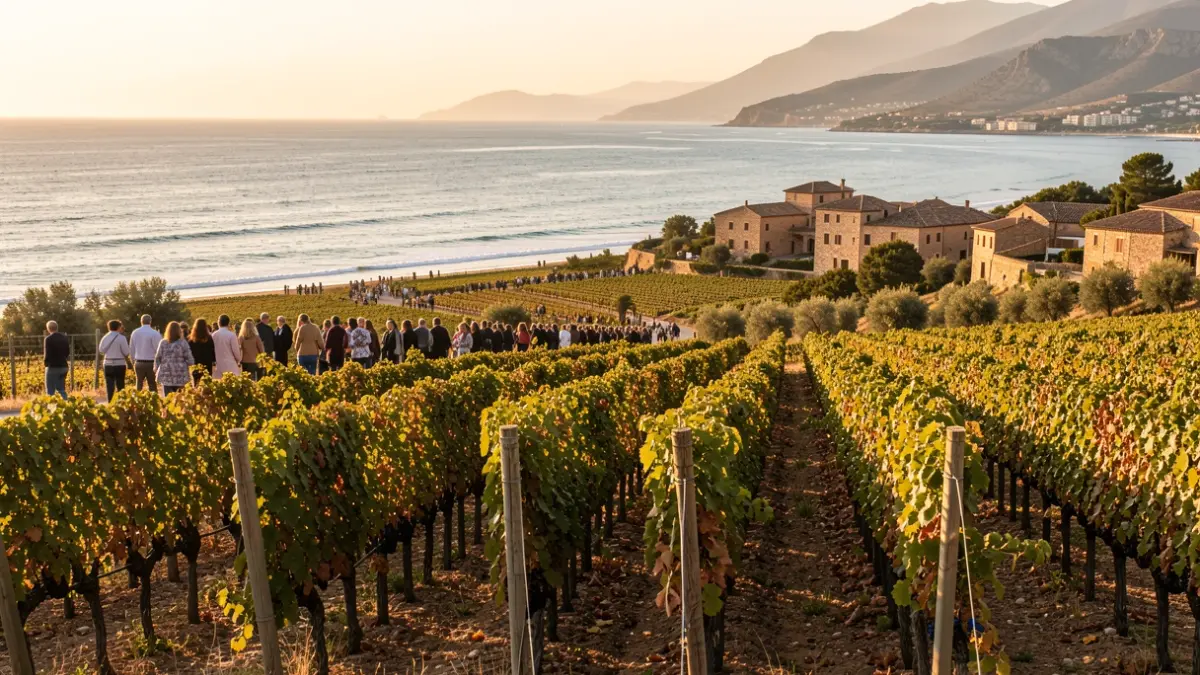
The promoting association believes that Dénia's integration will expand wine tourism experiences, creating itineraries that connect the coast with the interior and strengthening the relationship between municipalities, wineries, and tourism agents of the Costa Blanca. The city offers a unique identity that enriches the overall proposal of the Wine Route.
The Councilor for Tourism, Marta Gascó, emphasized that the accession, approved unanimously on May 28th, is consistent with a model of sustainable tourism rooted in local identity. She recalled that wine is part of the history and the wine-growing landscape of the Marina Alta, and that agents such as Melicatessen and Bodega Les Freses already offer wine-related experiences.
María Miñano Gómez, president of the Wine Route, highlighted the historical relationship between Dénia and wine, where heritage, territory, and tradition converge. She added that wine is currently experienced alongside gastronomy, landscape, and local identity, an experiential ecosystem that Dénia provides.
The Alicante Wine Route, a member of ACEVIN and the Enoturism Federation of the Valencian Community, has over 80 affiliated establishments. Dénia is the eighteenth destination to join this network, which already includes municipalities such as la Vall de Pop, l’Alfàs del Pi, Villena, and Elx.