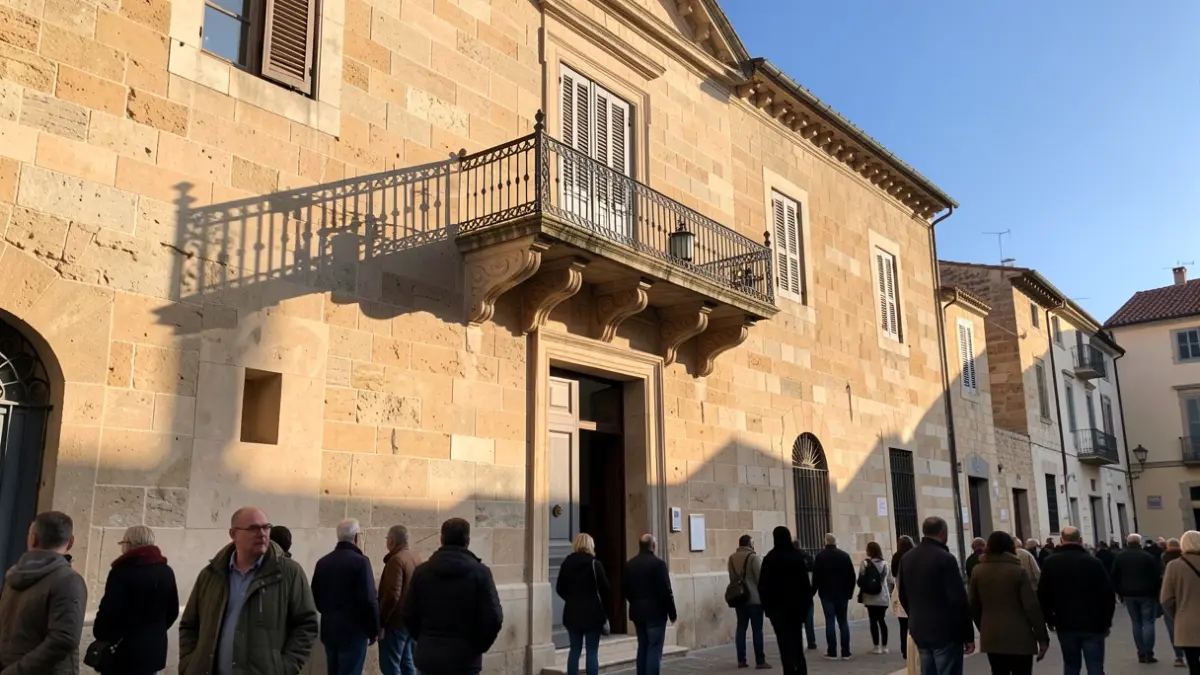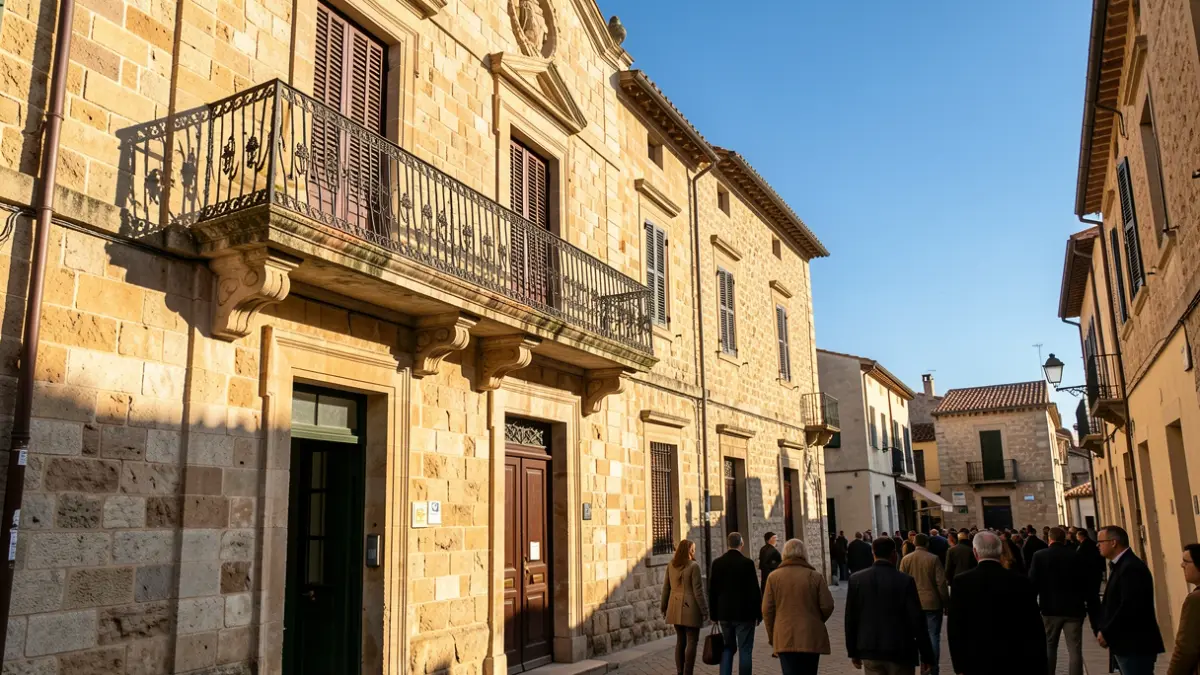
The institutional conflict between the Xàtiva City Council and the Generalitat Valenciana over the stalled Palace of Justice has intensified. The municipal government, led by mayor Roger Cerdà, has responded forcefully to the Ministry of Justice and the local Popular Party, technically dismantling the land proposals presented as an alternative to the Reial Convent de Santa Clara. A municipal report concludes that none of the plots proposed by the regional administration are viable.
In response to accusations of "immobility" from the PP spokesperson in Xàtiva, Marcos Sanchis—who defends the Ministry's decision to seek new locations with a budget reserve of 2.6 million euros—the council has revealed the reasons why it considers the alternatives to be an "urbanistic fiction." According to the City Council, none of the proposed sites have the necessary zoning to house a judicial headquarters.
Xàtiva City Council has detailed the legal status and current use of the plots that minister Núria Martínez intends to use to justify abandoning the Santa Clara project, which already had an architectural design and a granted license. The proposed alternatives are:
- Environment of the Elderly Residence, CRIS, and CEEM: A plot currently serving as essential parking for these facilities and hosting local fairs.
- Area of the municipal volleyball pavilion: A site linked to this sports facility, used as parking and a venue for recreational activities.
- Mesquita Sector: Plots exclusively reserved for necessary sports, educational, and cultural uses in an expanding urban area.
- Environment of the Elderly Residence, CRIS, and CEEM: A plot currently serving as essential parking for these facilities and hosting local fairs.
- Area of the municipal volleyball pavilion: A site linked to this sports facility, used as parking and a venue for recreational activities.
- Mesquita Sector: Plots exclusively reserved for necessary sports, educational, and cultural uses in an expanding urban area.
The council accuses the Generalitat of dismantling essential public services to cover up a purely political decision, calling the operation propaganda that would further delay the construction of the new judicial headquarters.
Mayor Roger Cerdà lamented that the local PP acts more as a spokesperson for the Ministry than as a representative of Xàtiva's residents. He recalled that Santa Clara has technically validated land, freely ceded and ready for construction, while the Generalitat claims millions in reserves without specifics. Cerdà described the PP's discourse on the Generalitat's investment commitment as "cynical," noting that Xàtiva has received "zero euros" in major strategic investments since the Popular Party came to power in the Consell.
The City Council proposes the immediate formation of a working group involving technicians from both administrations and the project's drafting team to compel the Generalitat to abandon excuses and finally execute the Palace of Justice that the city and its judicial district deserve, without subjecting Xàtiva's future to unviable plots or political power struggles from Valencia.