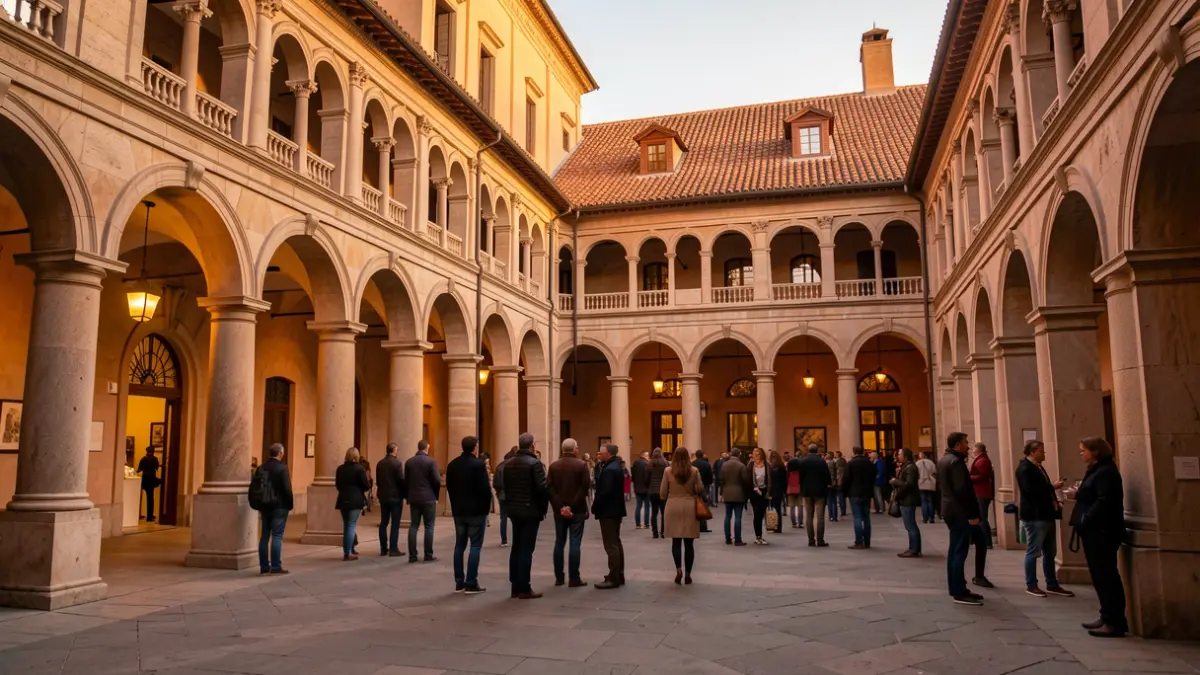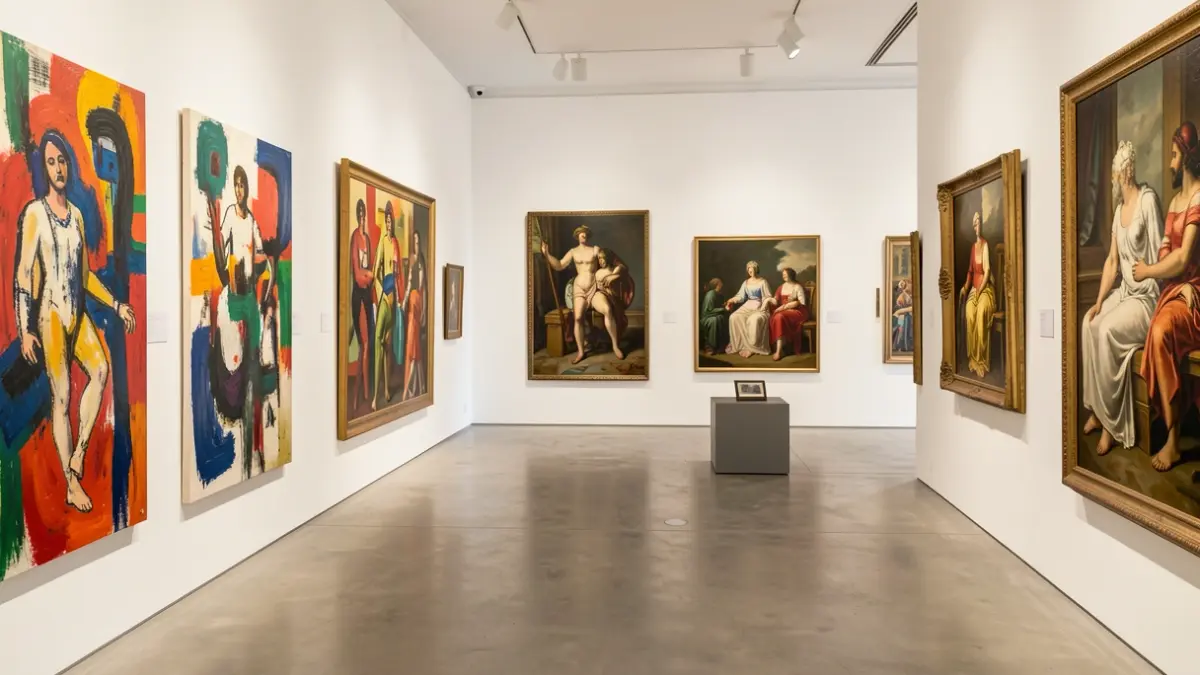
The Municipal Exhibition Hall in Valencia has opened its doors to 'ALTRES', a project available from today, June 26, until November 29, 2026. This exhibition offers a documentary and historical journey into the impact of the 'Els altres 75 anys de pintura valenciana' exhibition. This civil initiative, launched by the Col·lectiu de Pintors del País Valencià in 1976, served as a strong and critical response to an official anthology of Valencian art promoted by the local administration the previous year.
The artistic context coincided with the end of the dictatorship and the early stages of the transition, a period when Valencian creative professionals and gallerists coordinated to demand profound changes, including participatory avenues and the democratization of culture. Marta López Ricarte, head of the Museo de la Ciudad, emphasized the importance of understanding history in its real coordinates to measure collective progress.
The exhibition design does not aim for a precise recreation of events but rather an approximation through fragments. A key attraction is the direct confrontation between five canvases created by the dissident collective in 1976 and three major works by Joaquín Sorolla, Ignacio Pinazo, and Antonio Fillol from the 1975 institutional selection, visually illustrating disputes over artistic legitimacy and public representation.
Visitors can examine works by prominent figures of last century's abstraction and figuration, including pieces by Jordi Teixidor, Javier Calvo, Juana Francés, Rosa Torres, Juan Genovés, Antoni Miró, Artur Heras, Anzo, Arcadi Blasco, Hernández Mompó, Josep Renau, Rafael Armengol, Equipo Crónica, and Eusebio Sempere.
The exhibition includes specific sections for press documentation and audiovisual records featuring the experiences of surviving creators and critics, alongside contributions from current cultural managers such as Pablo González Tornel, Lydia Frasquet, José Martí Martínez, and Ramón Esteve.
The exhibition is free and accessible at the Ayuntamiento facilities, via Arzobispo Mayoral street. Visiting hours are Tuesday to Saturday from 10:00 AM to 2:00 PM and 3:00 PM to 7:00 PM, while on Sundays it is open only in the morning from 10:00 AM to 2:00 PM. The venue is closed on Mondays.