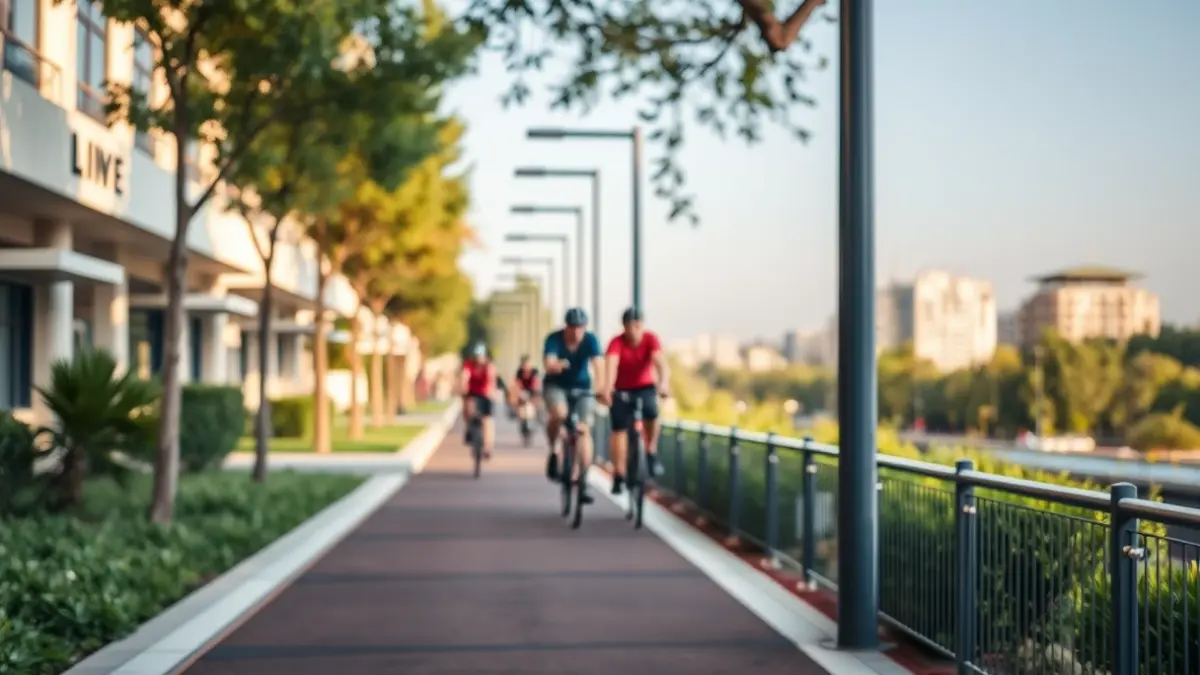
This growth is attributed to citizens' commitment to sustainable mobility, increased tourism, and the expansion of the bike lane network. Now, the city council aims to enhance the quality of the infrastructure and implement changes requested by residents through participatory budgets.
“"The improvement of infrastructures has greatly helped in the nearly three years we have been in office. We have built twenty kilometers of bike lanes."
Among the busiest bike lanes are Xàtiva street, with over 6,500 daily users, and Guillem de Castro, nearing 5,000. However, users complain about confusing signage and the high speed of electric scooters, which share the lanes. Some sections also require updates.
One of the planned improvements is for the bike lane section on Avenida del Puerto, between Manuel Candela and Serradora. The idea is to separate the bike lane from the sidewalk and move it to the roadway to enhance cyclist safety, a well-received measure given the high pedestrian traffic on that avenue. One section has already been moved to the roadway, and the City Council is now preparing a project to do the same for the rest of the road, to be executed in phases.
Regarding the municipal bicycle service Valenbisi, it will be expanded with an additional 500 bicycles and more stations, thanks to the contract extension until 2030. This alternative has also broken records, especially since the introduction of the daily ticket, very popular among tourists, and registered one million uses in 2025.