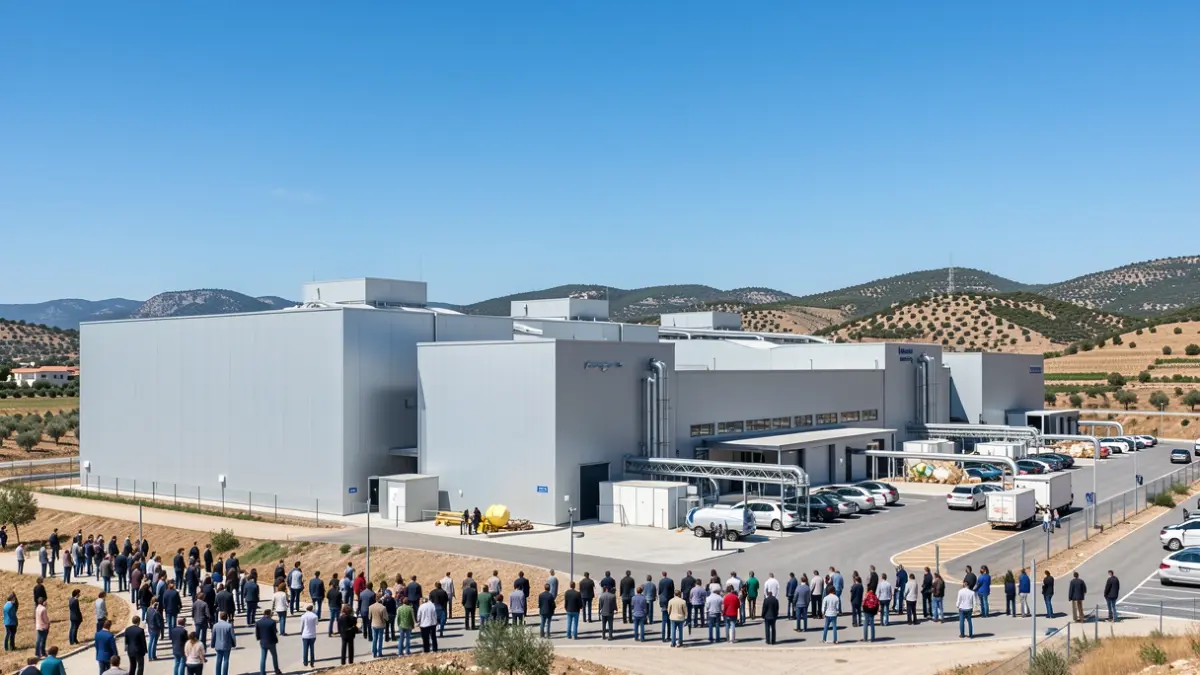
The third vice-president and regional minister of Environment, Infrastructure, Territory, and Recovery, Vicente Martínez Mus, has visited the new bulky waste treatment plant in Llíria. This infrastructure, promoted by the Consorcio Valencia Interior (CVI), represents an investment of approximately 6 million euros and will allow "advancing towards a waste management model based on the circular economy, preparation for reuse, and waste reduction," as highlighted by Martínez Mus.
The minister emphasized that the facility represents "a decisive step to leave behind the old linear model of use and throw away and align with European recycling and valorization objectives." The initiative is part of the aid program for the construction of new preparation for reuse and recycling facilities promoted by the Generalitat through the Directorate General for Environmental Quality and Education and financed by the European Union with Next Generation EU funds, within the Recovery, Transformation, and Resilience Plan.
The new bulky waste facility is one of the most significant investments by the CVI in modernizing environmental infrastructure. It will increase the recovery and valorization of bulky waste, reduce the volume sent to landfills, promote the reuse of furniture and belongings, optimize material separation and classification, and improve the environmental and economic efficiency of waste treatment. Each year, the Consortium receives nearly 12,000 tons of bulky waste (furniture, mattresses, bed bases, doors, wood, and other large items), which previously went mainly to landfills.
It will now be possible to identify useful items, condition them, and extend their lifespan through review, repair, and restoration processes. It is estimated that the CVI will process 13,000 mattresses in the new facilities. The minister stressed that "today we consolidate a model where urban waste, managed intelligently, ceases to be a burden and becomes a valuable resource that can return to the productive system." The objective is to move towards a minimum waste model through the recovery of high-quality materials and their reintegration into production processes.
We do not want to bury resources that can have a second life. We want to recover materials, utilize secondary raw materials, and generate new economic and environmental opportunities.
During the inaugural ceremony, the president of the CVI, Francisco Gómez, highlighted that these facilities "represent a paradigm shift in management, as we are talking about preventing many products from prematurely becoming waste." For his part, the director of treatment for the Valencian Community, Murcia, and Castilla-La Mancha of Urbaser, Ignacio Gómez, emphasized that these new facilities "mark a milestone in technical waste management, through preparation for reuse and maximizing material recovery."
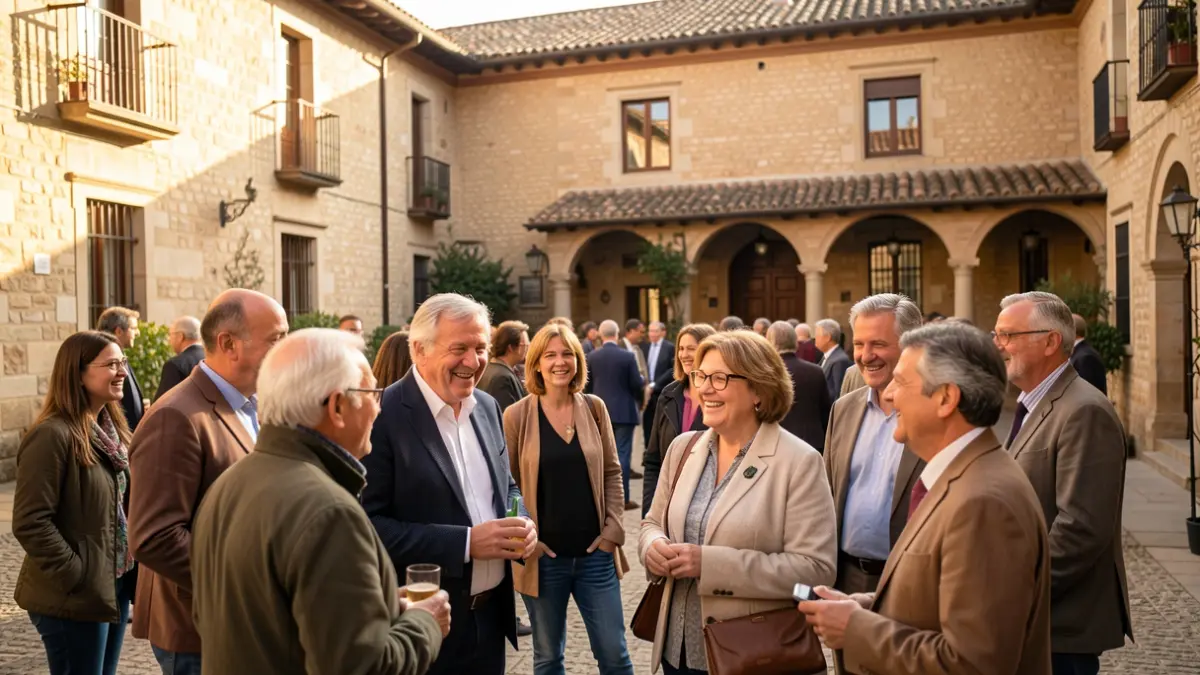
The event was attended by the regional secretary of Environment, Sabina Goretti Galindo, and the director general for Environmental Quality and Education, Jorge Blanco, as well as various municipal representatives led by the mayor of Llíria. All acknowledged the collaboration between the Generalitat, the European Union, and the CVI. "The Valencian Community is at the forefront of implementing facilities, demonstrating the capacity to transform European funds into useful investments for citizens and the territory," concluded the vice-president.