
On the occasion of World Prostate Cancer Day, specialists from Hospital Quirónsalud Torrevieja highlight radical prostatectomy as one of the most effective treatments for localized prostate cancer. This surgical intervention involves the complete removal of the prostate and, typically, the seminal vesicles, with the aim of eliminating the tumor before it spreads.
In recent years, the incorporation of Da Vinci robotic surgery has revolutionized this procedure, enabling interventions with millimeter precision and better functional outcomes for patients. "Radical prostatectomy has a curative objective and is particularly indicated in patients with localized prostate cancer, when the disease is still confined to the prostate gland," explains Dr. Sven Petry, a specialist in the Urology Service and an expert in Robotic Surgery.
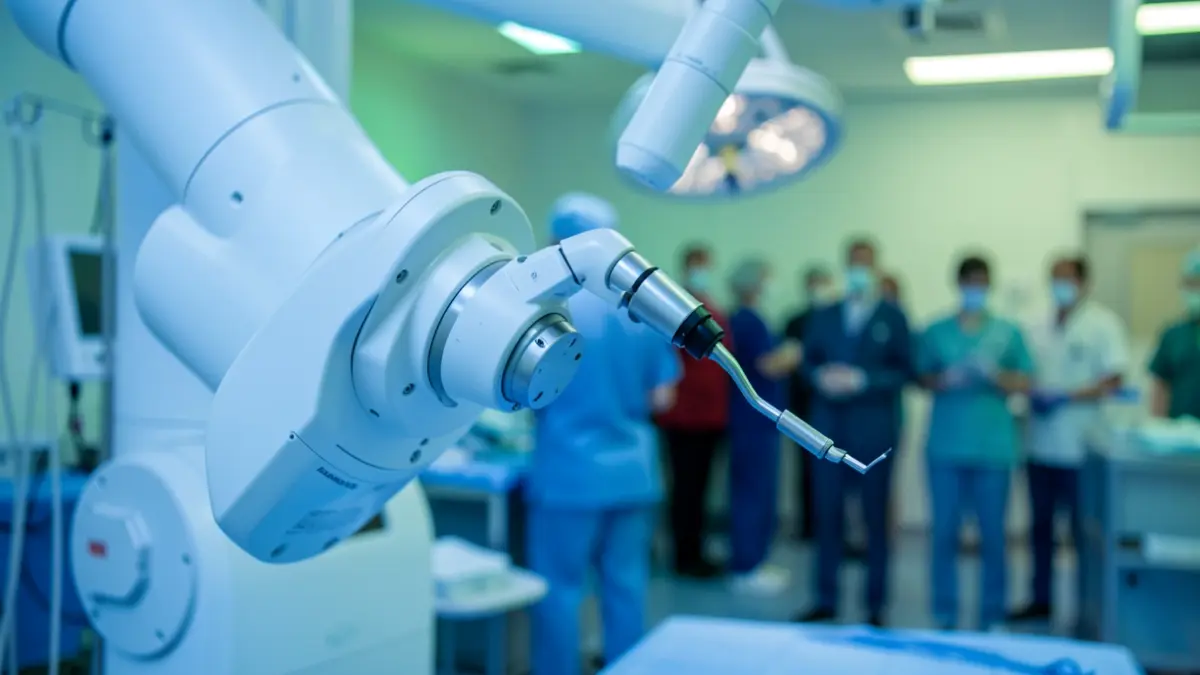
Traditionally, this procedure was performed through open surgery, requiring a large incision and a longer recovery period. The advent of laparoscopy marked a significant advancement, but it has been robotic surgery that has elevated surgical precision to a new level. The Da Vinci system allows the surgeon to control a series of robotic arms from a console that replicate their movements in real-time, eliminating natural hand tremor and providing a high-definition three-dimensional view of the surgical field.
"Thanks to this technology, we can perform much more precise movements and better preserve the anatomical structures surrounding the prostate," notes Petry. One of the aspects that most concerns patients is the potential for side effects related to urinary continence or erectile function. The precision offered by the Da Vinci system facilitates the identification and preservation of nerves and structures responsible for these functions, contributing to improved functional recovery.
"One of the major benefits of robotic surgery is that it allows us to work with extraordinary precision in very delicate areas, promoting better functional preservation whenever the tumor characteristics permit," highlights the urology specialist.
Among the main advantages of robot-assisted radical prostatectomy is the reduction of surgical trauma due to small incisions. This translates into less postoperative pain, a lower risk of complications, and a faster recovery. Reduced bleeding during the procedure and shorter hospital stays allow many patients to regain their autonomy sooner and return to their daily activities more quickly.
"The patient usually notices the difference from the first few days after surgery. Recovery is faster, and the physical impact of the intervention is considerably less than with traditional techniques," states Petry.
Quirónsalud's commitment to technological innovation is based on an care model that prioritizes patient well-being above all else. The Group continuously incorporates the most advanced equipment for early diagnosis and minimally invasive treatments, consolidating precision medicine that offers greater safety and speeds up recovery times.