The fanzine offers a unique definition for each artist and reader. For creators like Angie de la Lama, it's a form of expression to portray their lives. The Valencian collective Ediciones Humilladas sees it as a space to laugh at the world and its misfortunes, while artists like Cris consider it a medium to reclaim identity.
Cris, behind the editorial project Cutterfs (a wordplay derived from the expression “cortar tránsfobas” – to cut out transphobes), views the fanzine as a tool to “bring queer history and memory closer in an accessible, relatable, and easily shareable way”. Its simple and portable format facilitates circulation, fostering community creation and shared knowledge networks. Being self-published, its reduced cost barely covers production expenses, making it a means to strengthen bonds and generate conversations.
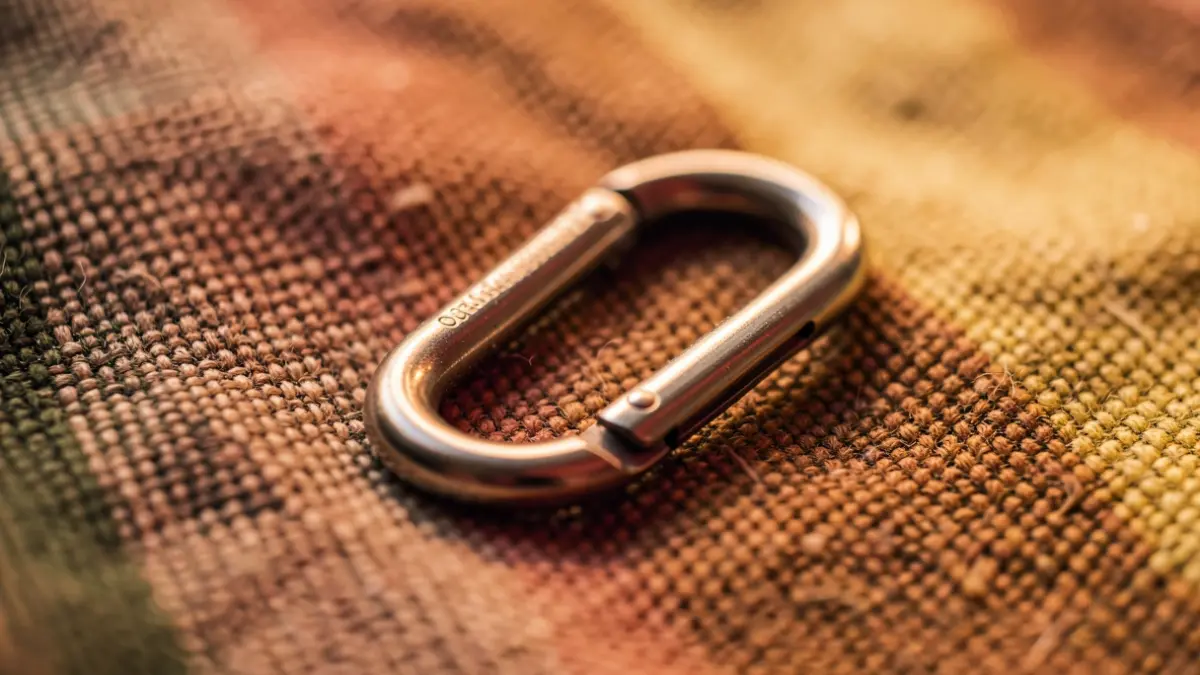
Two of their works, Trans x trans and Mosquetó, explore the empowerment of the LGBTIQ+ community through symbols like trucks and carabiners. Cris aims to dialogue with queer memory and history, using historical references that have served to identify, recognize, and collectively resist, from flags to iconography of the bollera, trans, and non-binary culture.
The ultimate goal of this self-publishing project is to foster community and a sense of belonging, creating a safe space for everyone. The fanzine Trans x trans, for instance, addresses queer identity through the image of the truck, transforming insults like “camionera” (trucker) directed at lesbians into symbols of resistance and pride.
The appropriation of symbols, spaces, and stories is a form of resistance that involves returning them their own meaning, woven from experiences and affections. It's about transforming the alien, turning margins into meeting points, and leaving a mark.
The Mosquetó project, like Trans x trans, uses the carabiner as a symbol. Cris finds in these elements a place to generate meeting points for the community. Symbols are “small traces that some people leave for others to find”, becoming refuges, nods, or the certainty of not being alone. A carabiner or a truck can hold lives, memories, and affections, helping to recognize each other and weave community.
This vision becomes complicity and a meeting point when shared. Cris analyzes, studies, and cuts with their cutter to create the pages of their works, published in Valencian and using neutral language as a tool for inclusion and representation, aiming for anyone to feel identified and welcomed.