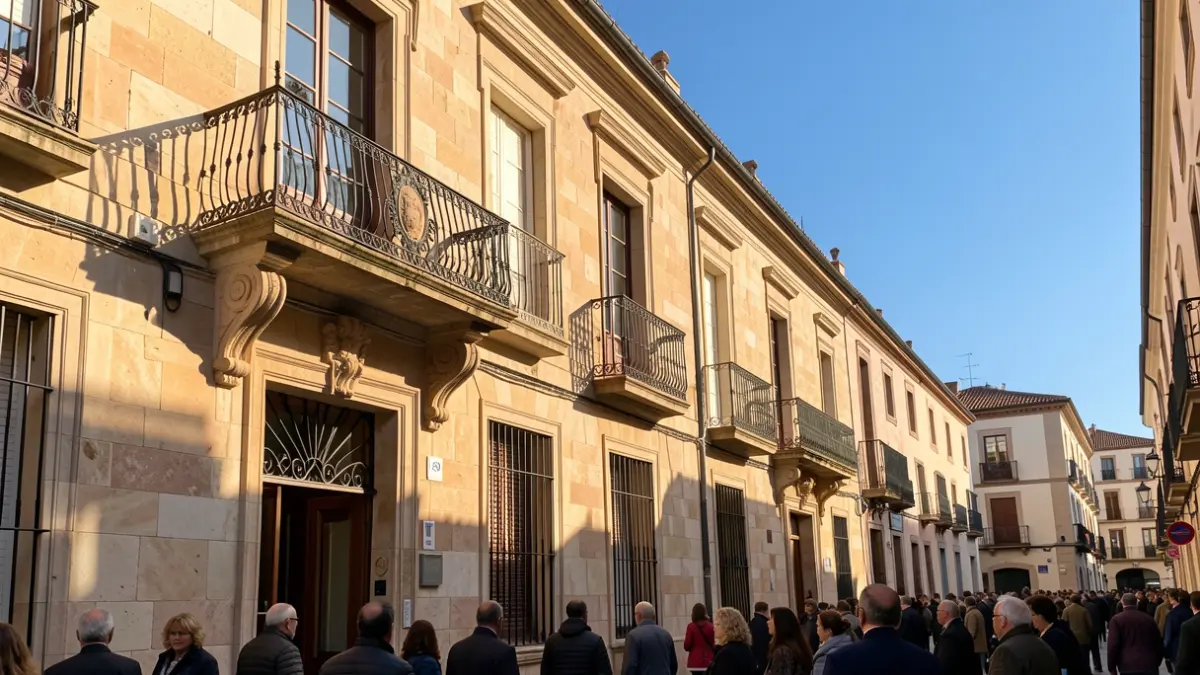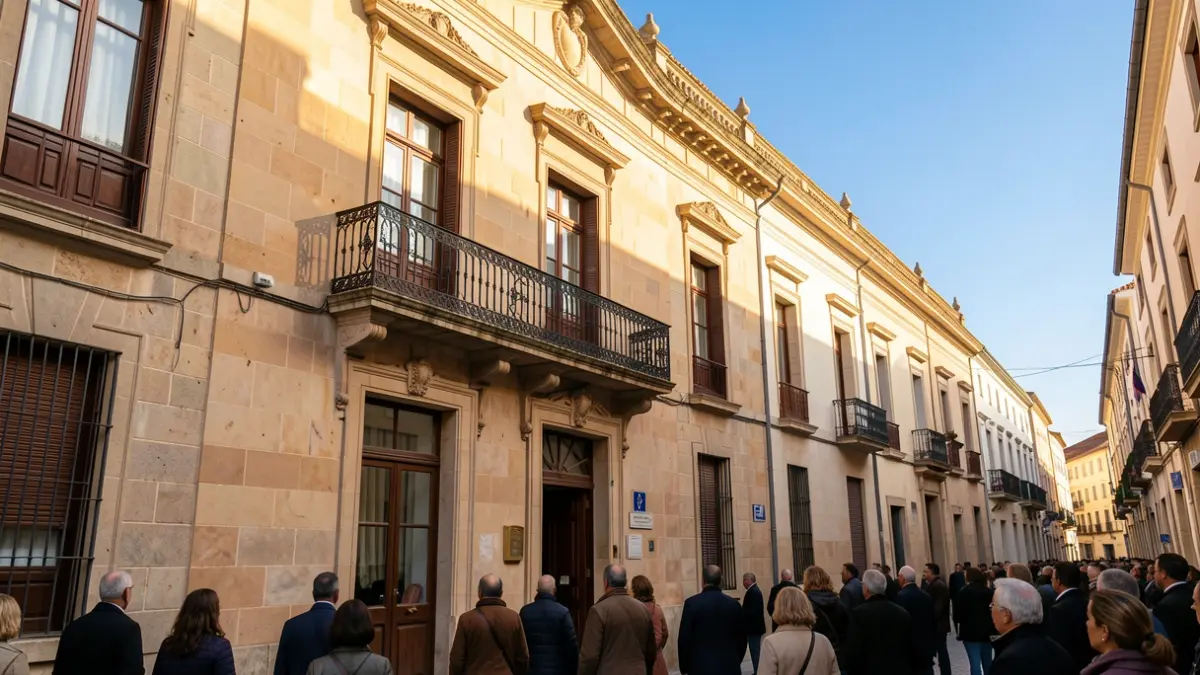
Despite this morning's downpour, teachers encamped in València's Plaça de la Mare de Déu have resumed their activities. The encampment, called by striking teachers, functions as an organized microcosm, with commissions for communication, food preparation, manifesto writing, radio broadcasting, and maintaining the square's cleanliness, reminiscent of the 15-M spirit.
Andrés, a teacher at CEIP Vicente Nicolau in Manises, laments the Ministry's lack of negotiation willingness, stating, "They are delaying it because they don't want to negotiate. They put on a bit of a show, they pretend to negotiate." Laura Pérez, a teacher in Cullera, shares this sentiment, emphasizing that the motivation for the strike remains intact: "We will be here until they negotiate. This is a very impactful movement and perhaps it will be the impetus for the minister to listen to us and engage in real negotiation."
The square fills with activity as the sun rises, including musical performances and the presence of media outlets. The celebration of the Corpus Christi, with its seven hundred years of tradition, is approaching, and the teachers have formed a commission to make their demands compatible with the festival, although they urge minister Ortí to decide to negotiate.
Beatriz Gómez, a therapeutic pedagogue at the Virgen de la Esperanza center in Xest, highlights the encampment's organization as a social movement. In a statement, the commission expresses its willingness to collaborate with the Corpus organizers and hopes the Ministry of Education will agree to speak with teachers and unions to open an adequate dialogue.
Pedro Esquerdo, a teacher at IES el Cabanyal and a member of the coexistence commission, stresses that pressure on the ministry depends on its willingness to negotiate. He also mentions the proximity of the Roques, Corpus figures, and expresses the desire to experience the festival up close without disrupting it.
Joan, a teacher from IES Torrevigia in Torrevella, who recently joined the communication commission, points out similar problems across the country, such as staff shortages and high student-teacher ratios. He calls for negotiation "with enthusiasm" and for new proposals to be presented.
Pepe Ruiz, head of the strike's radio and a geography and history teacher at IES Henri Matisse in Paterna, explains they set up the radio to cover the movement due to the lack of attention from conventional media. He insists on the need for "honest" negotiation by minister Carmen Ortí, asking her to "Give public education what it needs and raise our salaries."
Marc Candela, head of STEPV, visits the encampment and emphasizes that "anything that helps put pressure on the administration is welcome." He highlights that the responsibility to resolve the conflict lies with the administration if it wishes to avoid the continuation of the protests.
Retired teachers like Empar Martí and Isabel Esteve show their support. Martí laments pessimism about negotiations, while Esteve criticizes the "ruling class" and the Consell for their "uselessness and irresponsibility." The square fills with chants, with a unanimous cry: "Minister, resign."