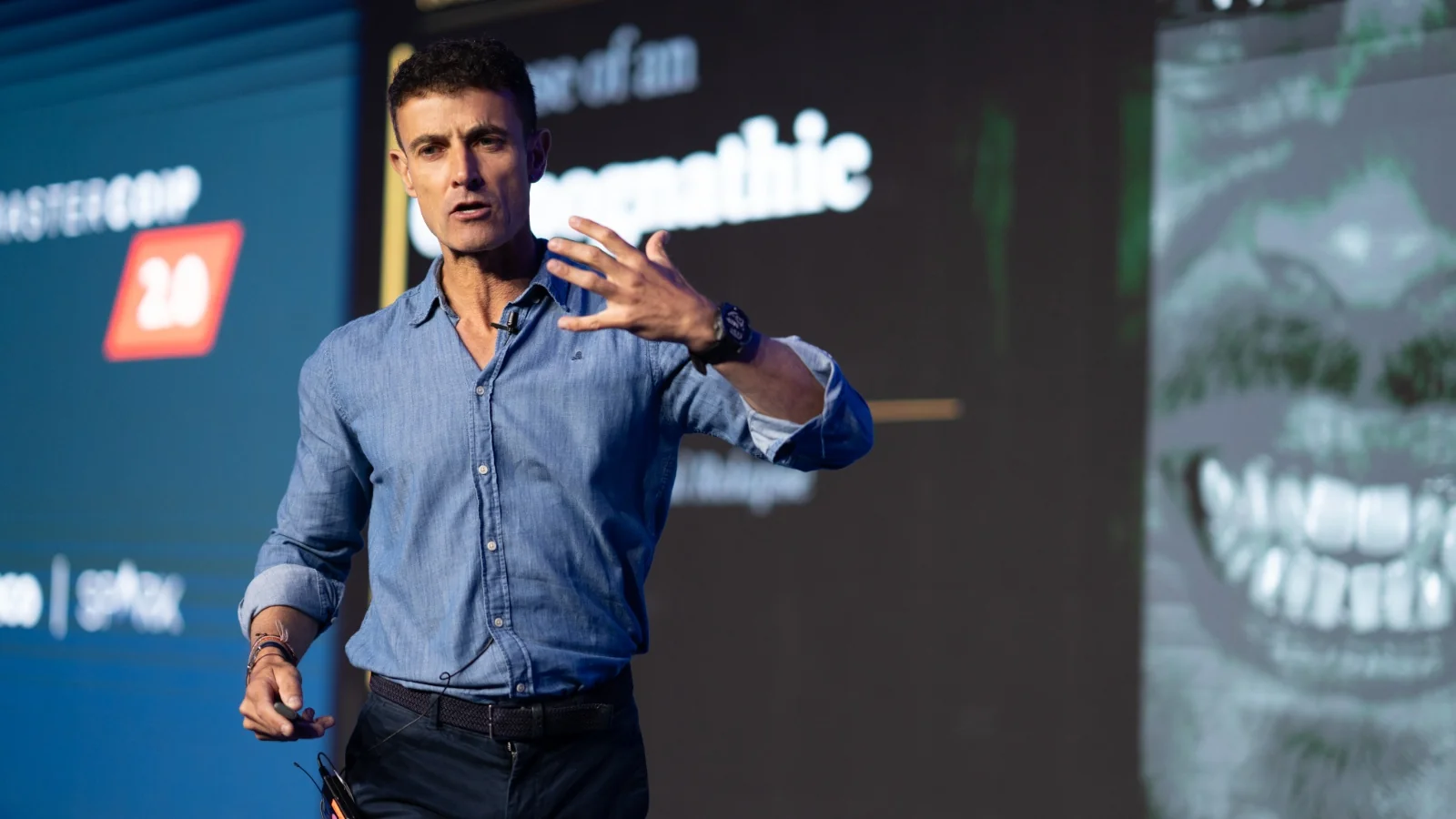
The meeting, held at the professional college's headquarters, brought together representatives from both entities with the aim of exploring avenues for collaboration in the social, economic, and cultural spheres. The diocesan delegation was led by the bishop, Mons. José Ignacio Munilla, accompanied by the vicar general, Don Bienvenido, and the diocesan treasurer, Don Félix Tormo. Representing the College of Economists was its dean, Don Francisco Menárguez García, along with members of the governing board and sector professionals.
During the opening, the welcome was acknowledged, and the importance of fostering meeting spaces to promote common projects aimed at serving society was emphasized. One of the central themes of the day was transparency in the Church's economic management, presented through the annual magazine Nuestra Iglesia, which details pastoral and social activities, as well as income and expenses.
A video was shown illustrating the extensive social and pastoral work carried out by the Church in the diocese, as well as its human, economic, and cultural impact. It was recalled that, according to the Annual Report of Activities of the Catholic Church in Spain for 2024, for every euro invested by the Church in its pastoral, social, and cultural mission, 1.65 euros are generated in the Spanish economy.
The campaign Por Tantos was also explained, which allows taxpayers to freely allocate 0.7% of their personal income tax to the Catholic Church by marking box 105. It was stressed that marking the Church's box does not mean paying more or receiving less, and it is compatible with the box for other social purposes.
Mons. Munilla delved into the ethical and legal basis of the tax allocation system, highlighting it as an expression of freedom and social co-responsibility. He underscored the Church's internal solidarity model, which supports the diocese and numerous pastoral and social initiatives. He also valued less visible but fundamental actions such as spiritual and human accompaniment to those suffering, pastoral listening, and the work of centers like the Cotolengo and the Comunitá Cenacolo in Ibi, which sustain their activities through providence and the generosity of many people, without receiving state financial aid.
The meeting concluded by reaffirming the shared commitment to continue strengthening collaboration between the diocese and the College of Economists for the common good and social development of the province of Alicante.