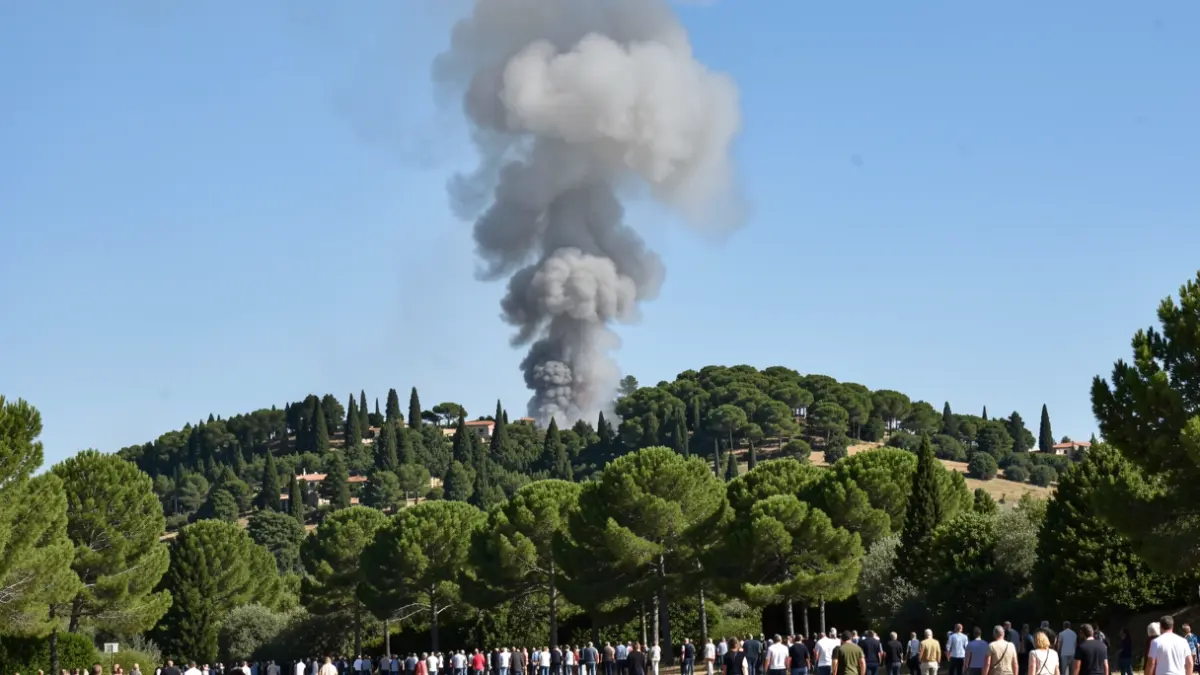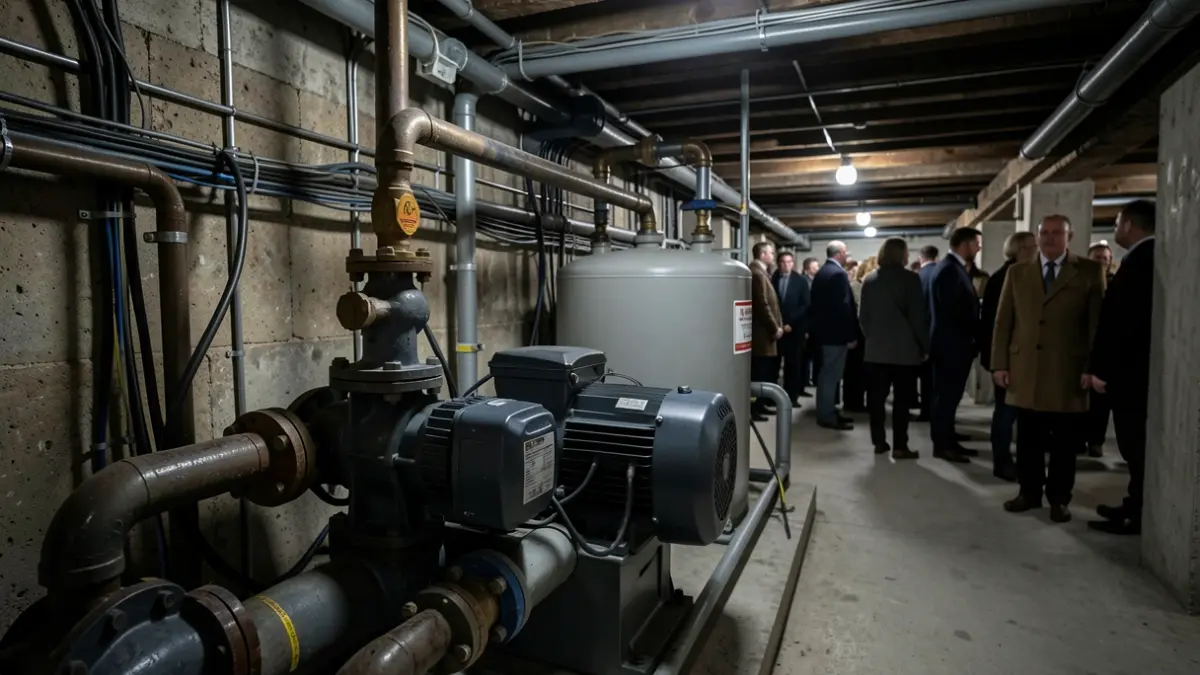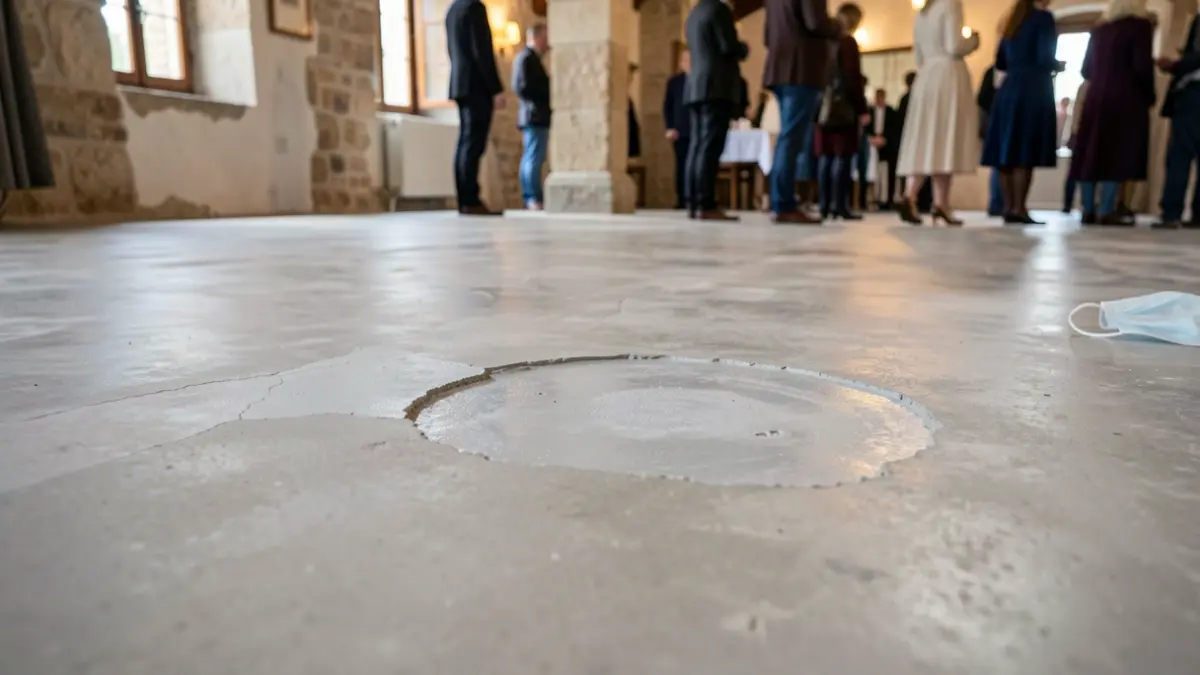
The main suspect in the murder of Jesús Tavira hired a professional to paint the house just days after the crime. The worker testified before the judge that his client specifically insisted on painting the floor of the old cistern in a house in El Bacarot, a rural area of Alicante, where the victim's body was eventually found, buried two meters deep. The witness expressed his surprise at the request, considering it unusual for his profession.
The painter stated that during the work, the area emitted such a nauseating odor that he was forced to wear a mask. Jesús Tavira disappeared on the morning of March 18th, and his body was not found until more than forty days later, hidden under debris and concrete. The suspect contacted the painter on March 20th, two days after the businessman's death, with the initial request to paint the entire house, paying attention to the floor surface.
A police intervention to question the suspect about Tavira's whereabouts temporarily halted the work. When the painter resumed the task, he discovered that his client had already continued painting a large part of the house, leaving only the section of the floor hiding the victim's body unfinished. During his time there, the witness perceived a very strong and unpleasant smell, forcing him to wear a mask.
Among the four detainees for the crime is an Algerian couple who lived in the house. The husband had worked for Tavira and had disputes over unpaid wages and social security contributions, a conflict that had gone to court for over 7,000 euros. Tavira's family has confirmed these conflicts, although they clarified that no agreement was ever reached. The police investigation suggests the combination of this labor dispute and another related to the house rental as possible motives for the crime.
The homeowner was a key witness, indicating that the cistern area had been modified and its access hatch had disappeared, replaced by a concrete slab. The investigation suggests that Tavira was lured to the house under false pretenses and murdered upon entering. The speed of the crime and the work done to hide the body suggest prior planning and a coordinated logistical team.
Jesús Tavira's figure was linked to a high-profile case in Alicante, known as 'the key witness in the Sala case.' Although the investigation has currently ruled out a connection between the two crimes, Tavira testified up to five times in the investigation into the murder of the widow of the former president of CAM, Vicente Sala.