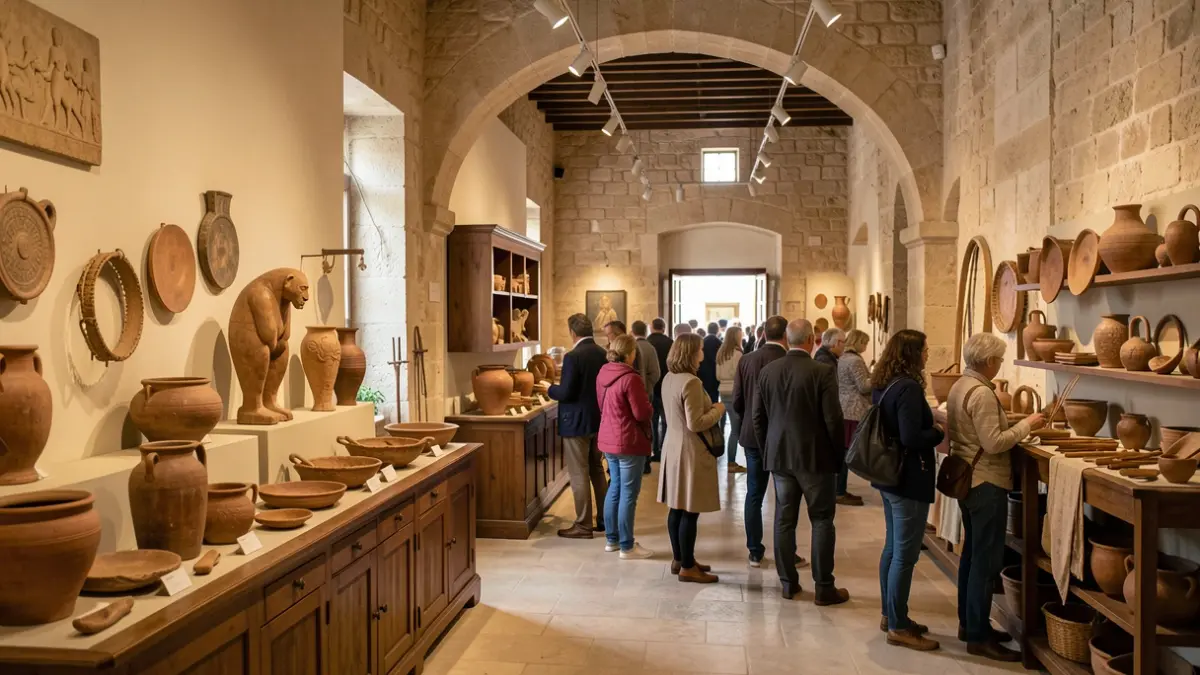
The Municipal Archive of Alicante has opened a unique exhibition in its windows on Labradores street, exploring the presence of Don Quixote de la Mancha in the history of the Hogueras de San Juan. The exhibition gathers a selection of photographs of bonfires, barraca covers, and 'llibrets' that have incorporated the famous knight, his squire Sancho Panza, or even the author, Miguel de Cervantes, since 1929.
The Councilor for Culture, Nayma Beldjilali, has invited the public to visit the exhibition to discover this curious link between Cervantes' masterpiece and the Alicante festival. The exhibition, which can be visited until July 5th, is complemented inside with panels dedicated to the maestro Luis Torregrosa, composer of the Hogueras anthem, as well as photographs and documents from editions 50 years ago.
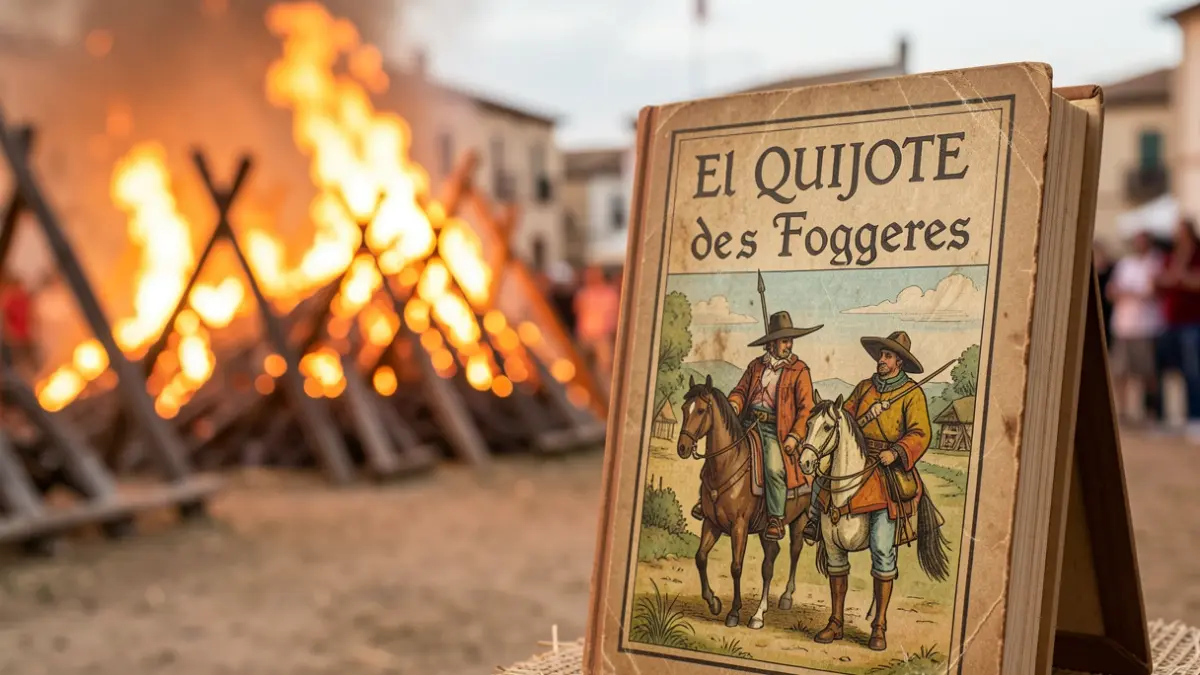
The connection between Cervantes and the night of San Juan originates in chapter 61 of Don Quixote de la Mancha, which describes the protagonists' arrival at the beach in Barcelona on the eve of San Juan. This literary mention has served as a link to the Alicante festivals, which were officially established centuries later, and has led to the figure of Don Quixote appearing recurrently in monuments, 'llibrets', and barraca covers since the early days of the Hogueras.
The exhibition highlights numerous Quixotic references over the years, such as El Quijote de les Fogueres by José Marced (1929), El monument a Cervantes by Pepe Amat (1930), or the Hoguera Plaça de les Monjas from 1934. Works by José Pérez Gil (1941), Pantoja y Baeza (1941), Pantoja's Mercado Central hoguera (1949), Somos Así by Jaime Giner Palacios (1952), and Pasado y presente de la urbanidad by Ramón Marco (1953) are also recalled.
The presence of the Cervantine myth continues with works such as El sueño by Juan Capella Guillén (1957), Don Quijote y la actualidad by Remigio Soler (1960), and Descubridores by the same artist (1963). In later decades, references are found in the hoguera by Francisco Granja Velázquez (1968), the cover of the Block i Mostres barraca by Luis López Sarabia (1972), and that of the 'llibret' from the Así no fem res barraca (1973).
The exhibition also notes that in 1981, the commission for the hoguera in the Tómbola neighborhood dedicated its 'llibret' cover to Don Quixote and Sancho Panza. Several children's hogueras depicted scenes from the work in 1982 and 1983, and San Nicolás de Bari-Benisaudet did so in 1987. The Cervantine presence extends to more recent times, with the cover of the Els Chuanos barraca by Ramón Marco (1997) and works by Juan Carlos Benítez and Domingo Valero for the Benalúa district (2004).