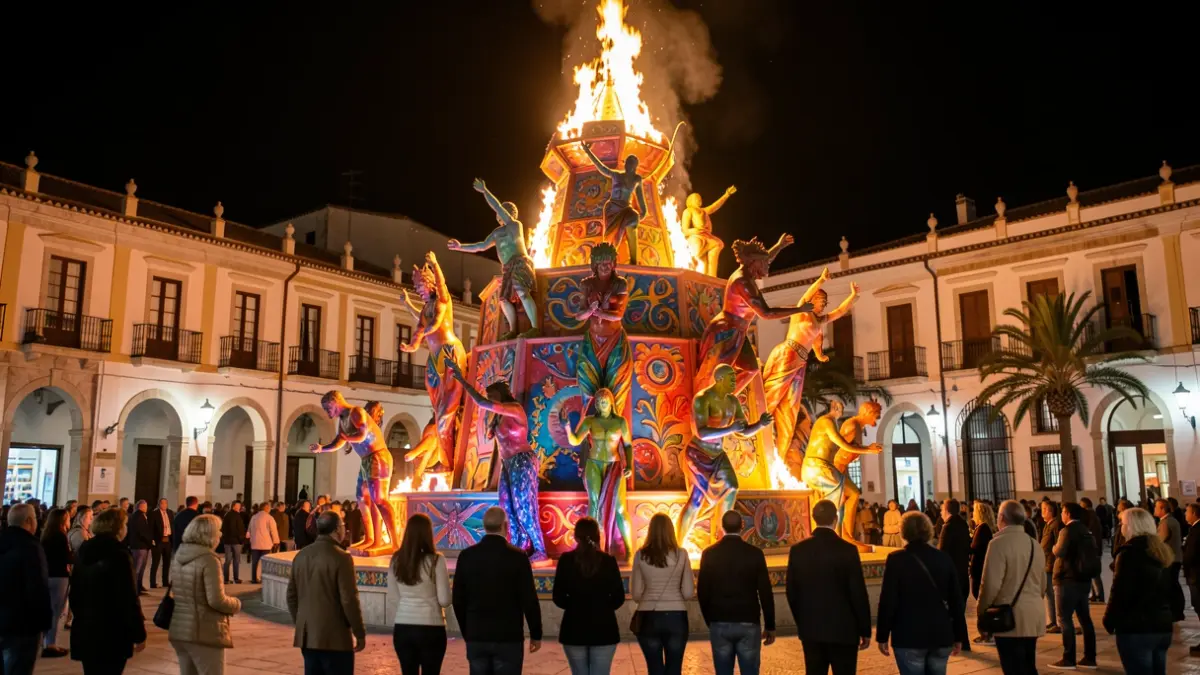
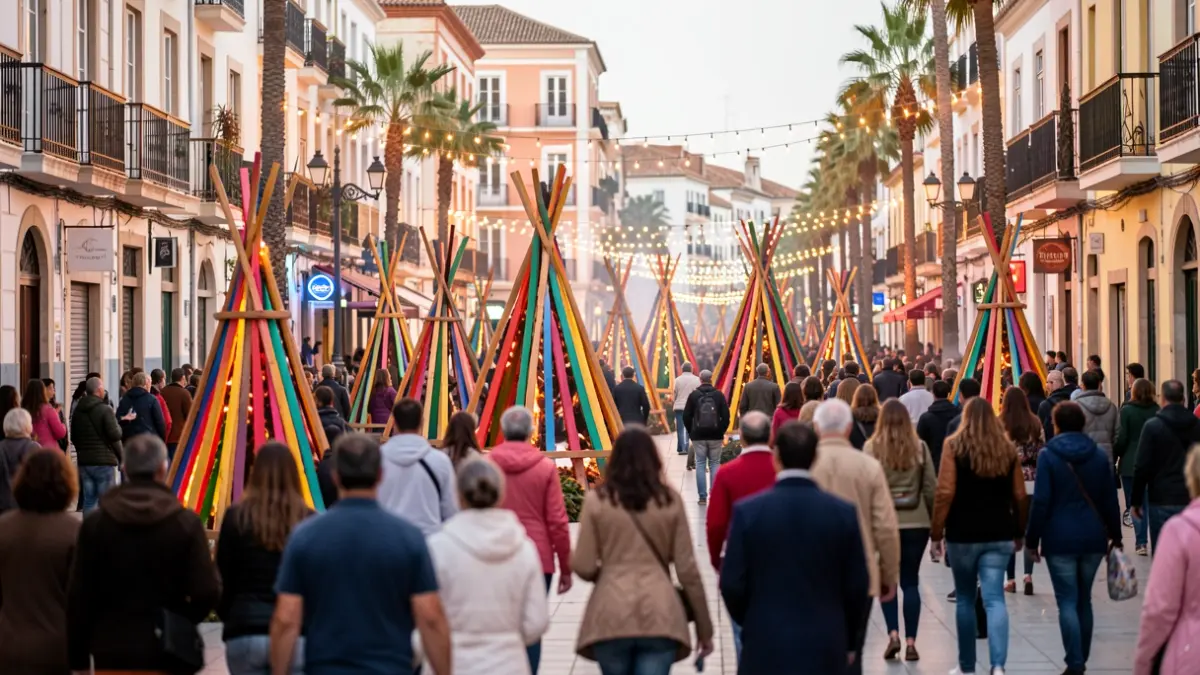
Since early morning, artists, committees, and residents have worked intensely to finalize the monuments that will star in the festivities. The city is now filled with wooden sculptures, full of color, satire, and references to current events, which are setting the visual pace for the main days.
Over a hundred hogueras, both large and children's, are spread throughout the city, from the historic center to the furthest neighborhoods. Each committee presents its interpretation of the festival, combining social criticism, cultural tributes, and costumbrista scenes.
The thematic variety is one of the main characteristics, with works telling different stories and reflecting the creativity, humor, and visual impact of the festival, while maintaining its traditional roots.
Emblematic spaces such as Luceros, the area around the City Hall, and the Central Market host some of the most anticipated hogueras, especially those in the special category, which stand out for their size, technical complexity, and artistic level.
In the neighborhoods, each hoguera becomes a meeting point and a shared pride, reinforcing the participatory nature of the festival. The 'plantà' is a process of collective effort, involving cranes, artists finalizing details, and expectant residents.
Children's hogueras offer fresh and ingenious proposals, strengthening the family character and the generational succession of the celebration.
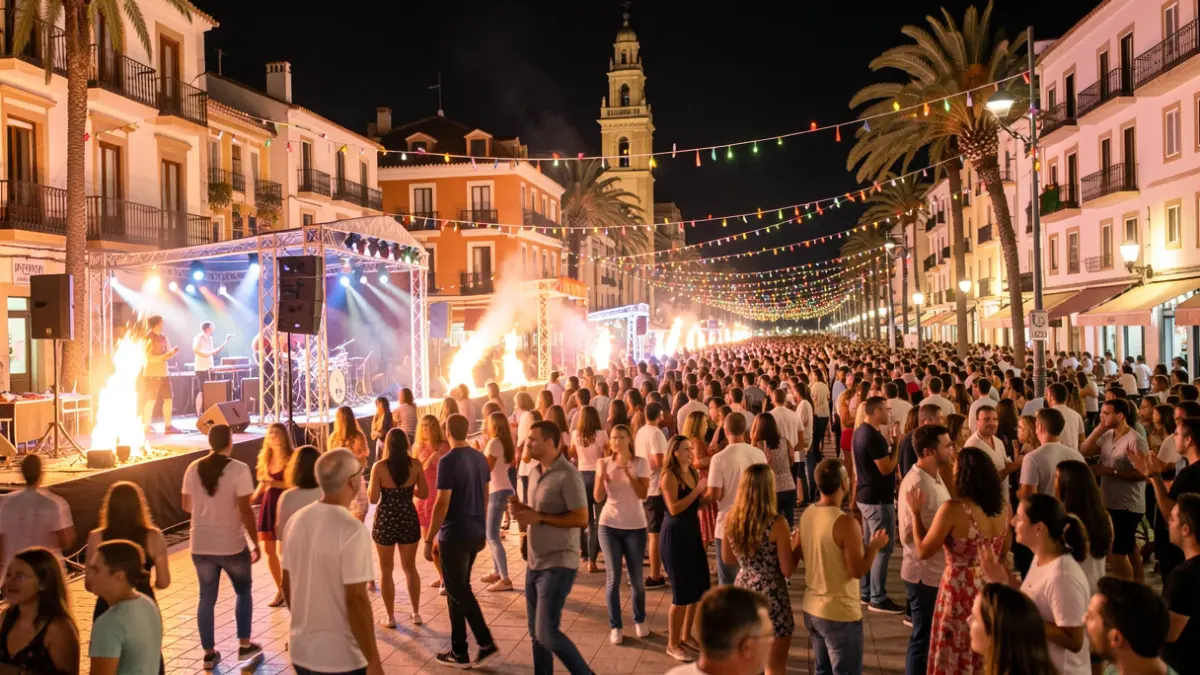
With the monuments now in place, Alicante prepares for constant activity with music, 'mascletàs', and parades, until the 'Nit de la Cremà', when fire will mark the end of these ephemeral works.