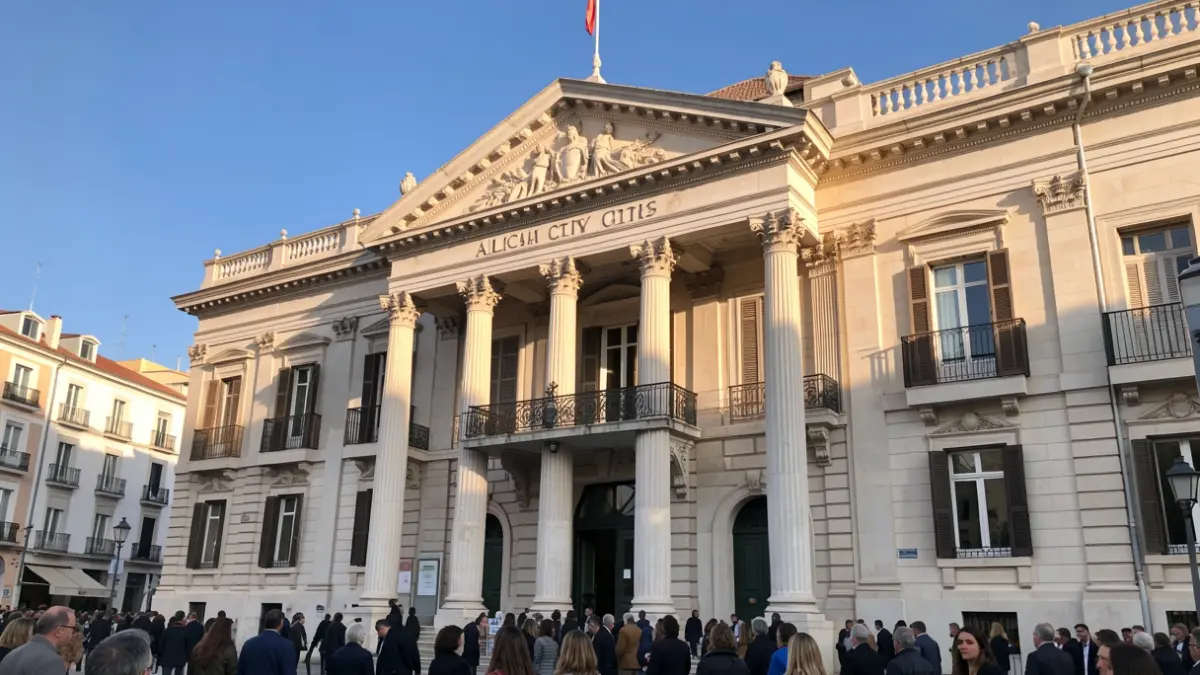
The meeting aims to address key issues such as mobility, green infrastructure, economic activity, and supramunicipal services. Representatives from Elche, Mutxamel, Sant Joan d’Alacant, El Campello, and San Vicente del Raspeig will participate, as announced by the Councilor for Urban Planning, Antonio Peral.
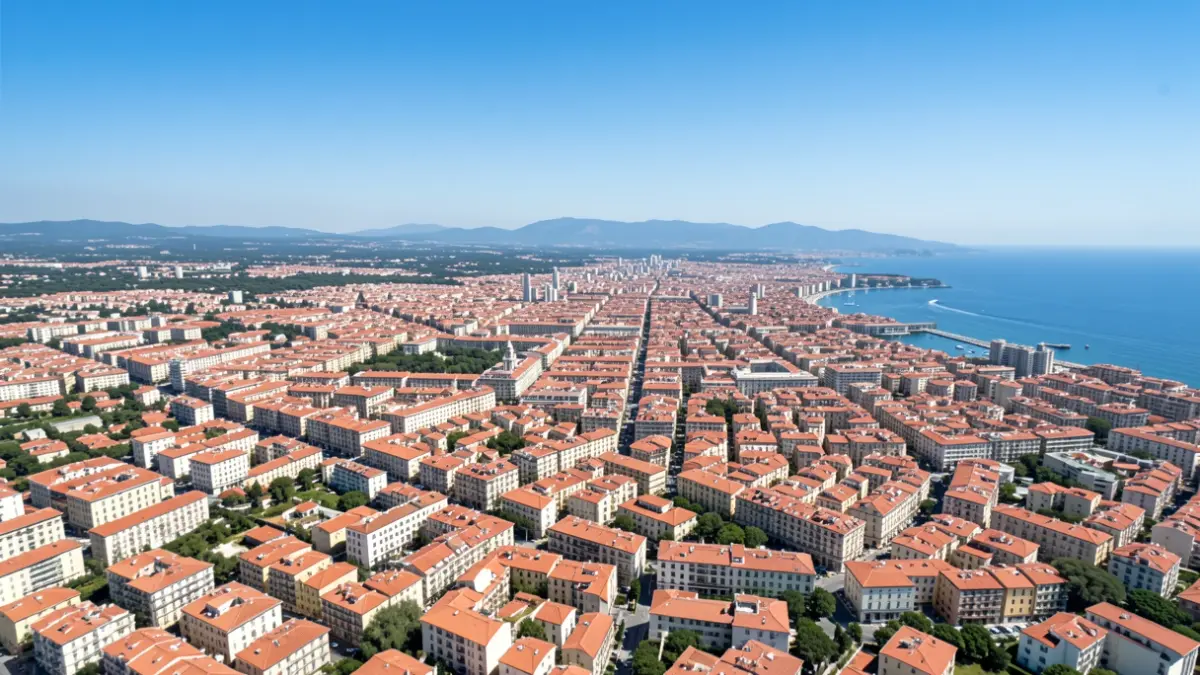
Peral emphasized that the PGE, considered the most important urban planning document in the last 39 years, views Alicante as an interconnected city within a metropolitan area, asserting its role as the metropolitan and provincial capital, an economic engine, and a hub for infrastructure and services.
The meeting will focus on proposals for metropolitan mobility, the green infrastructure network, economic activity hubs, and future shared facilities. The intention is for Alicante and surrounding municipalities to join forces for better territorial planning.
This meeting follows previous discussions held by the City Council with real estate developers, public works contractors, property managers, and neighborhood representatives to advance the new urban planning.
During the event at the Colegio de Arquitectos de Alicante, the conclusions of the PGE's participatory process were also presented. Experts have positively assessed the contributions received, highlighting proposals such as the creation of a structural green network, the green corridor, the coastal route, and the future Huerta Agricultural Park. Regarding mobility, support was given to public transport, intermodality, and pedestrian and cycling travel.
Concerning housing, the conclusions deem the forecast of 42,000 new homes appropriate and prioritize the promotion of affordable and efficient housing. In economic development, the projection of generating 4.3 million square meters of industrial land was positively received, with an emphasis on boosting sectors like new technologies and artificial intelligence.