The proposal, presented by the Popular Party and defended by councilor Ximo Catalán, focuses on the beaches of Almardà, Corinto, and Malvarrosa, which have suffered severe coastal erosion for years. The motion, unanimously approved after accepting amendments from Compromís per Sagunt and EU-Unides Podem, seeks definitive and sustainable solutions to halt sand loss and strengthen coastal protection against maritime storms.
It is requested that the project be eligible for European funding lines related to innovation and environmental sustainability, with the collaboration of Valencian public universities. Should sufficient funding not be obtained, the Sagunto City Council commits to promoting the system with municipal resources. The initiative also urges the Ministry for Ecological Transition and the Demographic Challenge (MITECO) to study and implement structural solutions such as artificial reefs or breakwaters.
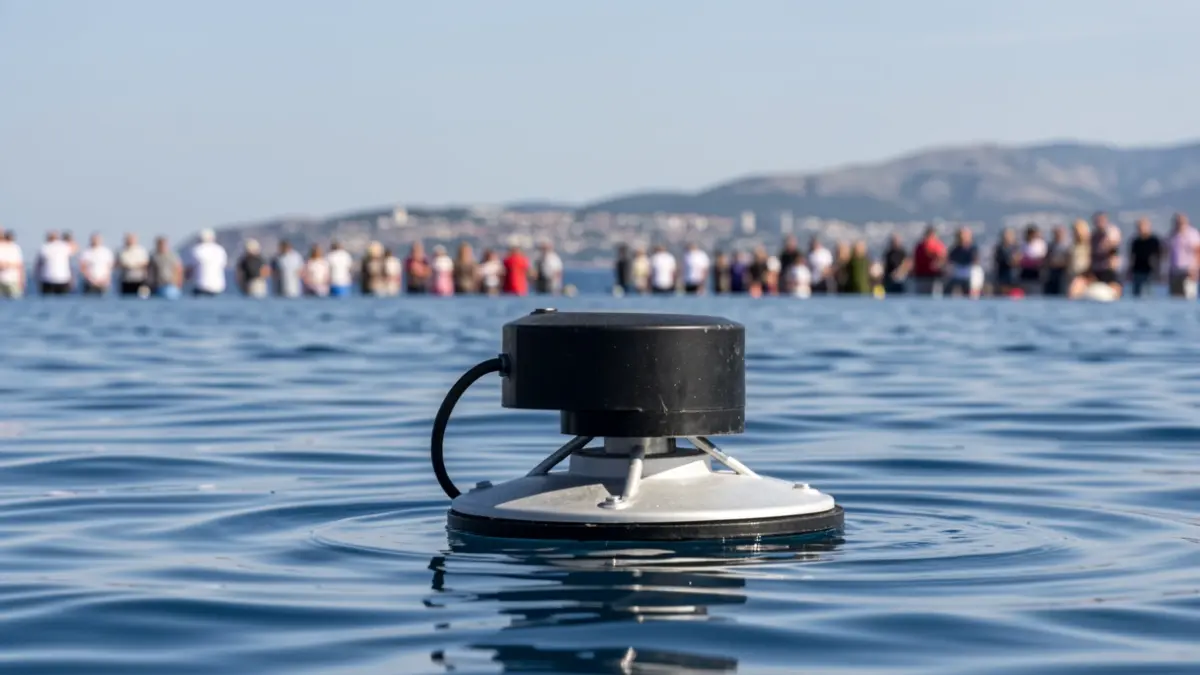
The explanatory part of the proposal highlights that, while coastal regeneration works are important, they are often one-off actions and require accompanying monitoring and analysis measures. It is recalled that the special Beaches commission already addressed last November the possibility of implementing this monitoring system using smart buoys, whose sensors would collect information on sea conditions, waves, and sediment movement.
Finally, it was agreed to forward the agreements to MITECO, the Generalitat Valenciana, the Demarcation of Coasts, and the neighborhood associations of the affected beaches, emphasizing the importance of defending initiatives that protect the coastline through institutional consensus and collaboration.