The search for a definitive location for the photovoltaic plant that will supply energy to the Torrevieja desalination plant remains open. Following the local opposition that forced the Ministry for Ecological Transition and the Demographic Challenge (MITECO) to discard the project initially planned in San Miguel de Salinas, Asaja Alicante warns that the new proposal maintains the same underlying issue: the occupation of some of the province's best agricultural lands. This was communicated last week during a meeting with the Ministry.
The president of Asaja Alicante, José Vicente Andreu, explains that the Ministry is now working on a project divided into eight sectors or "islands," concentrated in the same area and administratively distributed among four municipalities. This proposal will be submitted for public consultation after the summer.
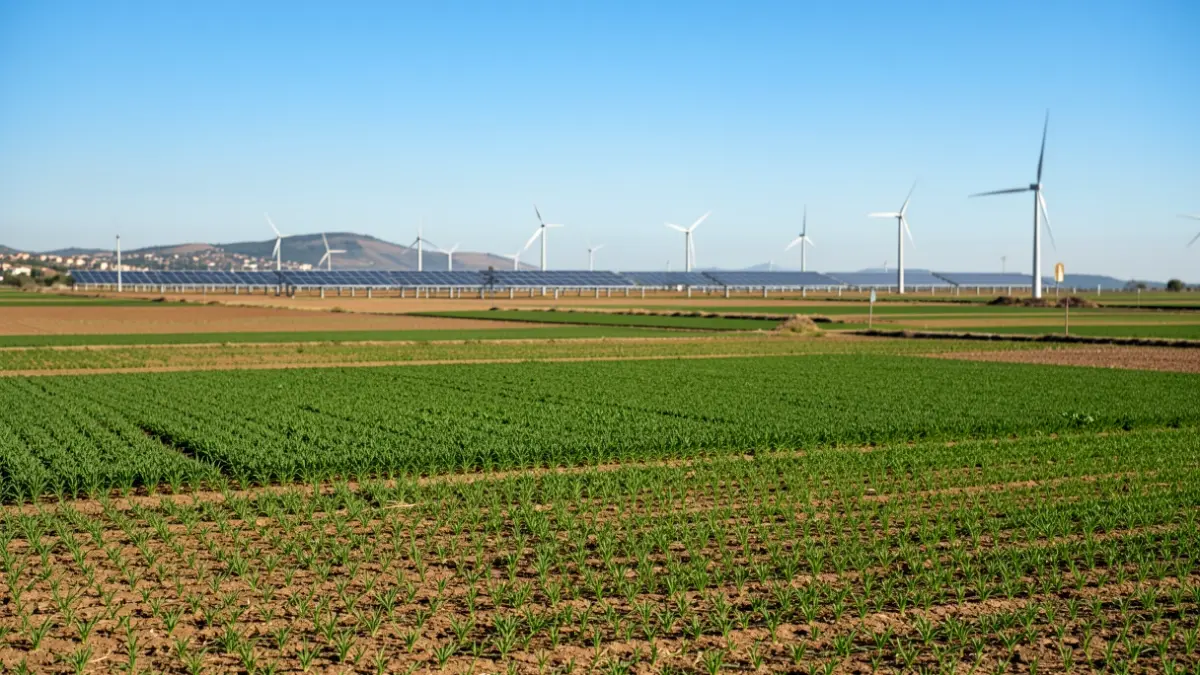
However, the agricultural organization believes the new design continues to place the infrastructure on land of high agronomic quality, due to soil characteristics, climatic conditions, and productive capacity. "That land must be protected for its value," states Andreu, insisting that the energy transition should not come at the cost of losing land particularly suitable for agriculture.
In contrast to this alternative, Asaja claims to have presented MITECO with a different proposal based on land of low agronomic value, currently abandoned, with a single boundary and reduced environmental impact. This location, according to the organization, would also be technically viable for developing the plant.
This option, however, has encountered a new obstacle. According to Andreu, the land proposed by Asaja has been included within the impact buffer zone stipulated in the Natural Resources Management Plan (PORN) for the future Sierra Escalona Natural Park, recently approved by the Generalitat. Although not part of the protected area, the document prohibits the installation of photovoltaic plants in this perimeter strip.
The president of Asaja explains that the organization has already communicated this situation to the Confederación Hidrográfica del Segura and is in talks with various administrations to find a solution. "The issue is very complicated, but we will find a consensus solution," he affirms.
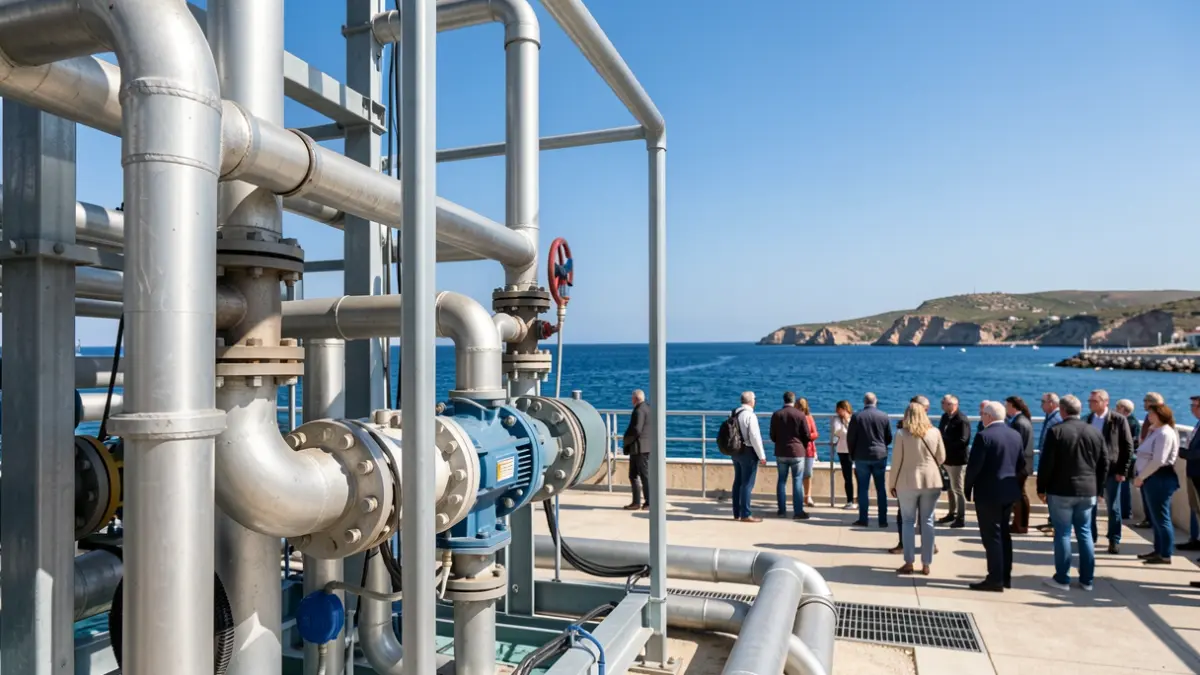
The photovoltaic plant is set to become a strategic infrastructure for the operation of the Torrevieja desalination plant, a key facility for ensuring water supply for both urban consumption and irrigation in the region. The project had already faced a setback after strong local opposition in San Miguel de Salinas, which led the Ministry to commit to finding a new location. Now, the debate centers on reconciling this energy infrastructure with the protection of agricultural land and the environmental limitations arising from the future Sierra Escalona natural park.