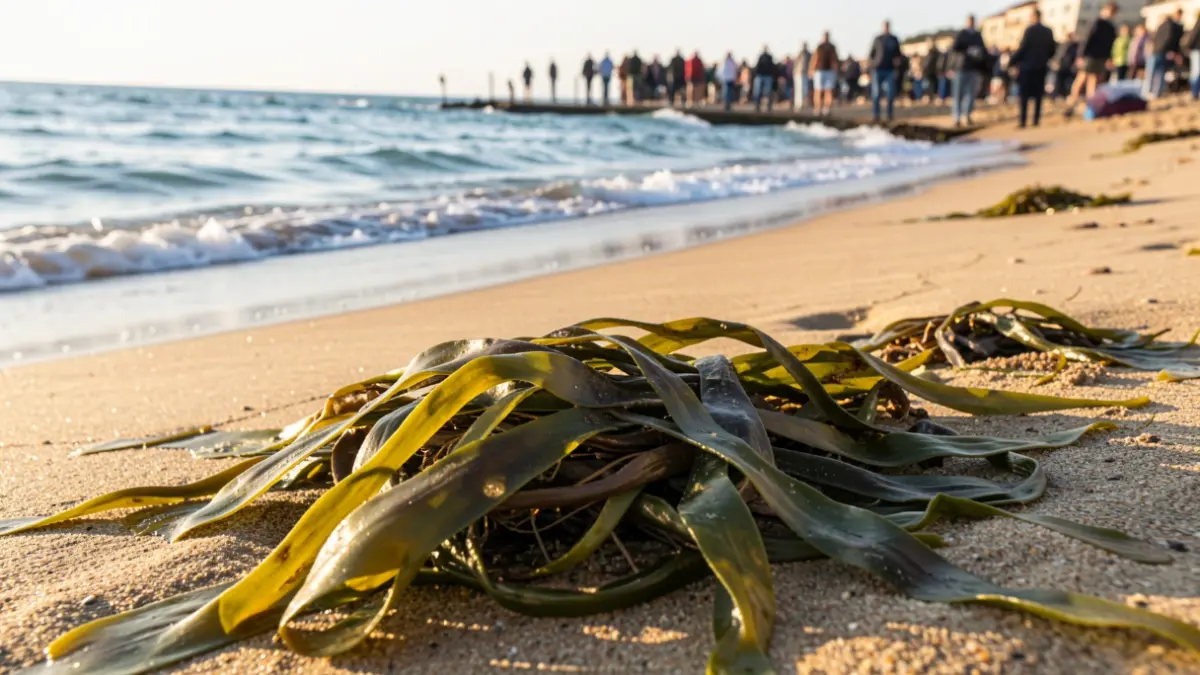
Residents and users of the beaches of Orihuela Costa have expressed concern over the piles of posidonia accumulated on the sands, leading to recurring complaints about nuisances and bad odors. In response, the City Council's Street Cleaning and Waste Management service has tendered for the management of these plant remains.
The department led by Rocío Ortuño has greenlit the contracting process, which includes the management of posidonia to a treatment plant. The base tender budget, estimated at 80,520 euros, is a maximum price based on previous years' data and is subject to the actual presence of wash-ups, a natural phenomenon caused by maritime storms.
The final contract amount and price will depend on the intensity of storms and applicable regulations, with a potential modification of up to 20% of the initial amount. Orihuela carries out this removal from Easter until October 15th, coinciding with the peak user season. The rest of the year, the remains are left on the coast, as they help reduce sand erosion and protect the coastline and dunes.
The initiative aims to maintain the beaches in optimal condition during the busiest season, ensuring environmentally friendly management. The work will be carried out on the eleven beaches and coves of the Orihuela coastline, including Punta Prima, Cala Mosca, Cala Estaca, Cala Cerrada, Cala Bosque, Cala Capitán, La Caleta, Aguamarina, La Glea, Barranco Rubio, and Mil Palmeras.
The Street Cleaning and Waste Management department requested authorization for removal to authorized drying facilities, considering the recent entry into force of Royal Decree 191/2026, which emphasizes the protection of marine seagrass meadows in the Mediterranean.
Oceanic posidonia is a fundamental ecosystem for marine biodiversity. The remains on the shoreline play a crucial ecological role: they help fix sand, stabilize dunes, and reduce erosion during months with fewer bathers. Councilor Rocío Ortuño has highlighted that the presence of posidonia is an indicator of excellent water quality and does not signify dirt or lack of maintenance.
Ortuño added that the temporary piling of posidonia in designated drying areas is a practice authorized by the Directorate General of Coasts, which minimizes sand loss during removal work and ensures proper and respectful management of the beaches.