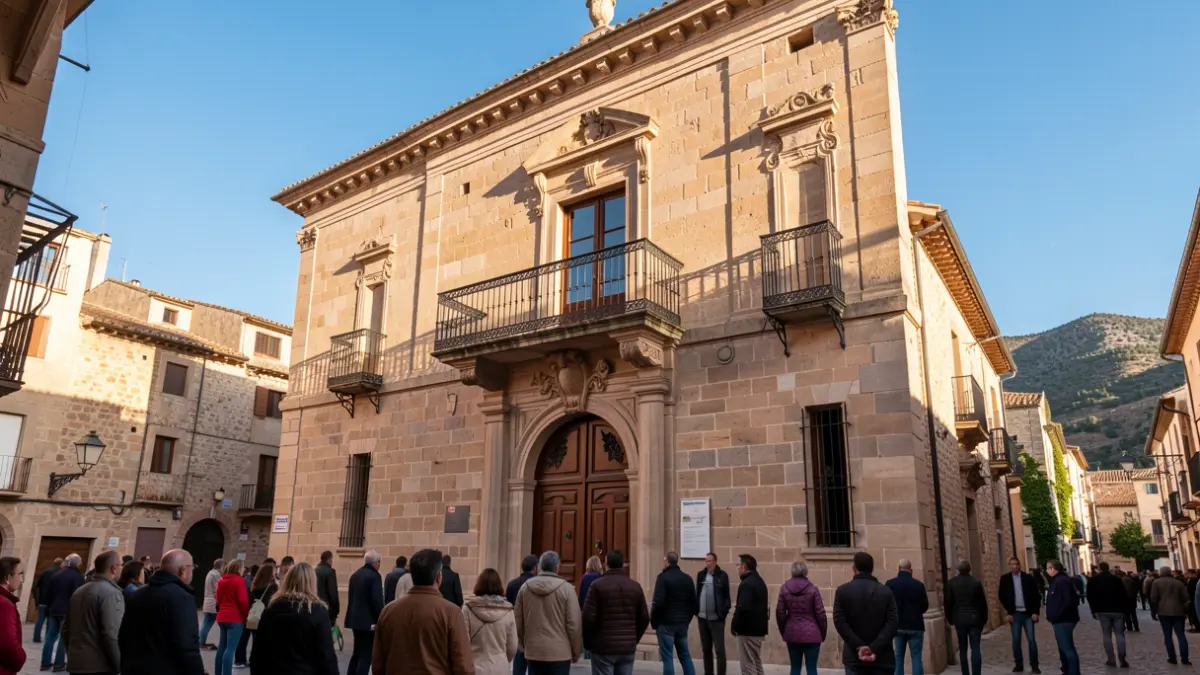
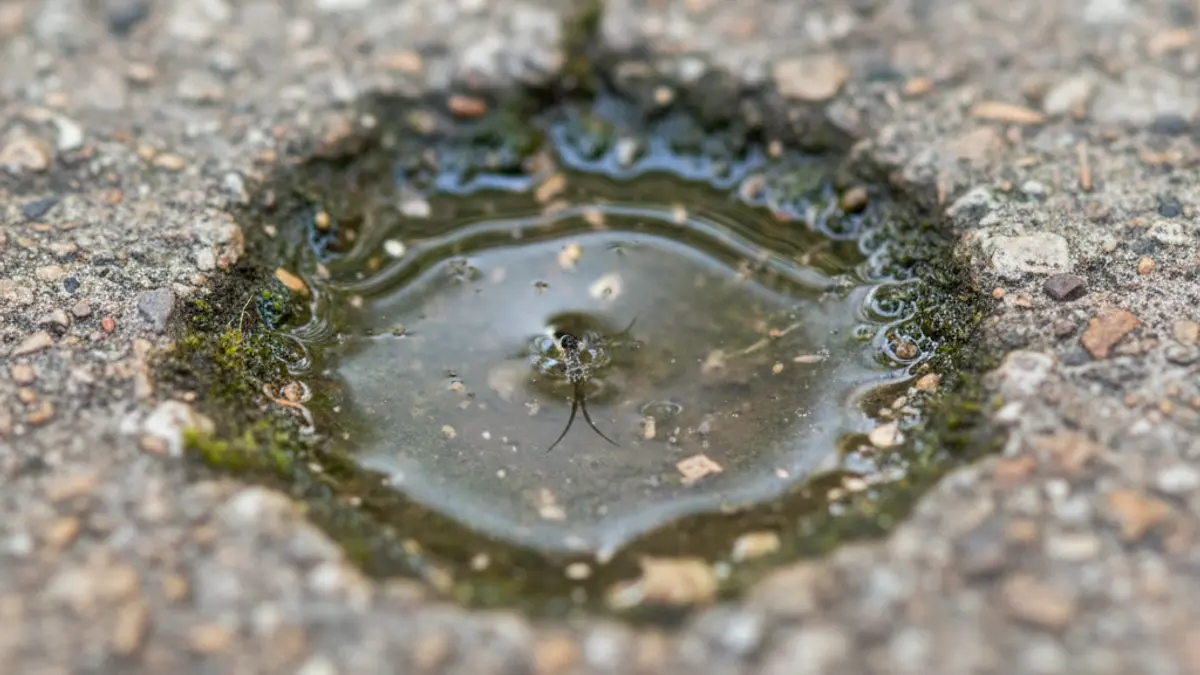
The combination of recent rainfall and the progressive increase in temperatures has created a favorable environment for mosquito larvae to hatch in all places where stagnant water is present. This moment, in mid-May, is decisive, as many species find the right conditions to complete their reproductive cycle, including humidity, puddles, water containers, irrigation ditches, and gardens.
Given this situation, local administrations have begun to mobilize. In recent weeks, several municipalities such as Sant Jordi, Utiel, Villena, Cullera, Moncofa, Mislata, Benicàssim, Manises, Orihuela, and Sagunto, among others, have activated or reinforced their actions to combat mosquito proliferation within their municipal areas.
Campaigns primarily focus on locating and treating breeding grounds before the problem escalates. The key lies in acting on larvae, as once the insect is flying, control becomes more complex, less effective, and much more noticeable to citizens. Stagnant water after rains makes these May days a decisive phase to prevent a greater mosquito presence.
The presence of accumulated water for several days is the main risk factor. Large ponds or flooded areas are not necessary for mosquitoes to reproduce. Small containers, plant pot saucers, buckets, unmaintained fountains, gutters, tires, disused swimming pools, or gaps in patios and terraces can become breeding grounds if they retain water long enough. In public spaces, treatments are usually directed at storm drains, drainage networks, parks, gardens, ravines, irrigation ditches, and peri-urban areas.
The objective of these actions is not to completely eliminate mosquitoes, but to reduce their population before an adult explosion occurs. In this phase, larvicidal treatments are especially important because they act directly on breeding foci and prevent the mosquito from completing its development. The coming weeks will be crucial, and prevention must be done now, before the problem becomes massively noticeable.
The fight against mosquitoes also has a domestic component. Administrations remind that a good part of the breeding grounds are found in private spaces, where municipal teams cannot always act. Emptying containers, renewing water in drinking troughs, checking patios, covering tanks, keeping swimming pools clean, and avoiding accumulations in pots or buckets are simple actions that can significantly reduce the presence of mosquitoes in the immediate environment.